Institute of Music Archives - Fondazione Giorgio Cini

90th anniversary of the death of Ottorino Respighi

As part of the partnership between the Istituto per la Musica and the Ottorino Respighi Festival in Bologna, aimed at promoting the composer’s work and legacy, “Lo Squero” Auditorium hosts a concert to honour the 90th anniversary of his death.

The initiative aims to pay tribute to the Bolognese composer, whose memory is preserved by the Giorgio Cini Foundation through its documentary archive, library and furnishings from his study located in the ‘I Pini’ villa in Rome.

Soprano Elena Schirru and pianist Aldo Orvieto will perform works by Ottorino Respighi, Richard Strauss and Alexander Zemlinsky.

The Respighi Bologna 2026 Festival, promoted by the Fondazione Musica Insieme, offers a riche calendar dedicated to the renowned Bolognese composer. Key dates include the launch concert on 7 June in Bologna, the concert and visit to Venice on 19 June, and the grand concert at the Teatro Auditorium Manzoni on 7 October.

Opening hours and admission
plus

Free admission until full capacity

Dimensions of Current Compositional Practice (2) Composers in Dialog with Musicologists

Theoretical reflection is a distinctive feature of 20th- and 21st-century composers. This parallel activity makes us aware of areas of thought relevant to understanding their music. Composers’ writings are full of references to the general context of music theory and to the even more general contexts of philosophy, anthropology, and cognitive sciences. Musicologists are often engaged in discovering relationships or contradictions between the verbal utterances and the compositional practice; additionally, they develop theoretical perspectives that can have repercussions in future compositions. This seminar provides an opportunity to explore, in a dialogue between composers and musicologists, four key concepts: Notation, Time, Nature, and Voice.

The seminar adopts a dialogical approach on several levels. The concepts will be addressed alternately by two composers who have been at the center of international interest for decades: Georg Friedrich Haas and Liza Lim.  They will, in turn, engage in a series of dialogues with two musicologists who, through their teaching and publications, have made a significant contribution to the understanding of 20th- and 21st-century music: Ingrid Pustijanac and Nikolaus Urbanek. A group of young composers and musicologists, selected through a call for applications, will further stimulate the discussion and help to focus on the current situation. Perspectives from the past and the present will intertwine throughout all phases of the seminar.

[accordion][/accordion]
[accordion_entry title=”26 May”]

15.00 – 18.00
Greetings – Introduction
by Gianmario Borio

Notation / Time: Composers’ lectures

[/accordion_entry]
[accordion][/accordion]

[accordion][/accordion]
[accordion_entry title=”27 May”]

9.00-13.00
Notation / Time: Statements and Inputs by musicologists, discussion

12.00-13.00
Open Rehearsal

14.30 – 16.30
Nature / Voice: Composers’ lectures

17.00-18.30
Open Rehearsal


[/accordion_entry]
[accordion][/accordion]

[accordion][/accordion]
[accordion_entry title=”28 May”]

9.00-13.00
Nature / Voice: Statements and Inputs by musicologists, closing discussion

16.00-18.00
Roundtable with Filippo Martelli, Ernesto Napolitano and Gianfranco Vinay on the topics of Vinay’s book
Armonie cosmiche/La musica delle sfere nel XX e XXI secolo.


[/accordion_entry]
[accordion][/accordion]

[accordion][/accordion]
[accordion_entry title=”28 May Concert”]

19.00
Programme

Liza Lim:
An ocean beyond earth (2016) for solo cello prepared with thread and violin, 14.5′;
Transcendental Étude (2022) for solo piano with shruti box, 9′;
Ghosts make form (2023) for cello and piano, 13′;
James Morley, cello
Alexander Waite, piano

interval


Georg Friedrich Haas:
Hochwald (2023), for singing, speaking, whispering cellist, 43′;
Valerie Fritz, cello

[/accordion_entry]
[accordion][/accordion]
Twentieth Century Music Archives: Preservation and Valorisation of the Sources

The subject of this seminar, organised in collaboration with the Doctoral Course of National Interest (DIN) Artistic Research on Musical Heritage (ARMH) and the ‘Cesare Pollini’ Conservatory of Padua, is the sources to be found in twentieth-century music archives and their significance for musicological research.

After an overview of the main European and American archives, we move on to examine the fonds held at the Fondazione’s own Institute of Music, in particular those of Giacomo Manzoni, Nino Rota and Roman Vlad. The lectures are structured on two complementary levels: on the one hand, the documentary typologies present and the criteria of ordering and description adopted in the individual fonds are examined; on the other, the relationships between theoretical reflection and compositional practice, the dynamics of the creative process and the peculiarities of musical writing in the field of film soundtracks are analysed.

Lecturers include: Gianmario Borio, Angela Carone, Marco Cosci and Francisco Rocca.

Research-Led Performance: 20th Century Italian Piano Music

With this workshop the Research-led Performance cycle resumes, a programme inaugurated in 2016 that has become one of the most popular and widely appreciated activities of the Institute of Music. Its success is confirmed by the participation of leading figures among performers of twentieth-century music. Among them is Roberto Prosseda, a pianist who has gained international recognition through his recordings of the complete piano works of Mendelssohn and Mozart. In his concert activity, his in-depth engagement with the Classical repertoire has been combined with a sustained exploration of twentieth-century Italian compositions for solo piano.

This dual perspective, in which the aesthetics of Classicism intersect with linguistic innovation, together with a strong interest in the distinctive relationship that the soloist establishes with the audience, reveals a profound affinity with the conceptual foundations of Research-led Performance, a project that brings musicological research and performance practice into dialogue.

The workshop focuses on a selection of significant twentieth-century Italian piano works, featuring music by Alfredo Casella, Goffredo Petrassi, Luigi Dallapiccola, Aldo Clementi and Niccolò Castiglioni. The programme will alternate musicological sessions devoted to the analysis of the works with practical sessions dedicated to piano performance.

The musicological sessions of the workshop and the concluding concert are also open to the public, subject to availability.

[accordion][/accordion]
[accordion_entry title=”Musicological sessions and final concert”]

TUESDAY 24 MARCH, 9–11

Gianmario Borio, University of Pavia / Fondazione Giorgio Cini
The BACH symbol in post-war Italian music and analytical observations on Quaderno Musicale di Annalibera


Susanna Pasticci, Sapienza University of Rome
Writing, gesture, performance: questions of poetics and compositional technique in the piano music of Casella and Petrassi

WEDNESDAY 25 MARCH, 11–13

Francisco Rocca, Fondazione Giorgio Cini
Tre Pezzi per pianoforte (1978) by Niccolò Castiglioni: analytical observations and sources of the compositional process


Michele Leggieri, University of Pavia
Aldo Clementi’s piano writing through the study of sketches

THURSDAY 26 MARCH, 18:30

Final concert, Auditorium ‘Lo Squero’

[/accordion_entry]
[accordion][/accordion]

Call for Application | Dimensions of Current Compositional Practice (2)

Deadline 22 March 2026


Dimensions of Current Compositional Practice (2) explores how, over the past 125 years, contemporary composition has developed a sustained and intense theoretical reflection. Through a dialogue between composers and musicologists, the project focuses on four key concepts — notation, time, nature and voice — and on their different interpretations throughout the twentieth century and into the new millennium.

The seminar is led by two internationally renowned composers, Georg Friedrich Haas and Liza Lim, alongside two prominent musicologists, Ingrid Pustijanac and Nikolaus Urbanek. It will conclude with a concert at the ‘Lo Squero’ Auditorium featuring works by Haas and Lim.

The seminar will be held in English.


The call is aimed at composers with theoretical interests and musicologists researching 20th- and 21st-century music, with particular attention to candidates in the early stages of their careers. The committee will also consider the international composition of the group and gender balance.

Six composers and six musicologists will be selected with scholarships. Applications must be sent by email to [email protected] by 22 March 2026.
For detailed requirements and selection criteria, please refer to the attached call document.

Hindsight and repositioning: composers and the challenges of the third age

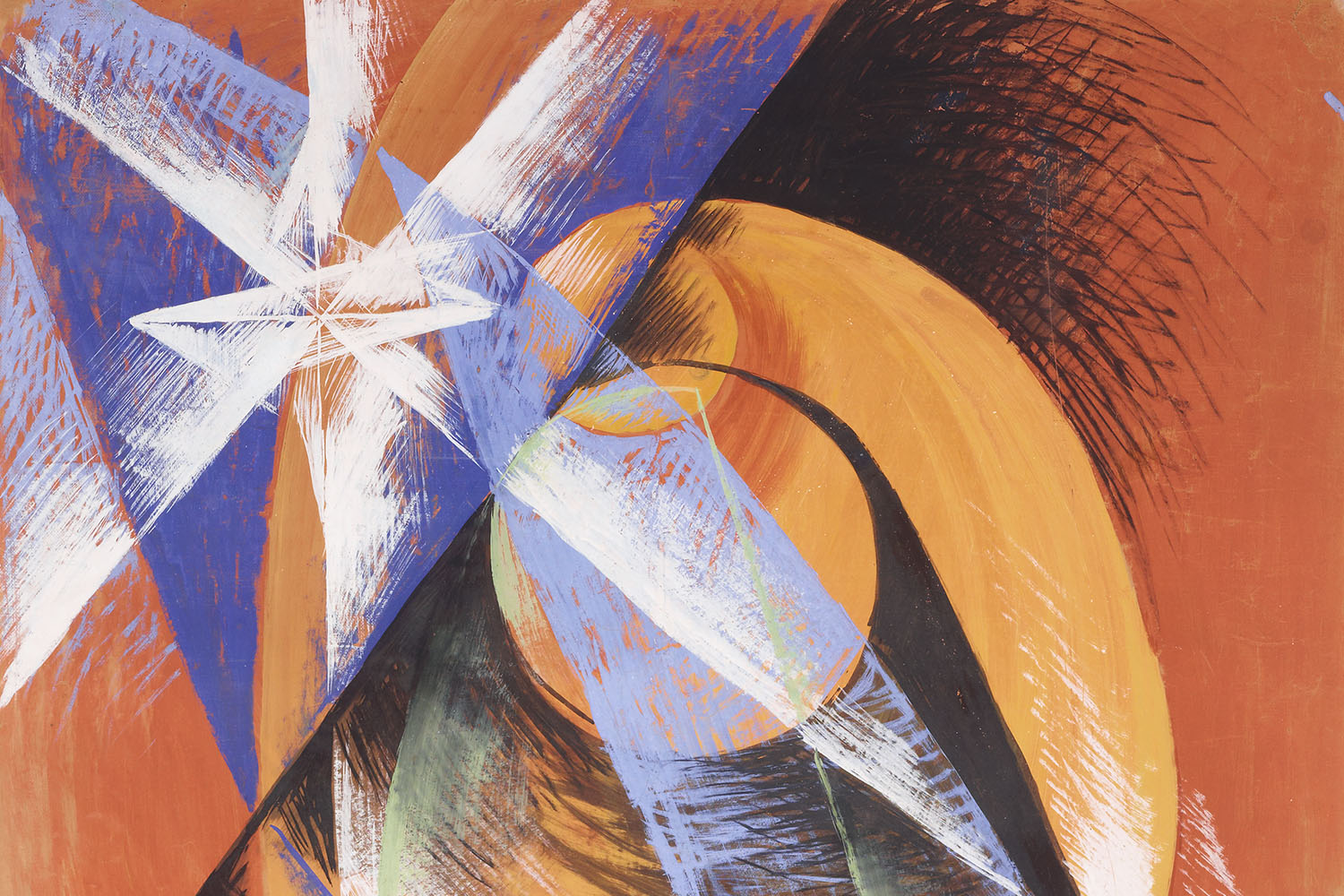
A study day devoted to the behaviour, reactions, choices and rethinking that characterised the final phase of the life and creativity of some of the most influential composers of the twentieth century: Arnold Schönberg, Igor Stravinsky, Gian Francesco Malipiero, Olivier Messiaen and Dmitri Shostakovich.

The theoretical reference is the concept of ‘late style’, which was coined by Theodor W. Adorno for Beethoven’s last works and later taken up and expanded by Edward Said in his book of the same name. The speakers aim to broaden the conceptual field traced by the two philosophers in the directions of intellectual biography and aesthetic evolution; longevity is related to the alienating perception of the new age and the response to the challenges coming from it.

The event concludes with a concert performed by the lecturers and students of the ‘Cesare Pollini’ Conservatory in Padua as part of the agreements concerning the Doctorate Course of National Interest (DIN) Artistic Research on Musical Heritage (ARMH)

programmE

[accordion][/accordion]
[accordion_entry title=”9:30 – 12:30″]

Introduzione e moderazione: Gianmario Borio

Michela Garda
(Università di Pavia)
Le stagioni della vita e la creatività musicale: ripensare il “tardo stile”

Massimiliano Locanto
(Università di Salerno)
“Pensieri di ottuagenario”: Stravinskij e le sfide della terza età

Raffaele Pozzi
(Università Roma Tre)
Stile tardo come inattualità: visione e poetica dell’ultimo Messiaen

[/accordion_entry]
[accordion][/accordion]
[accordion][/accordion]
[accordion_entry title=”15:00 – 18:00 “]

Moderazione: Michela Garda

Gianmario Borio
(Università di Pavia – Fondazione Giorgio Cini)
“Wer bin ich….?” – Autoanalisi, inquietudine, cambiamento: gli ultimi anni di Arnold Schönberg

Vincenzina Ottomano
(Università Ca’ Foscari)
“I due Šostakovič”: critica e ambiguità nelle opere vocali tarde

Francisco Rocca
(Fondazione Giorgio Cini)
“Ottuagenario intransigente”: motivi del tardo Malipiero

[/accordion_entry]
[accordion][/accordion]


«Archival Notes», No. 10

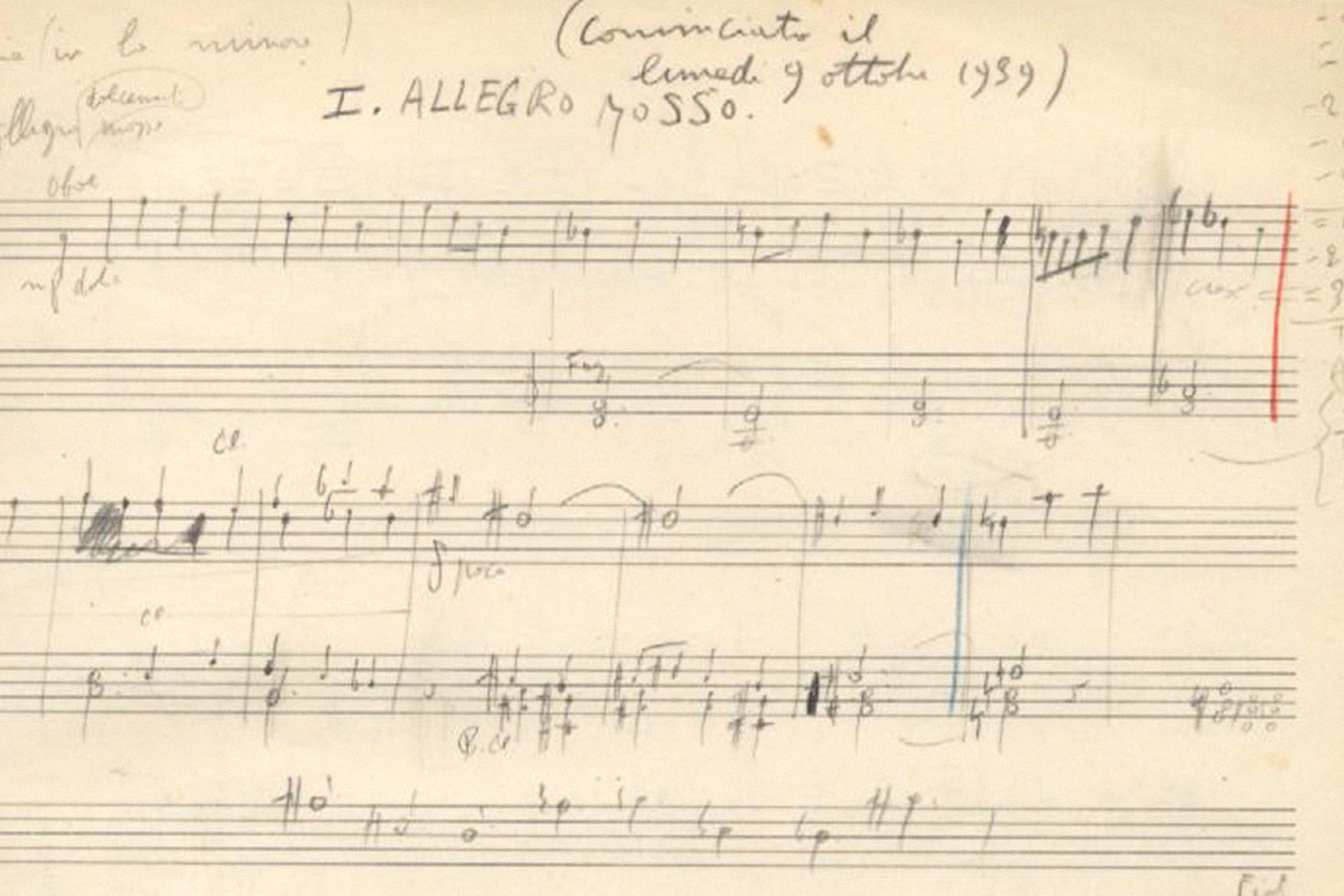
An open-access, peer-reviewed journal, curated by the Institute for Music of the Giorgio Cini Foundation. With an interdisciplinary approach, Archival Notes. Source Studies in Twentieth and Twenty-First-Century Music is dedicated to the research of musical sources from the twentieth and twenty-first centuries.


Articles

  • Giovanna CasaliGian Francesco Malipiero and the Classical Tradition: Theoretical Reflections and Compositional Instances 
  • Alberto DelamaNiccolò Castiglioni’s Last Years: Complexities and Spiritual Testament through Archival Sources
  • Sebastiano GubianCamillo Togni and Sartre’s existentialism: Some Observations on the Creative Process of Ricerca op. 36
  • Jeff Lyons, I’m Beginning to See the Leitmotif: Max Steiner’s Sketches for Are These Our Children?
  • Antonella MancaDanced Variations on Chekhov’s The Seagull: Roman Vlad and the Challenge of Contemporary Music Theatre
  • Alessandro MastropietroA Trajectory of Sound: Iter inverso (1962) by Domenico Guaccero

Studi sull’armonia post-tonale: 1910-1940

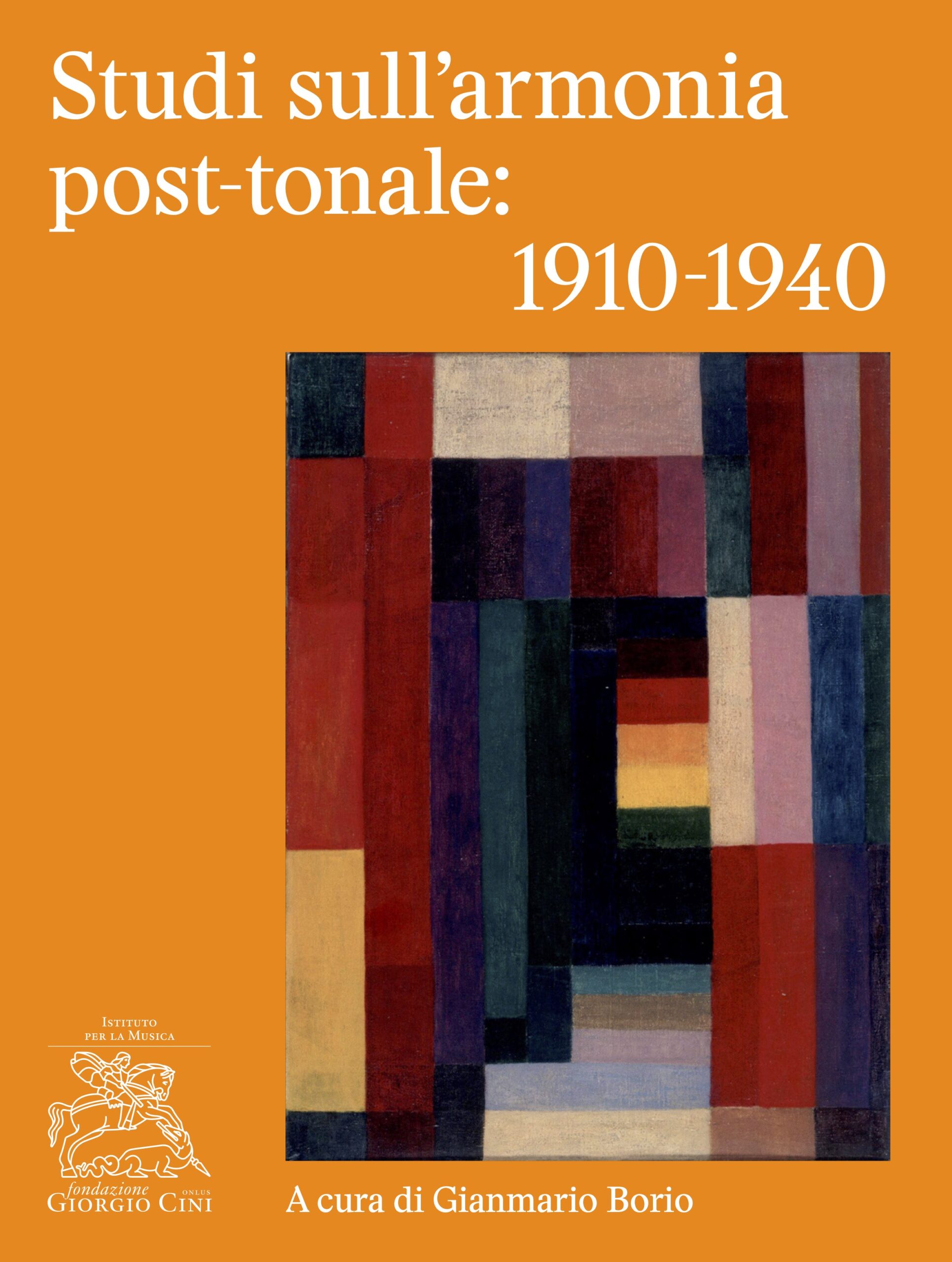
This volume, arising from the three-year work of a research group funded by the Ernst von Siemens-Musikstiftung, consists of monographic studies on the conception of harmony in the works of Béla Bartók, Claude Debussy, Paul Hindemith, Arnold Schoenberg, Aleksandr Nikolaevič Scriabin, Igor Stravinsky, Edgard Varèse and Anton Webern. The authors focus their attention on one or more works by the composer under consideration, relating harmonic processes to the theoretical issues debated at the time or emerging in the subsequent decades. The structure takes particular account of current developments in international musicology, of the gaps present in Italian scholarship, and of the needs of higher-level teaching in AFAM and university institutions. At the same time, it aims to contribute to contemporary reflection on, and methodology in, music theory. The editor’s introductory essay illustrates the historical methodology adopted in the book: the harmonic techniques of the individual composers are placed within the theoretical horizon of their time and, in certain cases, elucidated in the light of the composers’ own reflections.

Intersections Between Music and Visual Arts in Europe: 1950-2000

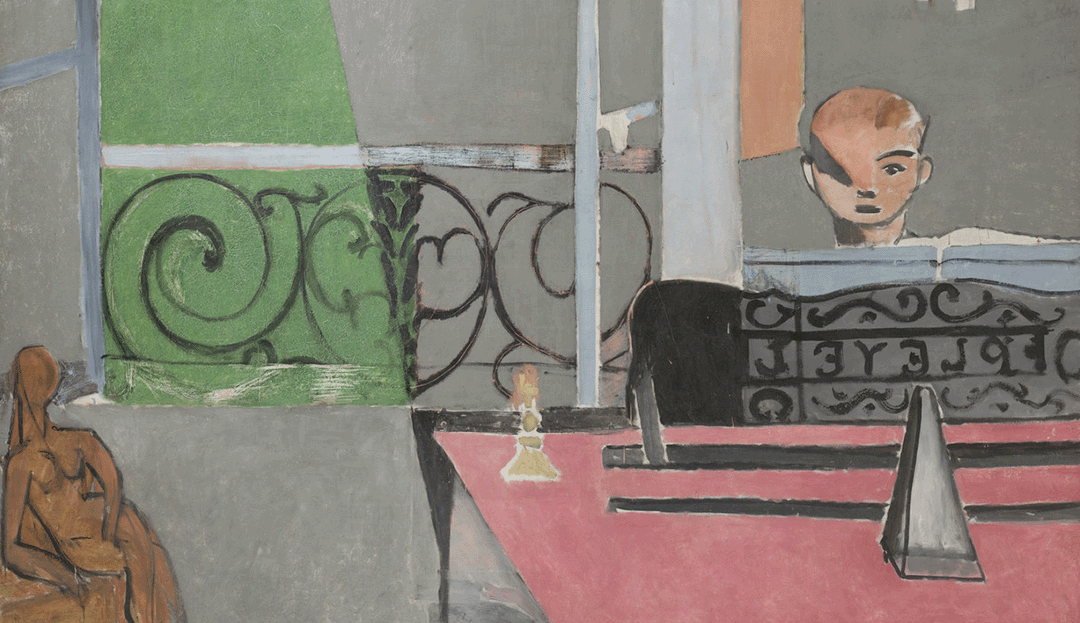
The Institute for Music celebrates its fortieth anniversary by focusing on the relationship between music and other arts, which emerges conspicuously and significantly from the sources preserved in its archives and has characterised the salient phases of its scientific activity. The conference extends the European horizon of a project dedicated to the Italian context, coordinated by Gianmario Borio and Angela Sanna in 2023. Bringing together musicologists and art historians from across Europe, the conference foregrounds original research on collaborative practices, aesthetic convergences, and the circulation of ideas among protagonists engaged in intermedia experimentation. Contributions examine both shared concerns and national particularities, offering nuanced perspectives on the historical development of cross-disciplinary practices. In addition to archival and historiographic analyses, the programme includes theoretical reflections on the aesthetic and
conceptual implications of intermedia projects. The discourse reveals a complex landscape of analogies, appropriations, hybridisations, and synergies; it shows a gradual dissolution of rigid genre boundaries, anticipating the integrative tendencies of the digital age.

[accordion][/accordion]
[accordion_entry title=”3 dicembre”]

9:30 — 13:00
Greetings and Introduction by Gianmario Borio and Charlotte De Mille

Jean-Marc Chouvel
Sorbonne University, Paris
The Eye Listens, But What Does the Ear See? Reflections on the Modalities of a Plural Art

Marina Hervás
Granada University
Beyond the Regime, Before the Canon: Music and Visual Arts in Spain

Iwona Lindstedt
Warsaw University
Zygmunt Krauze’s Unistic Music: Three Experiments in Arts Intersection 1968–1969

15 — 18
Gianfranco Vinay
Paris 8 University, Saint Denis
Boulez’s Mirrors: Compositional Correspondences Between Music and Painting

Jan Butler
Oxford Brookes University
The Roots of the Audiovisual in Popular Music: Psychedelia and the UK in the 1960s

Gianmario Borio
Pavia University / Fondazione Giorgio Cini
The Convergence of Painting and Music: Theses and Philosophical Implications

18:30
Concert mdi ensemble

[/accordion_entry]
[accordion][/accordion]
[accordion][/accordion]
[accordion_entry title=”4 dicembre”]

9:30 — 12:30
Daniela Tortora
Santa Cecila Conservatory, Rome
After Collage, Marcatrè, and Grammatica: the Experience of Achille Perilli’s Gruppo Altro, from Kombinat Joey – 1970 to Dies Irae – 1978

Manon Raoult
The Courtauld Institute of Art, London
‘Is the Painter a Musician?’ The Sonic Foundations of Jean Dubuffet’s Anti-Cultural, Materialist, and Utopian Brut Aesthetic

Jörn Peter Hiekel
Hochschule für Musik, Dresden
Institutional Activities at the Intersection of Music and Visual Arts: Observations on Impulses and Constellations in West Germany

15 — 18
Johannes Holtmon
Kode Art Museums and Composer Homes, Bergen
Harald Sæverud: Music and Architecture, Modernity and Tradition

Michele Leggieri
Pavia University
Aldo Clementi Between Sign and Sound

Charlotte De Mille
The Courtauld Institute of Art, London
Towards a ‘Philosophy for Painting’: Musico-Visual Intersections in Post-War Britain


[/accordion_entry]

[accordion][/accordion]
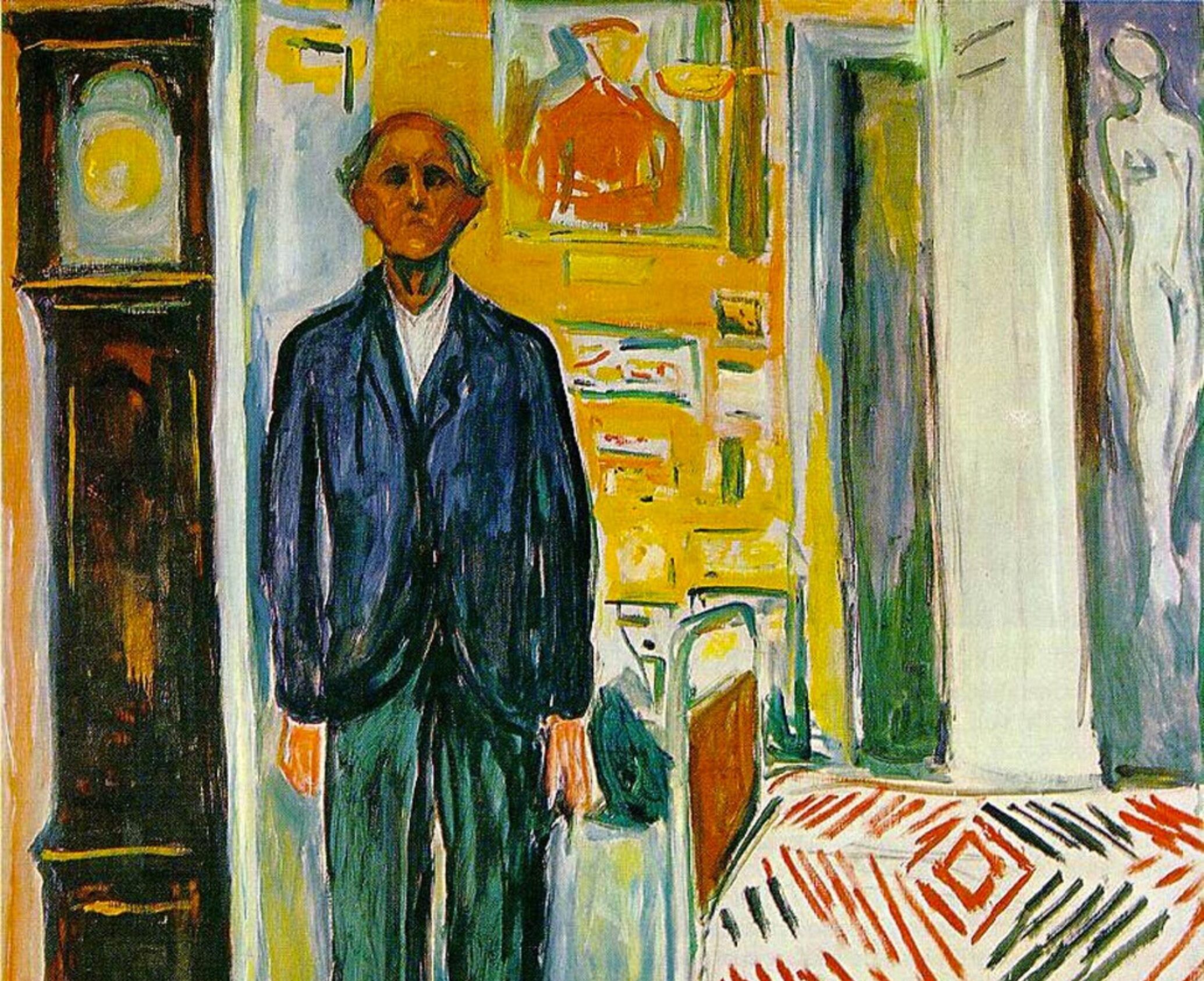
«Archival Notes», No. 9 (2024) Musical Neoclassicism in Europe

Special issue edited by Valérie Dufour and Massimiliano Locanto
→ https://onlinepublishing.cini.it/index.php/arno


• Valérie Dufour – Massimiliano Locanto, Introduction

• Aurore Flamion, Les discours sur le néoclassicisme dans la presse française

• Francesco Fontanelli, Tracing the Neoclassical Casella: Compositional Projects, Models, Ideologies

• Anna Giust, Music Expectations in Soviet Russia: Tradition, Avant-Gard and Legitimacy in Soviet Public Press

• Arnulf Christian Mattes, Tracing ‘Neoclassicism’ in Norway: A tentative Conceptual Survey

• Ruth Piquer Sanclemente, Neoclassicism, Nationalism and Modernism in the Spanish Reception of Manuel de Falla’s Works (1915-1939): Hemerography and Archival Sources

• Tadhg Sauvey, Neoclassic Objectivism Meets Catholic Ritual: The Musical Philosophy of Joseph Samson

• László Vikárius, Béla Bartók’s Turn to Neoclassicism in Light of His Social Commitment. Some Evidence from Archival Sources