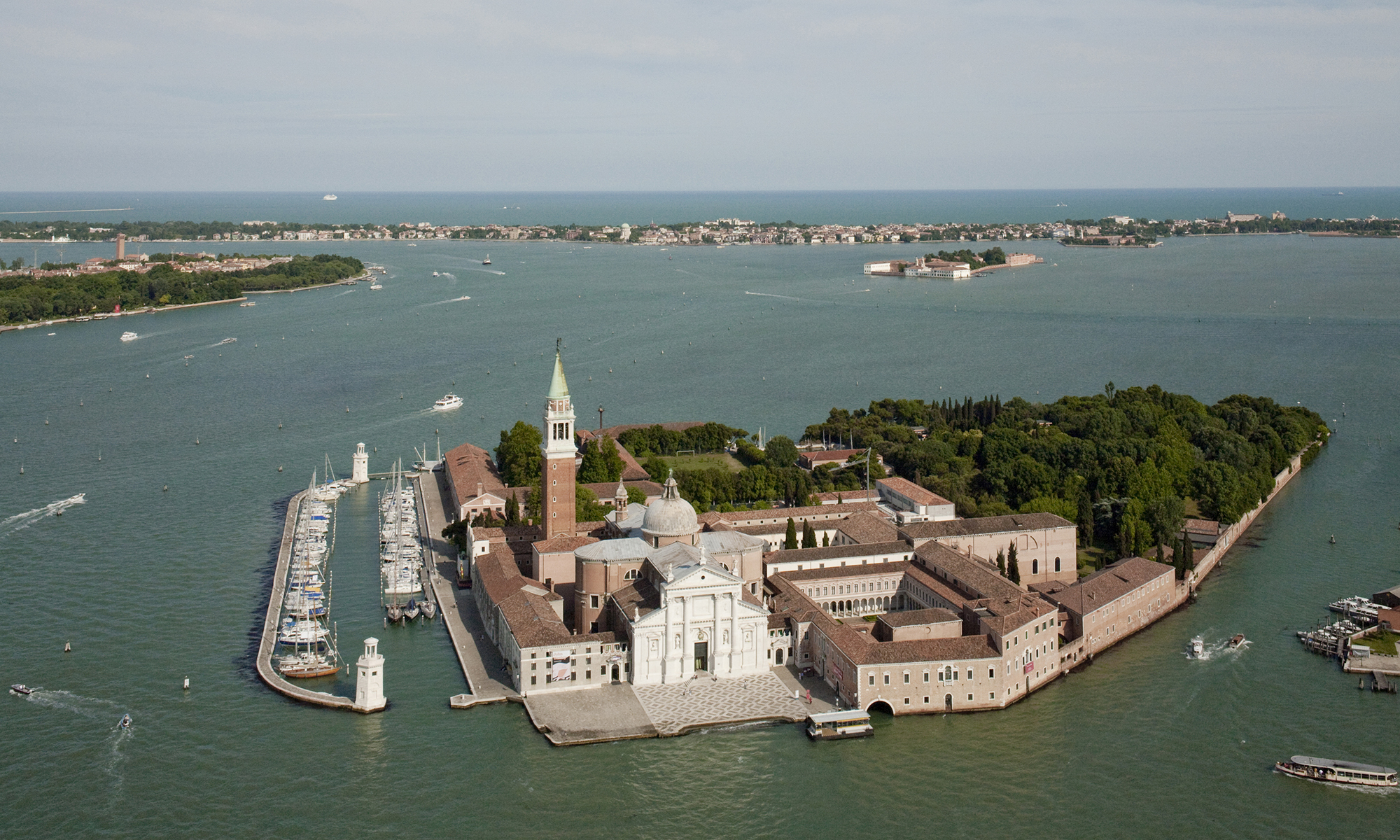
From 2005 to 2016, The Future of Science brings together scientists, Nobel laureates and researchers from around the world in Venice to discuss the major challenges facing contemporary science. Organised by the Umberto Veronesi Foundation, the Giorgio Cini Foundation and the Silvio Tronchetti Provera Foundation, the series of conferences address topics ranging from evolution to precision medicine, and from energy to viruses.
Access to food and water are included among the fundamental rights in the United Nations Universal Declaration of Human Rights. Yet over one billion people on the Earth have no access to clean water and suffer from malnutrition. Scarcity of food is the cause of the largest number of deaths in the world from illness, while the struggle to control natural sources of clean water is one of the major causes of armed conflicts. On the other hand, the wealthy nations in the world, which represent only a small part of humanity, have to address the other side of the coin of malnutrition: excess food and the rise in obesity, now a thoroughgoing epidemic with dramatic consequences for health. With the rising world population, the solution to these problems and a more balanced redistribution of food resources are not only a moral imperative but the only road to sustainable development and worldwide security. Science and technology, if used wisely, can make fundamental contributions to solving these problems and to guiding the implementation of solutions to ensure everyone has sufficient food and clean water.
These are the themes in the tenth edition of the Future of Science World Conference, promoted by the Fondazione Umberto Veronesi, the Fondazione Giorgio Cini and the Fondazione Tronchetti Provera. The speakers, experts from various different fields, will tackle a broad raft of issues: climatic change and desertification, sustainable agriculture, the exponential rise in animal-origin food consumption and related pathologies (e.g. diabetes, obesity and cardiovascular disease) food security and health, genetic engineering and plants, and various economic, ethical and political implications.
More info on: futureofscience.org
From 2005 to 2016, The Future of Science brings together scientists, Nobel laureates and researchers from around the world in Venice to discuss the major challenges facing contemporary science. Organised by the Umberto Veronesi Foundation, the Giorgio Cini Foundation and the Silvio Tronchetti Provera Foundation, the series of conferences address topics ranging from evolution to precision medicine, and from energy to viruses.
‘The Secrets of Longevity’, the ninth World Conference on the Future of Science, organised by the Umberto Veronesi Foundation, the Giorgio Cini Foundation and the Silvio Tronchetti Provera Foundation, will take place in Venice on the island of San Giorgio Maggiore from 19 to 21 September, bringing together some of the world’s leading experts to discuss the most significant issues relating to increased life expectancy.
Longevity is one of the most significant phenomena of our era, bringing about profound changes from a social, cultural and medical-scientific perspective. The roles and timelines of every stage of life are being transformed, with demographic, economic and biological consequences yet to be fully explored. Over the last forty years, the Western world has gained over ten years in average life expectancy: longevity is one of the achievements of our era that will bring about profound changes from a social, cultural and medical-scientific perspective. The roles and timelines of every stage of life are changing, with demographic, economic and biological consequences yet to be explored.
More info on:
https://www.fondazioneveronesi.it/news/nona-conferenza-mondiale-sul-futuro-della-scienza-secrets-longevity

Manuscripts and Documents from the Giorgio Cini Foundation Music Archives
Giovanni Morelli in Memoriam
The Giorgio Cini Foundation Institute of Music works to safeguard and make the best possible use of its 20th- and 21st-century archives with a special focus on those created by leading figures from the worlds of music, dance and audiovisual production. The documents on show come from eight archives, which are separate but interrelated in documentary and historical terms. Arranged according to the order of events, six showcases document stays in Venice or visits to the international Venetian scene by Alfredo Casella, Gian Francesco Malipiero, Aurel Milloss, Luigi Cortese, Gino Gorini, Alberto Bruni Tedeschi, Camillo Togni and Nino Rota. They thus range from Arnold Schönberg’s Venetian stage on his celebrated Italian tour with Pierrot Lunaire and Casella’s Concerto for String Quartet to the world première of Camillo Togni’s Gesang zur Nacht, but also include Malipiero composing for film and writing on Stravinsky. The overall effect is a polyphonic chorus of music history, albeit with some irreconcilable or not yet reconciled features between works such as Gorini’s Sonata for Piano and Cello and Cortese’s Cinque momenti musicali, or, surprisingly, Bruni Tedeschi’s Diagramma circolare and Mario Monicelli’s The Great War. The last showcase is devoted to Rota’s music for The Godfather.
Picture: Alfredo Casella, Concerto per quartetto d’archi, draft (1923-1924). Giorgio Cini Foundation onlus, Archivio Alfredo Casella, Quaderno 8 (MUS 46), detail of f. 6v.
From 2005 to 2016, The Future of Science brings together scientists, Nobel laureates and researchers from around the world in Venice to discuss the major challenges facing contemporary science. Organised by the Umberto Veronesi Foundation, the Giorgio Cini Foundation and the Silvio Tronchetti Provera Foundation, the series of conferences address topics ranging from evolution to precision medicine, and from energy to viruses.
This eighth edition addresses a topic that is increasingly attracting scientific, economic and political interest on a global scale: nanotechnologies. Together with some of the leading figures from world research, the conference will provide a picture of the nanotech society with the attendant advantages, benefits, risks, prospects and cultural change. Discussion will also focus on the strategic role of nanotechnologies in improving the quality of life and organising everyday matters, thanks to the progress in sectors such as new materials, information technology, medicine and biotechnology. The need to address problems with social implications, such as sustainability and health risks, will be illustrated along with the potential benefits for society and the environment. These and many other things will be discussed in Venice from 16 to 18 September 2012 on the island of San Giorgio Maggiore.
For details of the programme and registration, visit www.thefutureofscience.org .

