Institute of Theatre and Opera Archives - Fondazione Giorgio Cini

Paolo Poli. Sixty and More Years of Theatrical Ingenuity

The Institute for Theatre and Opera of the Fondazione Giorgio Cini, in collaboration with Ca’ Foscari University of Venice and the University of Florence, is dedicating a scholarly conference to Paolo Poli (Florence, 1929 – Rome, 2016) on the tenth anniversary of his passing.

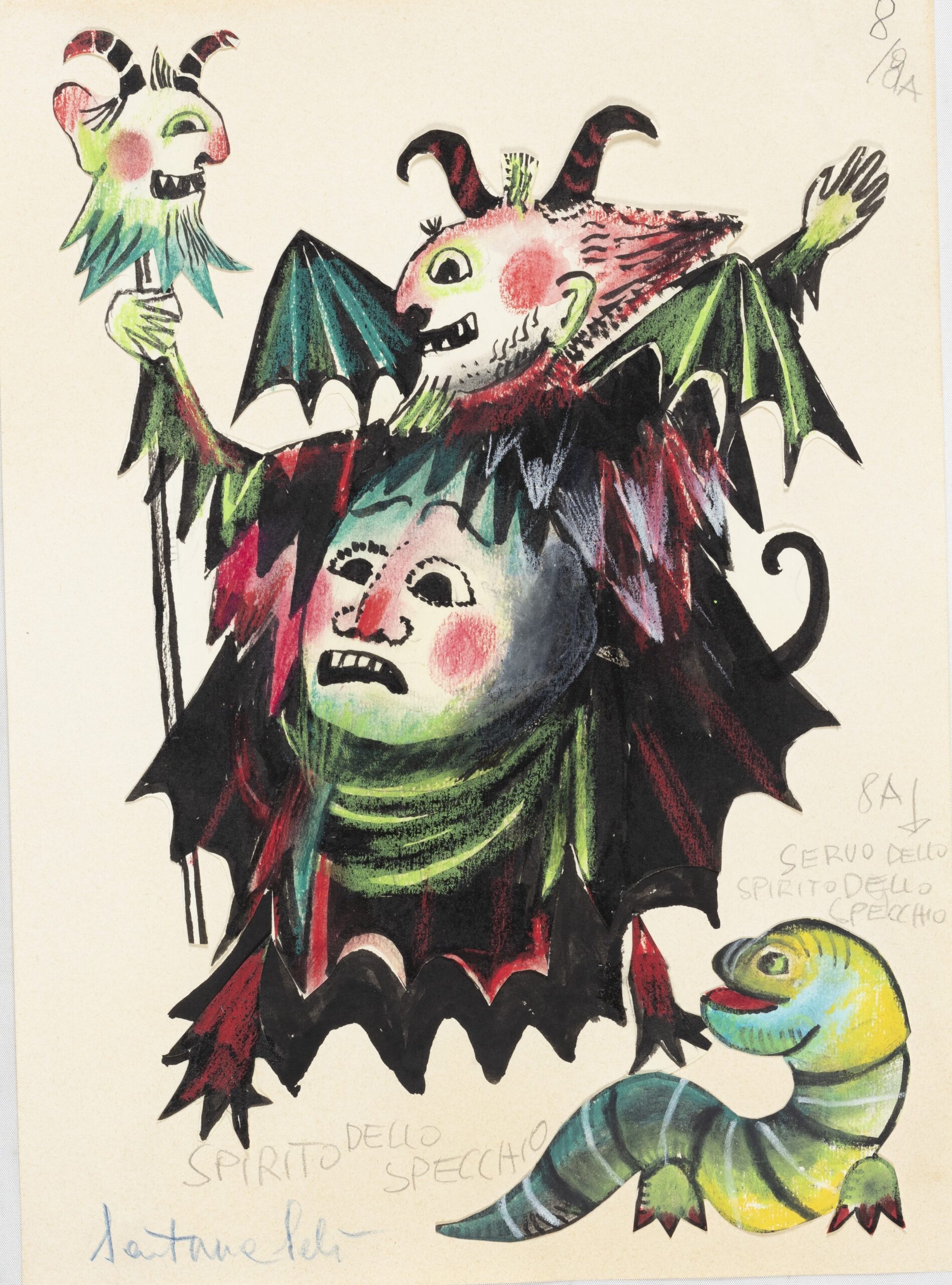
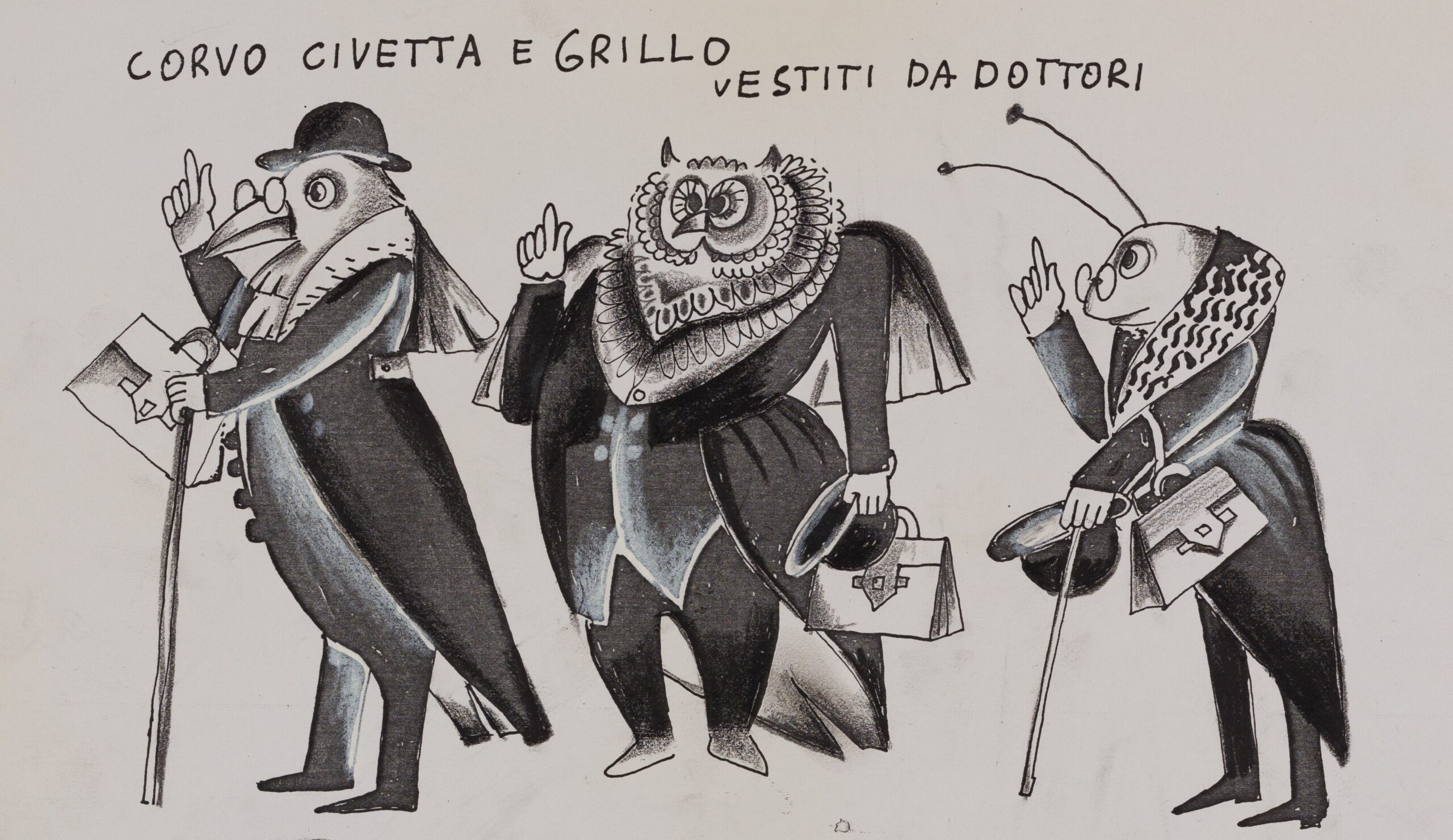
Florentine by birth, he quickly gained public attention as a prolific and original artist, building a long and brilliant career that lasted until his death in 2016 at the age of eighty-seven. The creator of a theatre that was imaginative, light yet erudite, Poli—thanks to his inexhaustible creativity—was an undisputed protagonist of the Italian stage from the second half of the twentieth century.

As the institution that preserves Paolo Poli’s personal archive, the Institute for Theatre has made available to speakers the many valuable documents it holds, in order to explore previously unexamined aspects of this remarkable chapter in Italian theatre.

The event is part of the initiatives promoted by the Fondazione Giorgio Cini to further explore the theme of Humankind and Longevity. From this perspective, Paolo Poli emerges as an extraordinary example of enduring creativity, capable of overcoming and redefining the stereotype of old age as decline.

Remembering Paolo

On May 14 at 6:00 PM, actress Lucia Poli and the actor-director Arturo Brachetti, in conversation with journalist Anna Bandettini, will meet the public to evoke the multifaceted figure of Paolo Poli. Memories, testimonies, and images from an artistic past will come alive again through the presence of the two guest artists and their stories from the stage.

PROGRAMMe
Thursday, 14 May 2026
plus

9:30

Daniele Franco, Maria Ida Biggi

Fondazione Giorgio Cini


Fulvio Cervini, Marco Mangani

Università di Firenze


Saluti istituzionali e introduzione


Marianna Zannoni

Fondazione Giorgio Cini / Università Ca’ Foscari di Venezia

Presentazione archivio Paolo Poli


10:00 — 13:00

I Sessione

Declinazioni dell’attore-autore-regista


CHAIR

Maria Ida Biggi

Fondazione Giorgio Cini / Università Ca’ Foscari di Venezia


Giulia Bravi

Università di Firenze

Albori teatrali: Paolo Poli 

nella Firenze del dopoguerra 


Livia Cavaglieri, Donatella Orecchia

Università di Genova, Università Tor Vergata di Roma

Paolo Poli alla Borsa d’Arlecchino 


Edoardo Camilletti

Università Roma Tre

“Caro Lele”. Il Faust mai realizzato da un carteggio fra Paolo Poli ed Emanuele Luzzati (1964-1965)


Armando Petrini

Università di Torino

Paolo Poli e la ‘linea bis’ del teatro italiano


Paologiovanni Maione

Università della Campania

Le ‘stranezze’ di Satie per ‘l’inquieto’ viaggio di Poli


14:30 — 17:00

II Sessione

Paolo Poli, la censura e la critica sociale


CHAIR

Armando Petrini

Università di Torino


Franco Perrelli

Università di Bari

Paolo Poli: la censura della farfalla


Antonio Audino

Rai Radio Tre

Un Babau per la televisione italiana


Marianna Zannoni

Fondazione Giorgio Cini / Università Ca’ Foscari di Venezia

“C’era una volta il fascismo…”. L’uomo nero di Paolo Poli


Mariagabriella Cambiaghi

Università di Milano

Rosmunda di Alfieri: una ‘rivisitazione’ tra tragico e melodramma


18:00 — 19:00

Lucia Poli e Arturo Brachetti in dialogo con Anna Bandettini

Ricordando Paolo


Friday, 15 May 2026
plus

9:30 — 13:00

III Sessione

Fonti della drammaturgia poliana


CHAIR

Franco Perrelli

Università di Bari


Teresa Megale

Università di Firenze

Scritti da Paolo, recitati, cantati e danzati da Poli: invenzioni, affabulazioni, trasformismi del geniale fiorentino 


Giuseppe Crimi

Università Roma Tre

Le voci della letteratura dietro la voce di Paolo Poli


Gabriele Frasca

Scuola Superiore Meridionale di Napoli

L’arte di sorridere versi (e d’irridere in prosa)


Eva Marinai

Università di Pisa

Paolo Poli cantastorie. Il Pinocchio delle Fiabe sonore (1966)


Matteo Tamborrino

Università di Torino

Racconti di fate chiamate Paolo Poli


14:30 — 17:30

IV Sessione

Tempo della vita, tempo del teatro


CHAIR

Teresa Megale

Università di Firenze


Serena Facci

Università Tor Vergata di Roma

“La letteratura delle canzonette”: il flusso narrativo di Paolo Poli dal parlato al cantato


Antonia Liberto

Università di Firenze

Paolo Poli o la misura dell’irriverenza. Sei brillanti. Giornaliste Novecento (2006)


Francesco Cotticelli

Università Federico II di Napoli

Nei primi anni Duemila: Paolo Poli e la solitudine del genio


Maria Ida Biggi

Fondazione Giorgio Cini / Università Ca’ Foscari di Venezia

Quant’è bella la vecchiezza, Il mare e Aquiloni
 

Opera in musica tra intertestualità e intermedialità. In ricordo di Michele Girardi

The conference is split into four sections. The first section aims to explore the intertextual dynamics that arise between the written source and the musical text, examining how the process of transposition and rewriting influences the dramatic and musically construction. The concept of intertextuality is interpreted here in a broad sense, as a critical tool capable of highlighting strategies of assimilation, rewriting and semantic amplification.

The second session is focused on the role of references and stylistic cues, elements that constitute a key semantic repertory in the construction of dramatic arcs and the connotations evoked by the music.

The third session explores the visual aspect, understood as a constitutive dimension of the opera, and stage direction as a practice of interpretation and actualisation of meanings. These two acts of mediation between musical dramaturgy and stage performance are analysed here in relation to the operatic texts, considered as generative matrices of the stage design. The focus is on the ways in which the score and the libretto guide, inspire or are reinterpreted in the visual dimensions, forming a dynamic nexus between musical composition and performance.

Finally, the fourth session explores the relationship between different media in the processes of opera’s creation, dissemination and transformation. The focus is on the ways in which opera interacts with other media – radio, cinema, television and the internet – generating new performance spaces and hybrid forms of representation. From this perspective, remediation becomes not only a technical process, but also an aesthetic and dramaturgical one, capable of redefining the experience of the opera event.

Scientific Committee: Maria Ida Biggi, Gianmario Borio, Giordano Ferrari, Vincenzina C. Ottomano, Emilio Sala, Luca Zoppelli.

PROGRAM

[accordion][/accordion]
[accordion_entry title=”28 April | Intertestualità”]

9:30 AM

Maria Ida Biggi, Gianmario Borio
Introduction


10.00 AM — 1.00 PM

1. Sessione, Dalla letteratura all’opera in musica: estensione o trasformazione?


Introduction e moderator: Luca Zoppelli (Università di Friburgo)

Gabriella Olivero
(Università di Torino)
Figure da paravento: da Iris a Cio-cio-san


Emanuele D’Angelo
(Accademia di Belle Arti di Bari)
Costruire libretti tra macro e micro intertestualità. Casi ottocenteschi

Francesco Fontanelli
(Università eCampus (Novedrate)
“Una tragedia parigina”: riscritture del fatalismo nel Tabarro di Puccini

Discussant: Fabrizio Della Seta
(Università di Pavia)

 –

LUNCH BREAK

 –

3.00 PM — 6.00 PM

2. Sessione, Citazioni, evocazioni e allusioni musicali come fattori della drammaturgia


Introduction e moderator: Giordano Ferrari (Université Paris 8)


Anselm Gerhard
(Università di Berna)
Metro musicale e gradiente drammatico. Convergenze e divergenze tra Verdi e Puccini

Federico Fornoni
(Conservatorio di Novara / Università di Bergamo)
Nedda: una Carmen in miniatura

Federica Marsico
(Università degli studi di Teramo)
Declinazioni dell’intertestualità nel teatro di Bussotti

Discussant: Paolo Fabbri
(Università di Ferrara)


[/accordion_entry]
[accordion][/accordion]
[accordion][/accordion]
[accordion_entry title=”29 April | Intermedialità”]

10:00 AM — 1.00 PM

3.Sessione, Mise en scène, regia e scenografia come dimensioni implicite o esplicite della partitura


Introduction e moderator: Emilio Sala (Università di Milano)

Gerardo Guccini
(Università di Bologna)
Con l’occhio di Puccini e l’orecchio di Carré: Girardi legge la mise en scène della Madama Butterfly


Clemens Risi
(Friedrich-Alexander-Universität Erlangen-Nürnberg)
“La Tosca in teatro”: Puccini e l’arte del performativo


Ruben Vernazza
(Università di Palermo)
Ridere di Verdi: L’enfant trouvère di Offenbach (1857)


Discussant: Alessandro Roccatagliati
(Università di Ferrara)

LUNCH BREAK

3.00 PM — 6.00 PM

4. Sessione, Dialogo tra media: dall’atto compositivo alla rimediazione


Introduction e moderator: Vincenzina Ottomano (Università Ca’ Foscari)

Chiara Casarin
(Università Ca’ Foscari)
La rimediazione di un’opera “fantasma”: la scena del teatro nel Marchese del Grillo di Mario Monicelli

Matteo Giuggioli
(Università Roma Tre)
L’opera ‘in film’ tra ipermediazione e trasparenza

Daniele Palma
(Università di Firenze)

Discussant: Serena Facci (Università di Roma Tor Vergata)

[/accordion_entry]

[accordion][/accordion]

[accordion][/accordion]
[accordion_entry title=”29 April 06:30 PM | Concert at Auditorium “Lo Squero” “]

Program

Concerto In collaborazione con il Conservatorio “Cesare Pollini”, Padova


Ottorino Respighi (1879 – 1936)
Sonata in si minore P 110 (1917) per violino e pianoforte
I. Moderato
II. Andante espressivo
III. Allegro moderato ma energico (Passacaglia)
Giacomo Puccini (1858 – 1924)
Crisantemi, Elegia SC65 (1890) per quartetto d’archi
Andante mesto
Sergej Prokofiev (1891 – 1953)
Sonata op. 119 (1949) per violoncello e pianoforte
I. Andante grave
II. Moderato
III. Allegro, ma non troppo
Sergej Prokofiev
Ouverture su temi ebraici op. 34 (1919) per clarinetto, pianoforte e quartetto d’archi

Miriam Dal Don, violino
Pietro Bosna, violoncello
Luca Lucchetta, clarinetto
Aldo Orvieto, pianoforte
Quartetto d’archi degli studenti del Conservatorio “Cesare Pollini” di Padova
Federica Cassia e Chiara Bosna, violini

Giulia Pasquali, viola
Davide Zuin, violoncello

[/accordion_entry]

[accordion][/accordion]

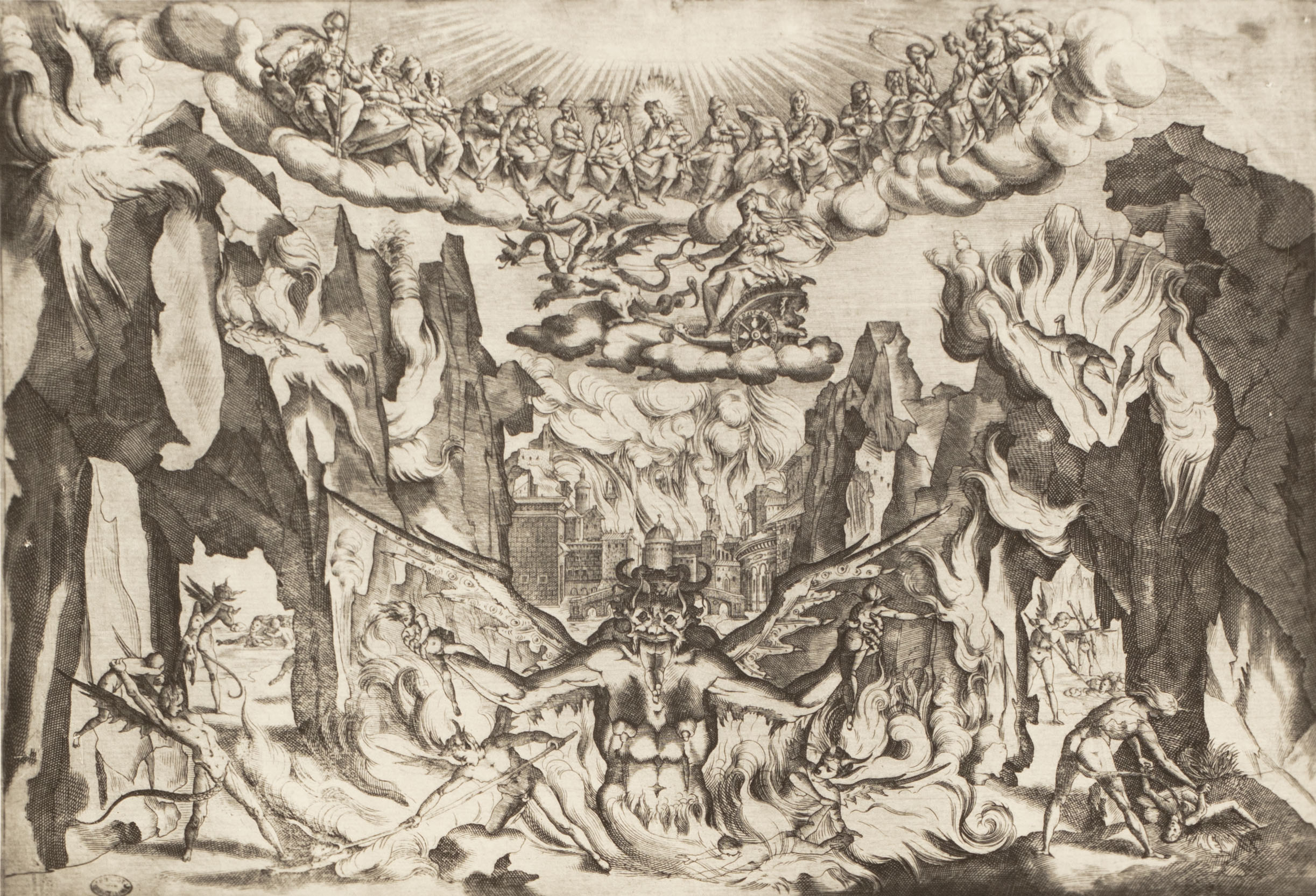
Singing in the fire with masks

The seminar, the third and final event in a project launched in 2024, will provide both theoretical and practical instruction on the use of masks in theatre, with particular reference to characters and settings associated with fire.

As in the previous edition, and in line with its vocation to disseminate and teach disciplines related to the world of entertainment, the Institute for Theatre and Opera is making its theatre archives and expertise available to hold lessons and engage in dialogue with guests at the venue.

The seminar, organised with the Théâtre Performance et Societé centre of the Université Paris 8 and the École Université de Recherche ArTeC – Nanterre, and is reserved for students selected by the two French universities.


Theatre, Democracy and Pandemics

The meeting aims to investigate the role of theatre as the cultural legacy of democracy, starting with examples of contemporary staging of dramat-ic texts that focus on the great pandemics and epidemics of history. A theoretical approach to the theme will be followed by the testimonies of scholars and artists, looking at the most important contemporary plays dedicated to these themes, including Bertolt Brecht’s Life of Galileo, staged by Giorgio Strehler in the 1960s, and The Plague by Albert Camus, staged by Claudio Longhi for the Teatro Stabile in Turin and by Serena Sinigaglia for the Stabile in Bolzano in the 2000s.

Program

[accordion][/accordion]
[accordion_entry title=”9:30″]

Maria Ida Biggi
Introduction

Piermario Vescovo
La peste, il teatro

Oliviero Ponte di Pino
A teatro oltre la peste

Fabrizio Panozzo
Popolo che subisce / popolo che decide

COFFEE BREAK

Matteo Paoletti
Un inaspettato salvavita? Legislazione d’emergenza e finanziamento pubblico

Alessandra Carbonaro
Lavoro e previdenza nello spettacolo dal vivo: quali scenari nel contesto post pandemico

Mimma Gallina
Pandemia e sistema teatrale: un’occasione mancata?

LUNCH BREAK

[/accordion_entry]
[accordion][/accordion]
[accordion][/accordion]
[accordion_entry title=”14:30″]

Paola Bigatto
Didattica teatrale e pandemia: “l’eredità della corona”

Serena Sinigaglia
“La peste” di Camus, una specie di speranza
Projections of some framents from the play produced by da TSV – Teatro Stabile del Veneto, Teatro Stabile di Bolzano e Centro d’Arte Contemporanea Teatro Carcano, 2021/2022 season

COFFEE BREAK

[/accordion_entry]

[accordion][/accordion]

[accordion][/accordion]
[accordion_entry title=”Staged reading 16:30 “]

Paola Bigatto e Massimiliano Speziani
Parole per la peste. Letture in tempo di pandemia

[/accordion_entry]
[accordion][/accordion]


Giacomo Casanova and the theatre

The study day intends to investigate the theatre scene at the time of Casano va and delve into the echoes of Casanova in twentieth-century Italian thea-tre production, in an attempt to understand by whom and how the myth of Casanova is recounted on Italian stages in contemporary times. Organised in collaboration with the Ca’ Foscari University of Venice and the Sorbonne in Paris, scholars from leading European universities will take part.

PROGRAMME

[accordion][/accordion]
[accordion_entry title=”19 November| 9:30am]

9:30

[accordion][/accordion]

[accordion][/accordion]
[accordion_entry title=”19 November| 9:30am”]

Maria Ida Biggi
Fondazione Giorgio Cini
Università Ca’ Foscari di Venezia
Introduzione

Piermario Vescovo
Università Ca’ Foscari di Venezia
Il processo di rimozione del teatro nella vita di Casanova

Ilaria Crotti
Università Ca’ Foscari di Venezia
Le bautte dell’io. La scena del Mondo nella scrittura casanoviana.

Valeria Tavazzi
Università La Sapienza di Roma
Casanova fra romanzo e teatro

COFFEE BREAK

Andrea Fabiano
Sorbonne Université
Casanova e la parodia

Gerardo Guccini
Università degli Studi di Bologna
Goldoni, Casanova e il problema della monacazione forzata: paradigmi visivi e modelli testuali

PAUSA PRANZO

[/accordion_entry]
[accordion][/accordion]

[accordion][/accordion]
[accordion_entry title=”19 November| 2:30pm “]

Marzia Pieri
Università degli Studi di Siena
Casanova e Voltaire: a proposito di versi e di recitazione

Francesca Bisutti
Università Ca’ Foscari di Venezia
Come parlò Zoroastro a Giacomo Casanova? Traduzione e adattamento di un libretto d’opera

Gilberto Pizzamiglio
Università Ca’ Foscari di Venezia
Casanova “impresario” teatrale: Le Messager de Thalie

COFFEE BREAK

Emanuele De Luca
Université Côte d’Azur
Un teatro di fuochi d’artificio tra realtà scenica e immaginario casanoviano

Lorenzo Mattei
Università Aldo Moro di Bari
Casanova come personaggio nel teatro musicale

[/accordion_entry]
[accordion][/accordion]


La nature n’est plus un décor. Les cosmologies de l’opéra à l’aune des dérèglements de la Terre

The conference La nature n’est plus un décor. Les cosmologies de l’opéra à l’aune des dérèglements de la Terre, promoted by Université Paris 8, Institut universitaire de France, Théâtre national de l’Opéra-Comique, Istituto per il Teatro e il Melodramma della Fondazione Cini and Palazetto Bru Zane – Centre de musique romantique française, aims to investigate how lyrical opera has depicted and transformed the relationship between art and nature over time.

The initiative, hosted in the Sala Barbantini on 28 and 29 October 2025, focuses on three key moments: the appearance of the natural world in the opera genre, the Romanticism of the 19th century , and the period from the 1960s to the present day, when ecological emergencies have led to a renewed reflection on our connection with the natural world.

Scholars and artists are called upon to discuss the role of natural elements and climate in opera houses, both as expressive tools and as real events due to climate change. Through short speeches and round tables, the conference will feature conversations between music historians and theatre historians, philosophers and scientists, opening up new perspectives on the future of the genre. The city of Venice, with its history, its cultural wealth and the environmental challenges it faces on a daily basis, is the ideal venue for such a timely and necessary reflection.

The news is also published on the Opéra-Comique website, at the following link: https://www.opera-comique.com/fr/spectacles/la-nature-n-est-plus-un-decor-2025

Casanova and Venice

On the occasion of the 300th anniversary of the birth of Giacomo Casanova, an emblematic figure of 18th-century Europe, the Fondazione Giorgio Cini is dedicating a major exhibition and cultural project to the celebrated Venetian. The first chapter of the double exhibition opens at Palazzo Cini in San Vio, from September 27, 2025 to March 2, 2026.

Curated by the Institute of Art History, with the participation of the Institute for Theater and Opera, the exhibition traces the multifaceted figure of Casanova – scholar, memoirist, philosopher, alchemist, traveler, and diplomat – throughout the restless century of the 18th century that ended with the fall of the Serenissima.

Through nearly one hundred works including paintings, engravings, books, objets d’art and documents from the Foundation’s collections and prestigious Italian and European institutions, the exhibition recounts the refined, cultured and contradictory world of the Venetian eighteenth century – Casanova’s century.

The exhibition is part of a wider cultural program involving all the Fondazione Giorgio Cini institutions, with conferences, concerts and seminars dedicated to the link between Casanova, Venice and Europe. These are also the two main themes of the double exhibition, articulated in two venues:

Casanova and Venice at Palazzo Cini in San Vio (September 27, 2025 – March 2, 2026) with a focus on Venice, the birthplace and the first stage of Casanova’s life.

Casanova and Europe. An Opera in Multiple Acts on the Island of San Giorgio Maggiore (Oct. 17, 2025 – March 2, 2026): a look at Europe and the network of travels, relationships and adventures that made Casanova an ante litteram European figure. The exhibition Casanova and Europe. Opera in Multiple Acts is produced in collaboration for the staging with the Fondazione Teatro La Fenice.

[accordion][/accordion]
[accordion_entry title=”Opening hours and admission”]

It is open every day (except Tuesdays) from 10:00 a.m. to 6:00 p.m. (last admission at 5:15 p.m.).

SPECIAL CLOSURES

The exhibition will be closed on 25 and 26 December 2025 and on 1 January 2026.

FREE Admission

On 28 September, for the European Heritage Day
On 21 November, for the Madonna della Salute


Guided Tour

For groups of 20 people maximum – by reservation only by writing to [email protected]

[/accordion_entry]
[accordion][/accordion]

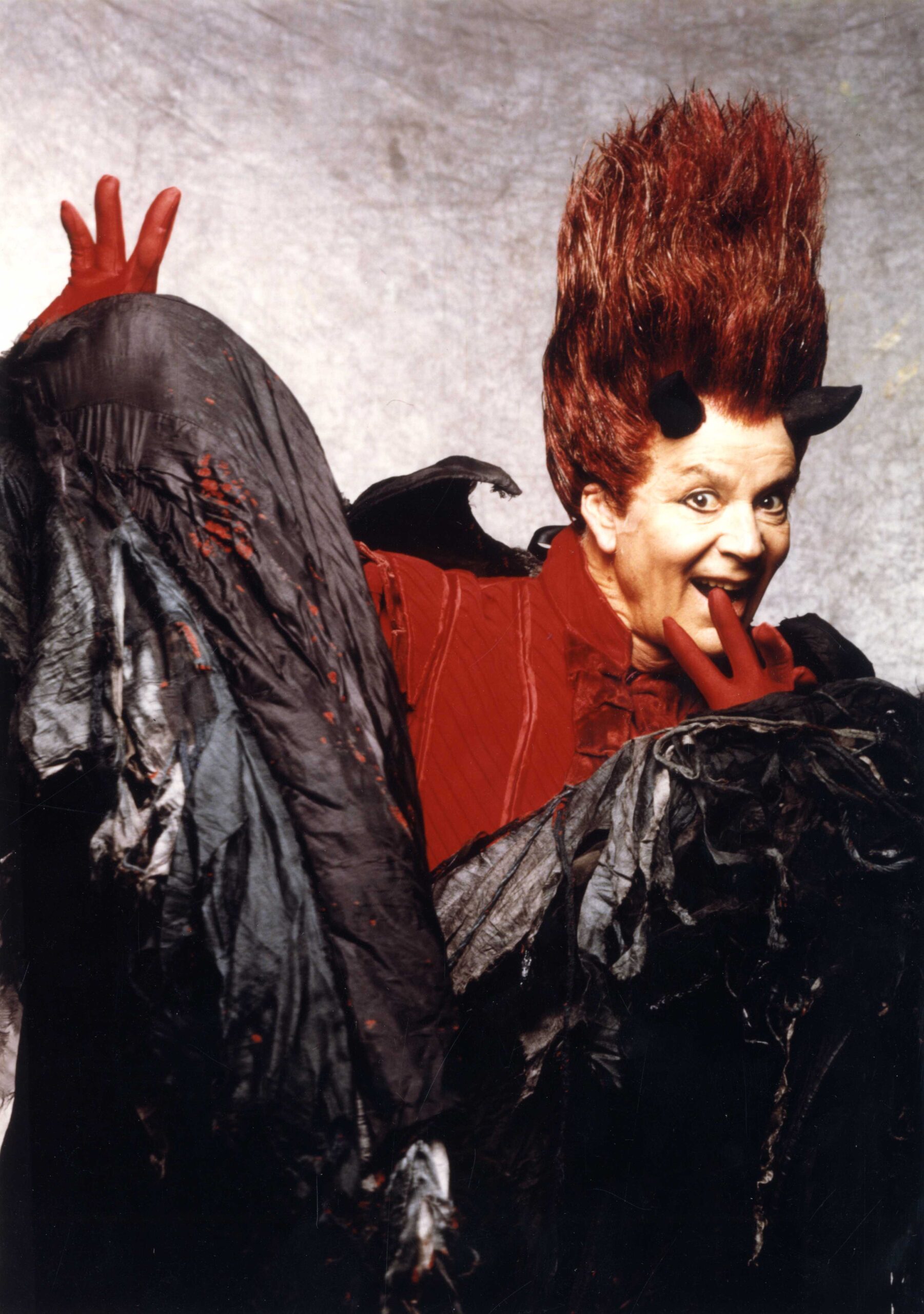
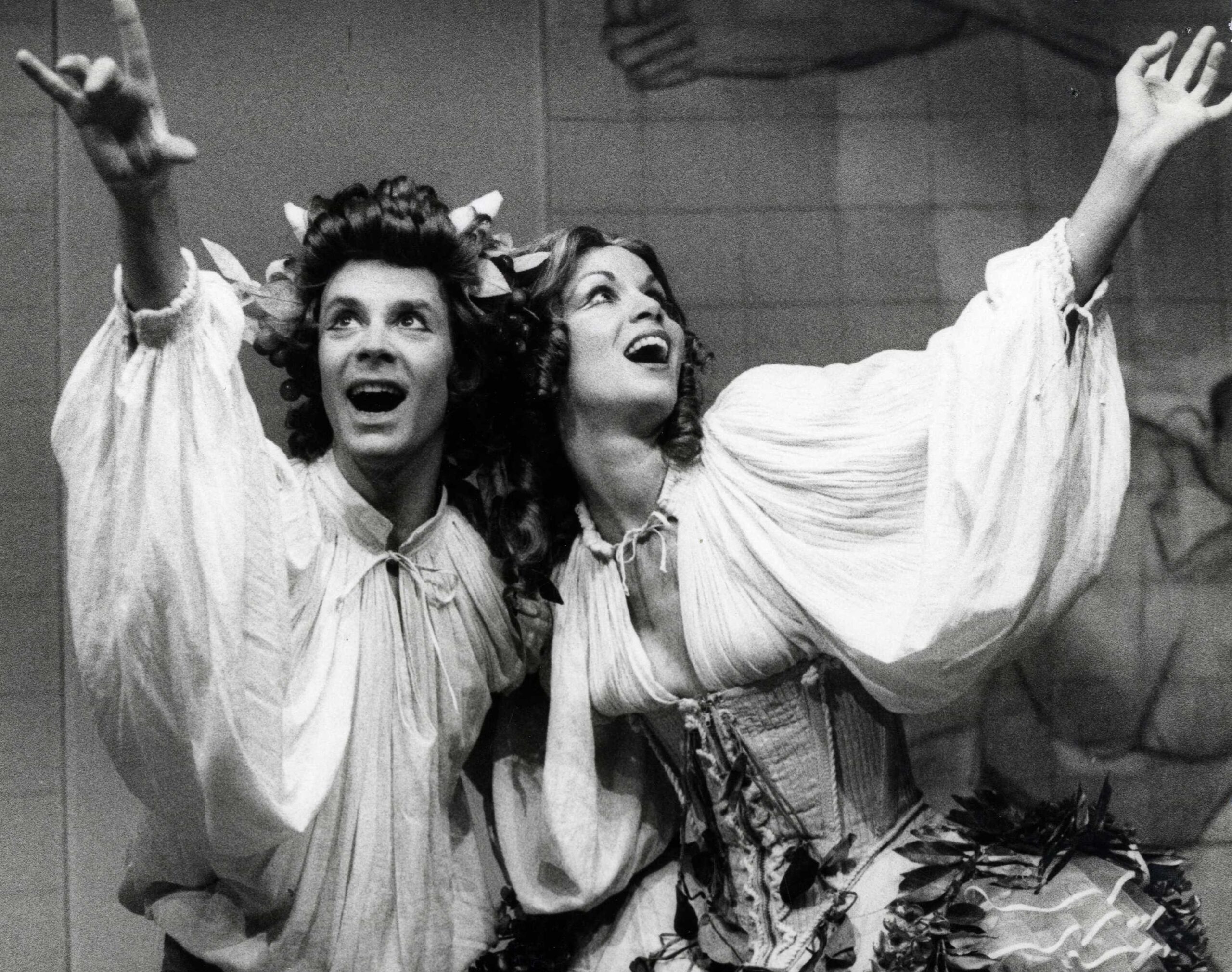
Paolo Poli. Photographs from the archives of the Fondazione Giorgio Cini Theatre Institute in Venice

An exhibition dedicated to Paolo Poli, a unique figure in 20th-century Italian theatre, opens, entitled Paolo Poli. Photographs from the archives of the Fondazione Giorgio Cini Theatre Institute in Venice. The exhibition pays tribute to his flair, irony and creative freedom that has been able to cross genres, eras and taboos.

The exhibition, organised in collaboration with the Fondazione Giorgio Cini Institute of Theatre and Opera in Venice, is part of the programme of the ninth edition of BE POPULAR, the Festival of Popular Theatre staged in Vicenza from 20 to 31 August.
Hosted in the gallery of Palazzo Thiene, the exhibition highlights – through photographs from the Institute archive – one of the freest and most creative figures of 20th-century Italian theatre.

Playbills, black and white and colour photographs retrace the career of an artist who made the stage the place for subversive elegance, refined and irreverent comedy and who knew how to be both popular and cultured, unsettling and profound.

Paolo Poli (Florence, 23 May 1929 – Rome, 25 March 2016) is an actor, singer, director and author. Gifted with a very personal stylistic signature, he is the representative of a theatre that is at once biting and light, refined and desecrating, which takes its cues from operetta, revue, vaudeville, avanspettacolo and variety, but which is, however, difficult to frame in definitions of genre and content.

[accordion][/accordion]
[accordion_entry title=”Opening hours and admission”]

Opening hours: Thursday to Sunday from 10 a.m. to 6 p.m.
The exhibition is free of charge.

[/accordion_entry]
[accordion][/accordion]

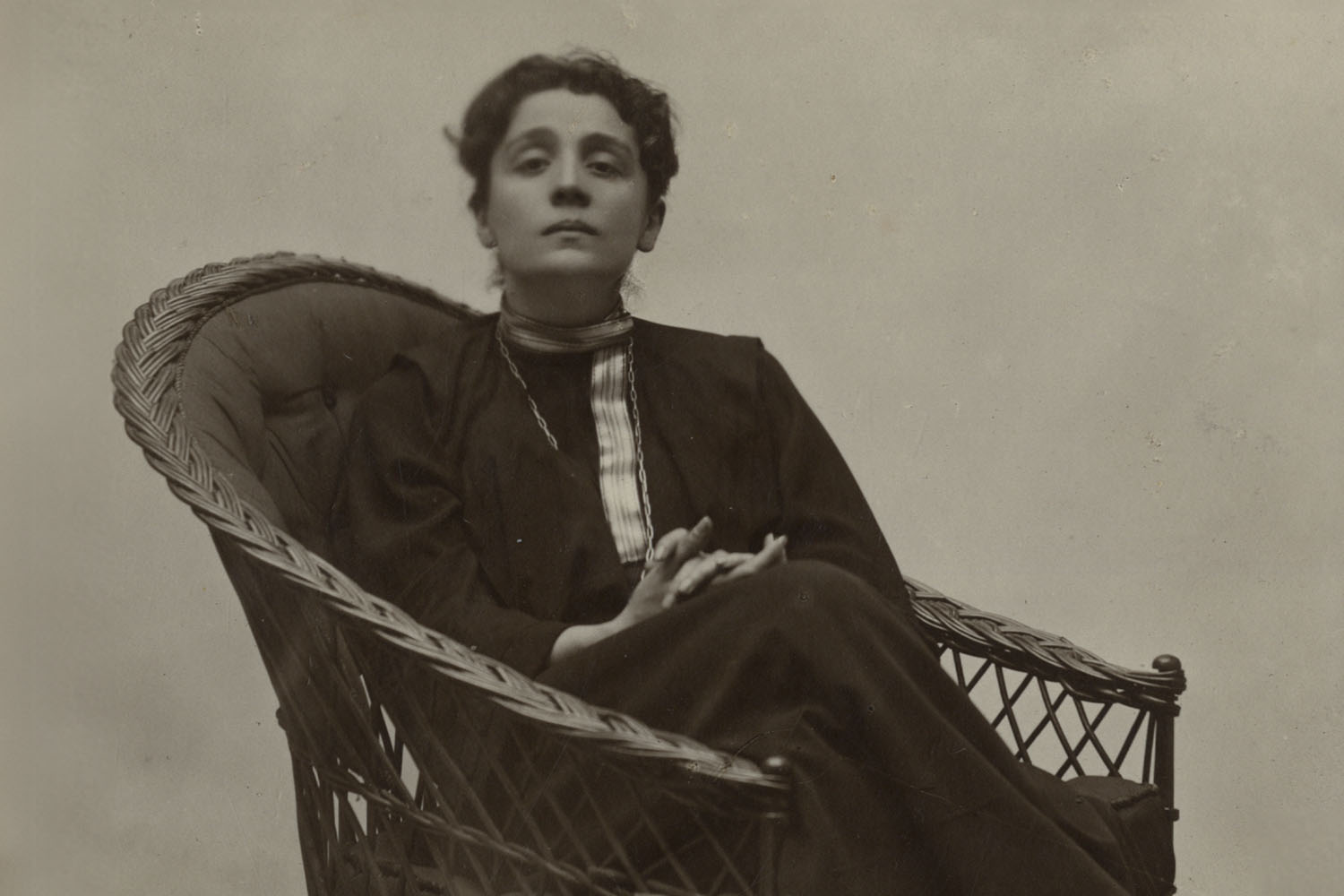
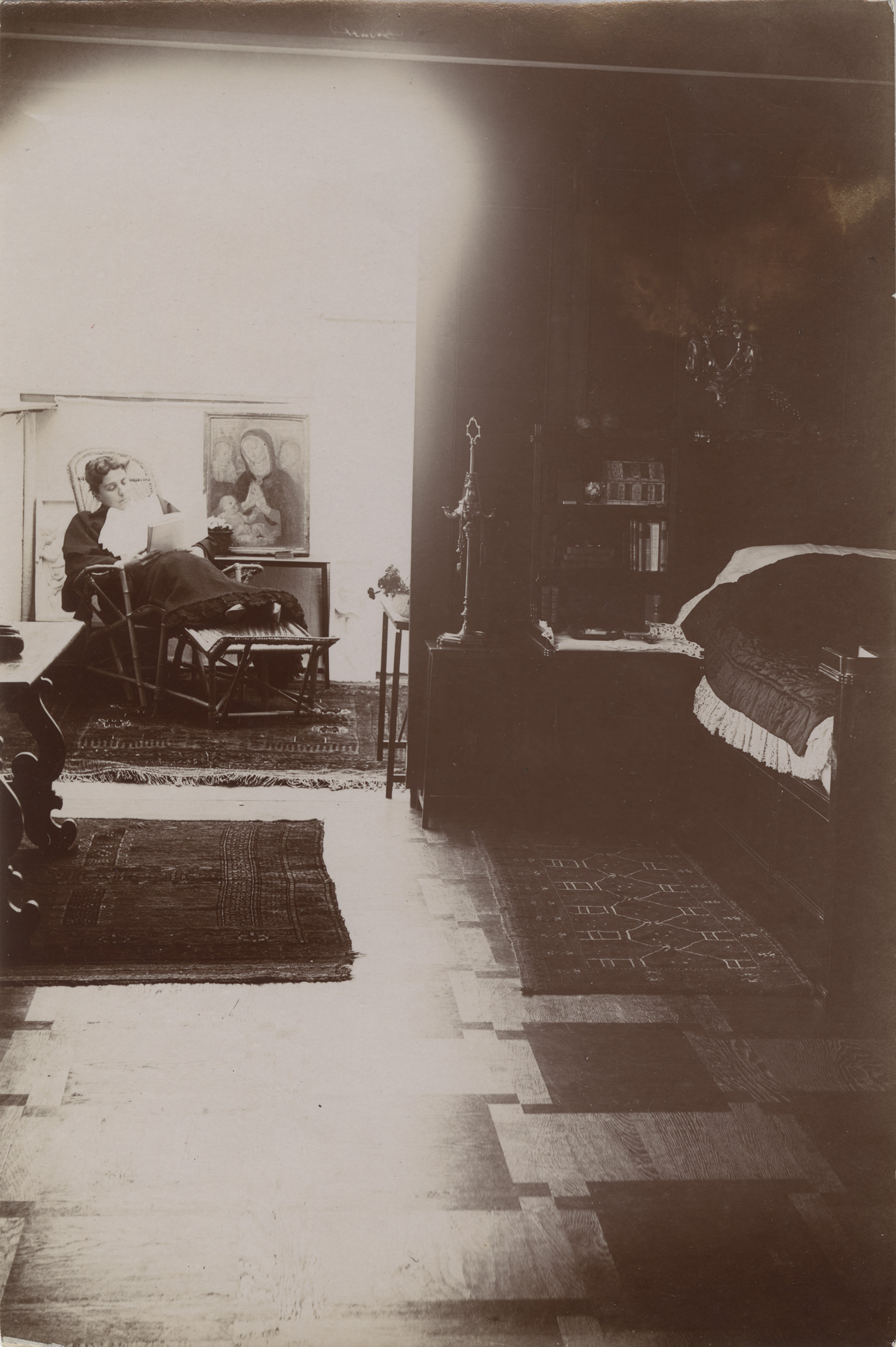
Illustre Signora Duse, voci dall’archivio dell’attrice

Opened in 2011, the Duse Room is a permanent space dedicated to the memory of the great Italian actress. It was born out of a desire to make the precious heritage housed in the Duse Archive accessible through thematic displays.

The Institute for Theater and Melodrama offers visitors a journey through the voices of others: artists, intellectuals and men of letters who had professional and friendly relations with the great Italian actress.
The selection of letters, among which appear those of Sibilla Aleramo, Grazia Deledda, Isadora Duncan, Luigi Pirandello, Margherita Sarfatti and the famous French fashion designer Jean Philippe Worth, restores a never-before-seen image of Dusi’s art and the dense and intricate network of relationships on which Eleonora and her theater were nourished. Pages full of reflections, feelings and enthusiasms that can tell the story of the exceptional nature of this artist and the impact her art had on the culture and society of early 20th century Europe.

L’ultima figlia di San Marco: Eleonora Duse a Venezia e in Veneto

As part of the celebrations promoted by the National Committee for the centenary of the death of Eleonora Duse (1924-2024), the Institute of Theatre and Opera in collaboration with Ca’ Foscari University in Venice is promoting a lecture-performance by performer Luca Scarlini entitled L’ultima figlia di San Marco: Eleonora Duse a Venezia e in Veneto. A journey through calli and canals to discover Eleonora Duse’s Venetian sojourns, her frequentations of the lagoon and the many tales told by witnesses of the time. Memories and memories, encounters and suggestions that, from Gabriele D’Annunzio’s Fuoco, will lead the spectator to Palazzo Volkoff, on the Grand Canal, to the Zattere residence, to Prince Hohenlohe’s red Casina and finally to the house of the actress’s father, Alessandro Vincenzo Duse.

Between flashes of the modern and fidelity to the past, the portrait of the great actress flows, against the backdrop of the city she loved most for much of her life, before her decision to settle in Asolo, in life and in death.