World Music Listening Guides. Intercultural Music Education Courses
The editorial series World Music Listening Guides. Intercultural Music Education Courses, created by the Intercultural Institute for Comparative Music Studies and curated by Lorenzo Chiarofonte, is edited by Fondazione Giorgio Cini. The publications are funded by the Università di Roma ‘La Sapienza’ within the Research Project of National Interest (PRIN) EDItAVi. Enhancement and development of Italian audiovisual ethnomusicology archives through new technologies sponsored by the Italian Ministry of University and Research.
aim and field of application
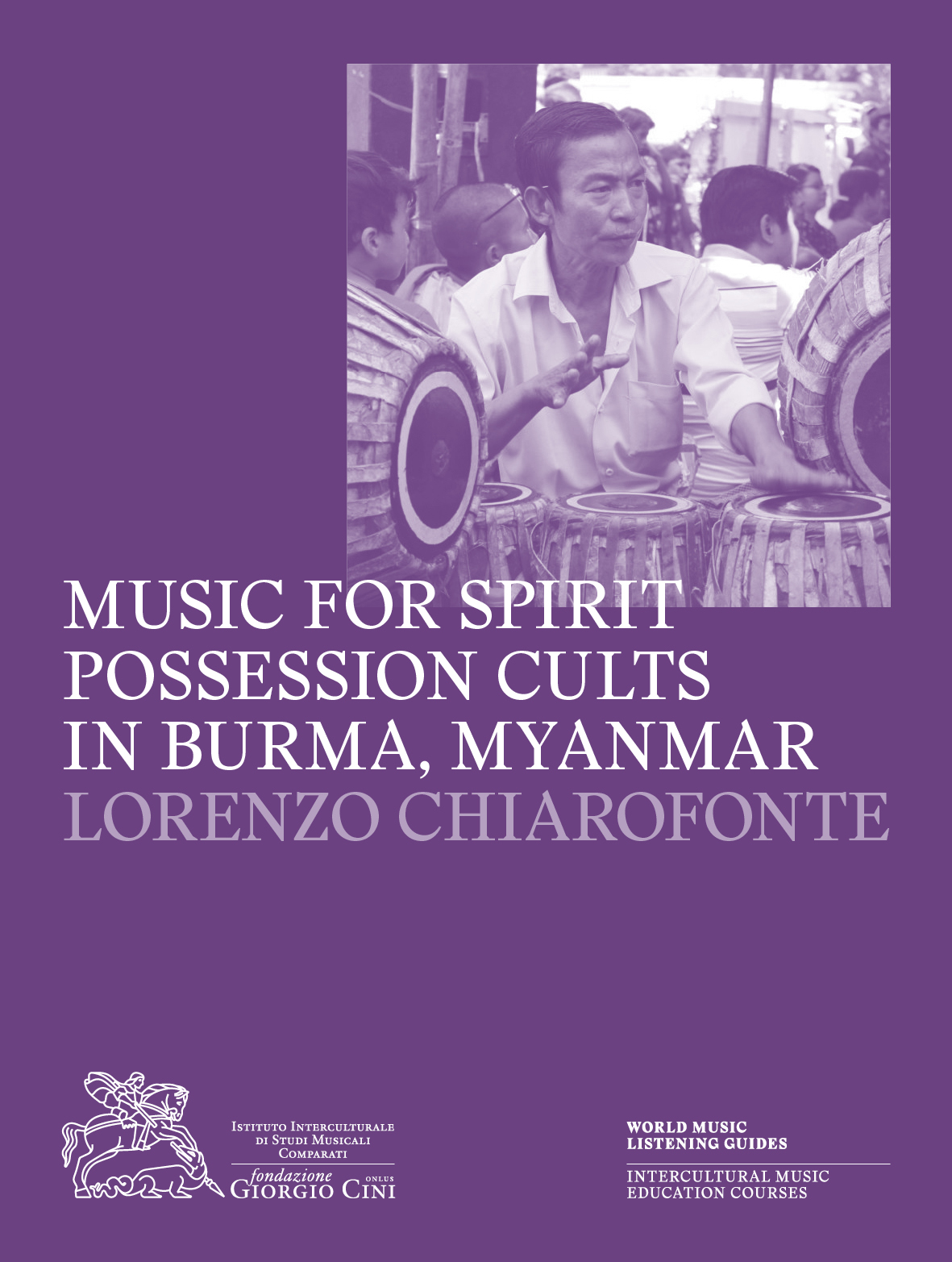
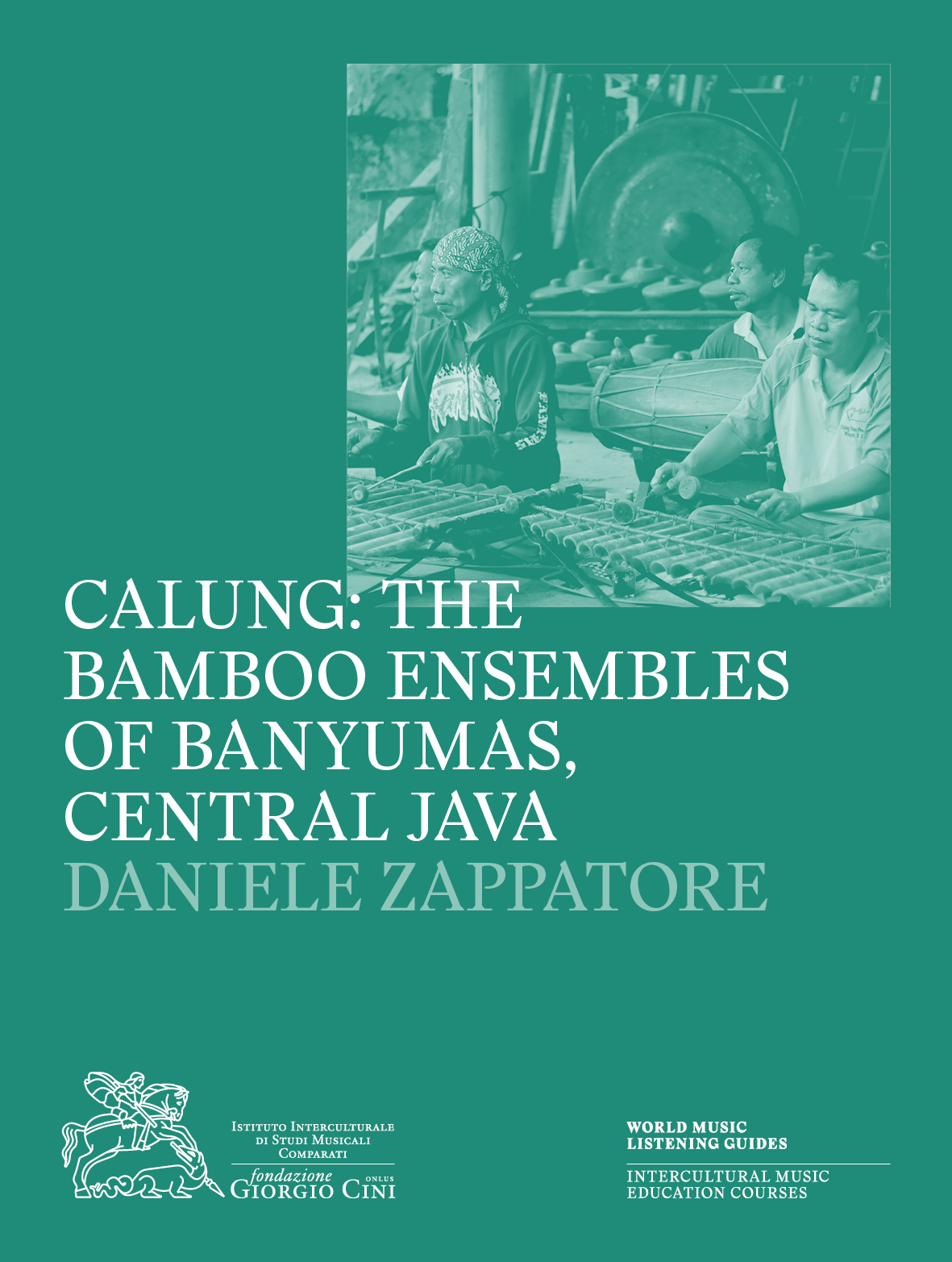
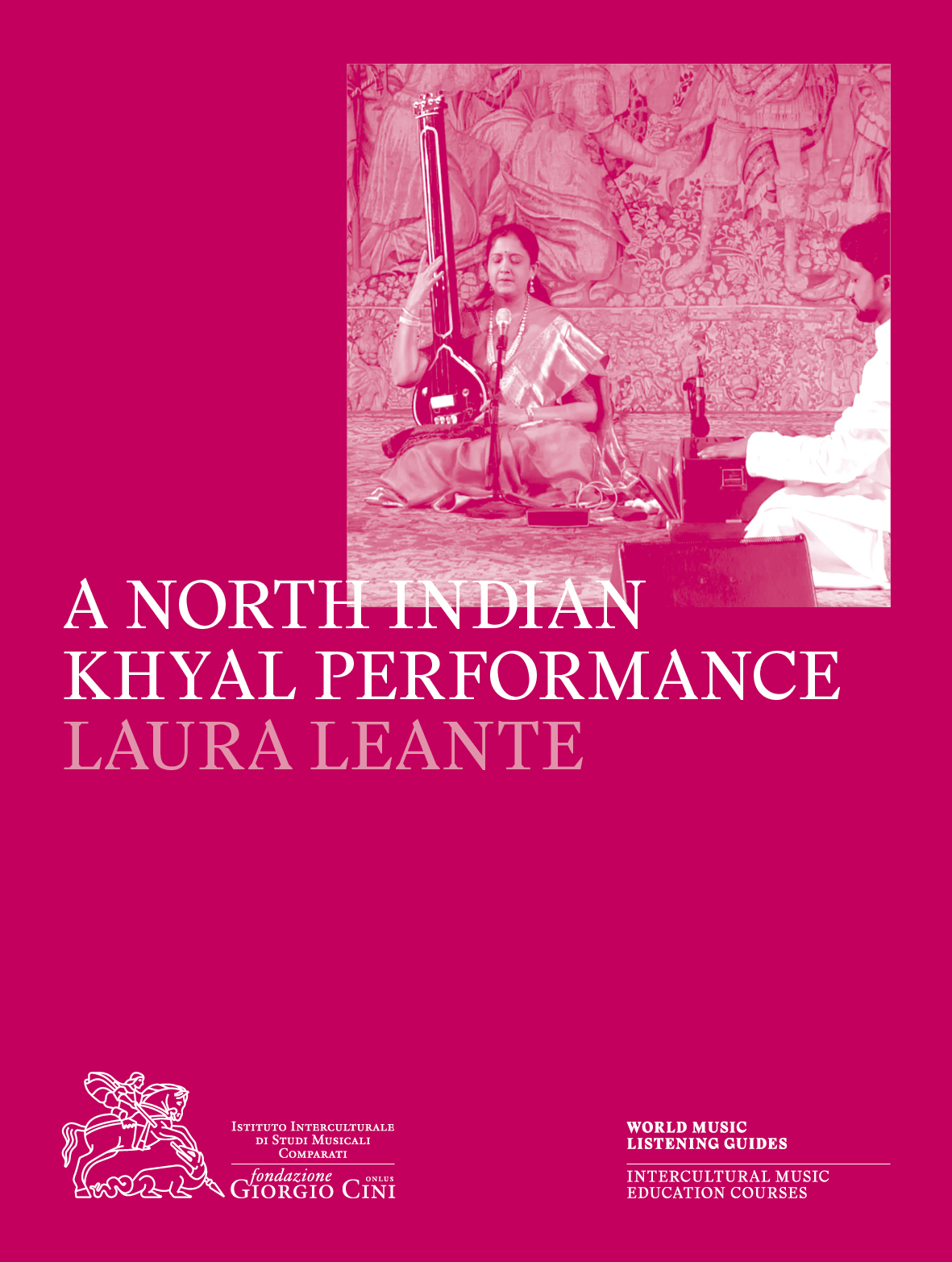
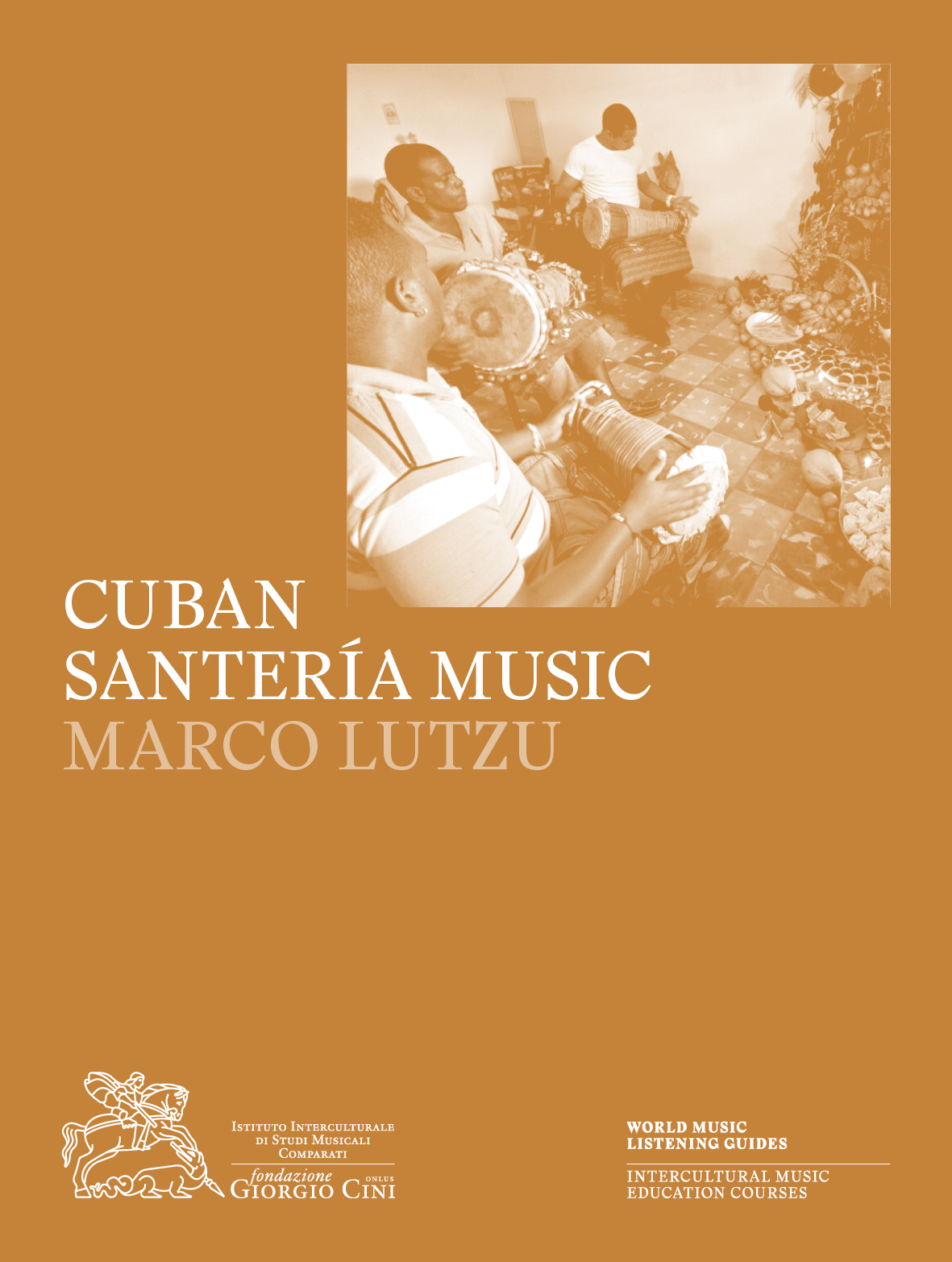
The guides aim to provide critical tools for understanding musical diversity. By analysing the dance and music characteristics of pieces belonging to different world music traditions, the guides explore the close relationship between music, culture and society, integrating textual descriptions, images, and multimedia animations created from audiovisual materials held in the IISMC archive. The multimedia animations form the core of the guides and represent their most innovative feature. Designed to function independently of the text, they aim to make the distinctive elements of the musical traditions under study immediately accessible. Each Guide concludes with a set of simple exercises intended to assess the knowledge acquired through the texts and animations, which can easily be used as teaching resources by educators.
Starting from significant pieces of a given musical tradition, the guides explore the general aspects of the performance, such as the cultural context, performance practices, instrumental ensemble, song texts, and symbolic elements. The guides also offer the analytical elements needed to understand the formal and syntactic procedures peculiar to each music tradition: metric-rhythmic structures, processes of melodic variation in instrumental and vocal parts, the relationship between music and sung verse, tuning systems, methods of combining parts, and the interaction between music and dance movements.
Organised according to progressive levels of complexity, the educational materials presented in the various guides are intended to provide students and teachers with a support for intercultural music education, and address wide audience, including those with no prior expertise.
Editor: Lorenzo Chiarofonte
Editorial Staff: Chiara Picardi and Costantino Vecchi
Graphic design: Multiplo