Isola di San Giorgio Maggiore, Venezia Archives - Page 2 of 8 - Fondazione Giorgio Cini

Accademia Vivaldi Advanced courses on the interpretation of Antonio Vivaldi’s music

The Vivaldi Academy courses will continue in 2026: five in-depth meetings on the performance practice of Antonio Vivaldi’s compositions, each lasting three to four days, dedicated to young singers and instrumentalists. This season will feature courses in singing (church vocal music, chamber vocal music, musical dramas) and basso continuo performance. A maximum of ten selected students will be admitted to the courses, who will have the opportunity not only to perfect their interpretation skills, but also to explore the musicological aspects of the compositions studied.

Each meeting will be enriched by in-depth presentations by musicologists who collaborate with the Institute and those who are part of the research group La drammaturgia musicale a Venezia (1678–1792) (Musical Dramaturgy in Venice (1678–1792)) of the Ugo and Olga Levi Foundation, with the aim of integrating performance practice with the most up-to-date historical and critical studies.

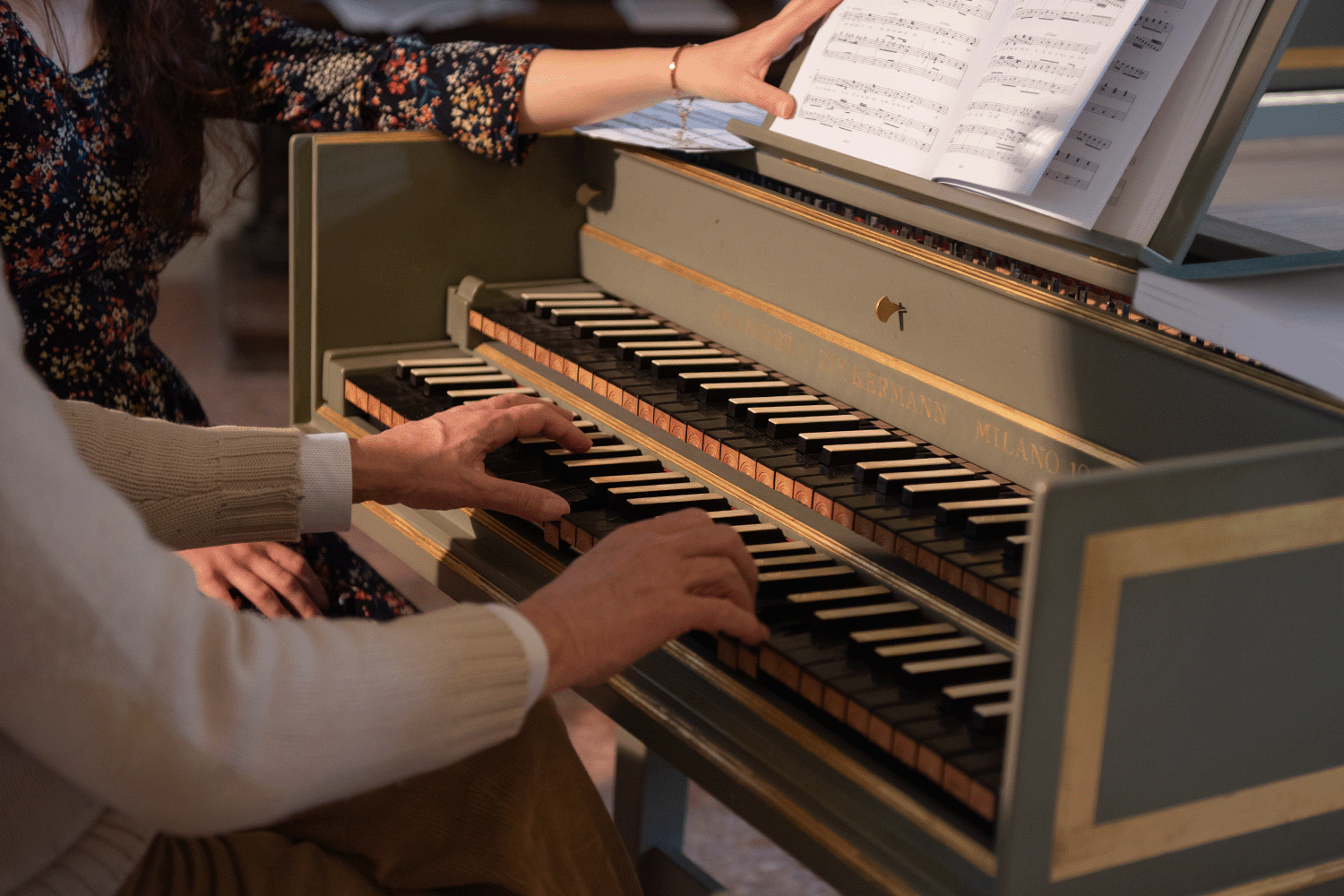
The course, led by maestro Antonio Frigé and aimed at “basso continuo” instrumentalists (harpsichordists, organists, lutenists, harpists, etc.), will focus on the realisation of the bass in Vivaldi’s compositions and era, with particular attention to the harmonisation of Vivaldi’s recitatives in the opera Il Tito Manlio, RV 738.

The lectures and concerts organised as part of the Academy will be open to the public. Each course consists of three to five days of intensive study, comprising individual lessons and group discussions, and is open to a limited number of participants selected from the applications received. Please refer to the call for applications for details of admission requirements, deadlines and how to apply.

program
25 — 27  March 2026
plus

Masterclass dedicated to basso continuo

Teacher: Antonio Frigé

14 — 18 April 2026
plus

Masterclass dedicated to singing

Teacher: Gemma Bertagnolli

19 — 23 May 2026
plus

Masterclass dedicated to singing

Teacher: Gemma Bertagnolli

30 June — 4 July 2026
plus

Masterclass dedicated to singing

Teacher: Gemma Bertagnolli

24 — 28 November 2026
plus

Masterclass dedicated to singing

Teacher: Gemma Bertagnolli

Sound Archives amid memory, restitution and new cultural processes

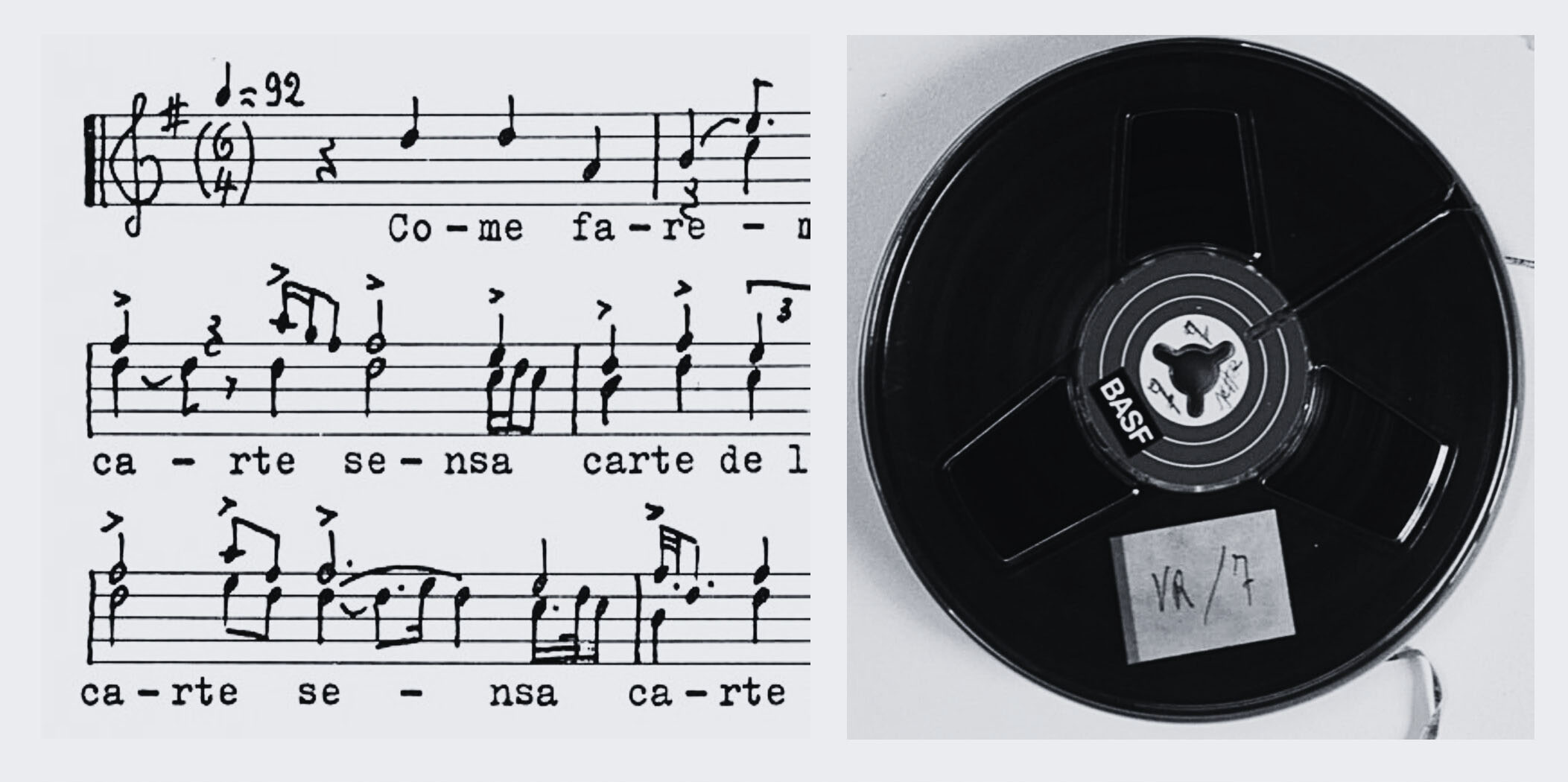
On the occasion of the publication of all the sound recordings in the digital catalogue of the Veronese nucleus of the Conati-Camellini Fonds, the Institute is organising a round table dedicated to the theme of the protection and enhancement of sound archives of ethnomusicological interest. The reflections focus on the framing of the real and potential roles of sound archives of traditional music in the cultural processes of the present and the near future. Analysing the cataloguing model adopted by the Institute for the description of the Conati-Camellini Fonds, the discussion also focuses on methodological issues, such as the identification of effective and sustainable strategies for the online cataloguing and dissemination of this type of source online.

Trionfi. Music, poetry and longevity between Guillaume de Machaut and Francesco Petrarca

At the end of the Early Music Seminars, Sala dei Cipressi will guest a concert by young singers and musicians specialized in medieval repertoires, selected through an international call.
The main materials of study, and program of the concert, will be the poetic-musical lyrics included in Machaut’s (perhaps autobiographical) Remède de Fortune – written shortly before the great plague of the 14th century – and other settings, either his own or perhaps inspired by him, circulating in Central Europe or Italy in the late 14th and early 15th centuries. These will be flanked by some extracts from Petrarch’s Trionfi and De remediis, or Canzoniere – quoted in settings of the same period.

The main teacher of this edition is Marc Mauillon, a celebrated tenor-interpreter of Machautian repertoires.

According to tradition, the event will alternate musical performances with introductory sessions to this repertoire.

Performers:
Laia Blasco Lopéz, soprano
Clémence Niclas, soprano
Cyril Escoffier, tenor
Nóra Szabó, organ

Assistant:
Pau Marcos Vicens, viella

Concert directed by: Marc Mauillon and Pedro Memelsdorff

The seminar and concert are part of the important series of events dedicated to longevity.

Among the many texts in Petrarch’s ocean that allude to or problematize longevity, the Trionfi are emblematic not only for their poetic intensity, but also for the implementation of new historical-philological, poetological and moral interests. Written in 1351 in the wake of his Italian journey for the Jubilee of 1350 and his encounter with Boccaccio and Greek culture in contemporary Florence, the Trionfi encapsulate historical and cultural issues that were to mark the arts, literature and music of Europe in the centuries to come.
Contemporary, but active only in France, the poet and composer Guillaume de Machaut (c.1300–1377) was also, like Petrarch, a model emulated in Europe at the time, but his influence beyond France's borders is still a subject of debate among scholars and musicologists. This edition of the Early Music Seminars aims to examine a selection of texts by Petrarch and Machaut in search of possible mutual influences, but above all the types of influence that both authors had, explicitly but more often implicitly, on the music of their own time or shortly thereafter.

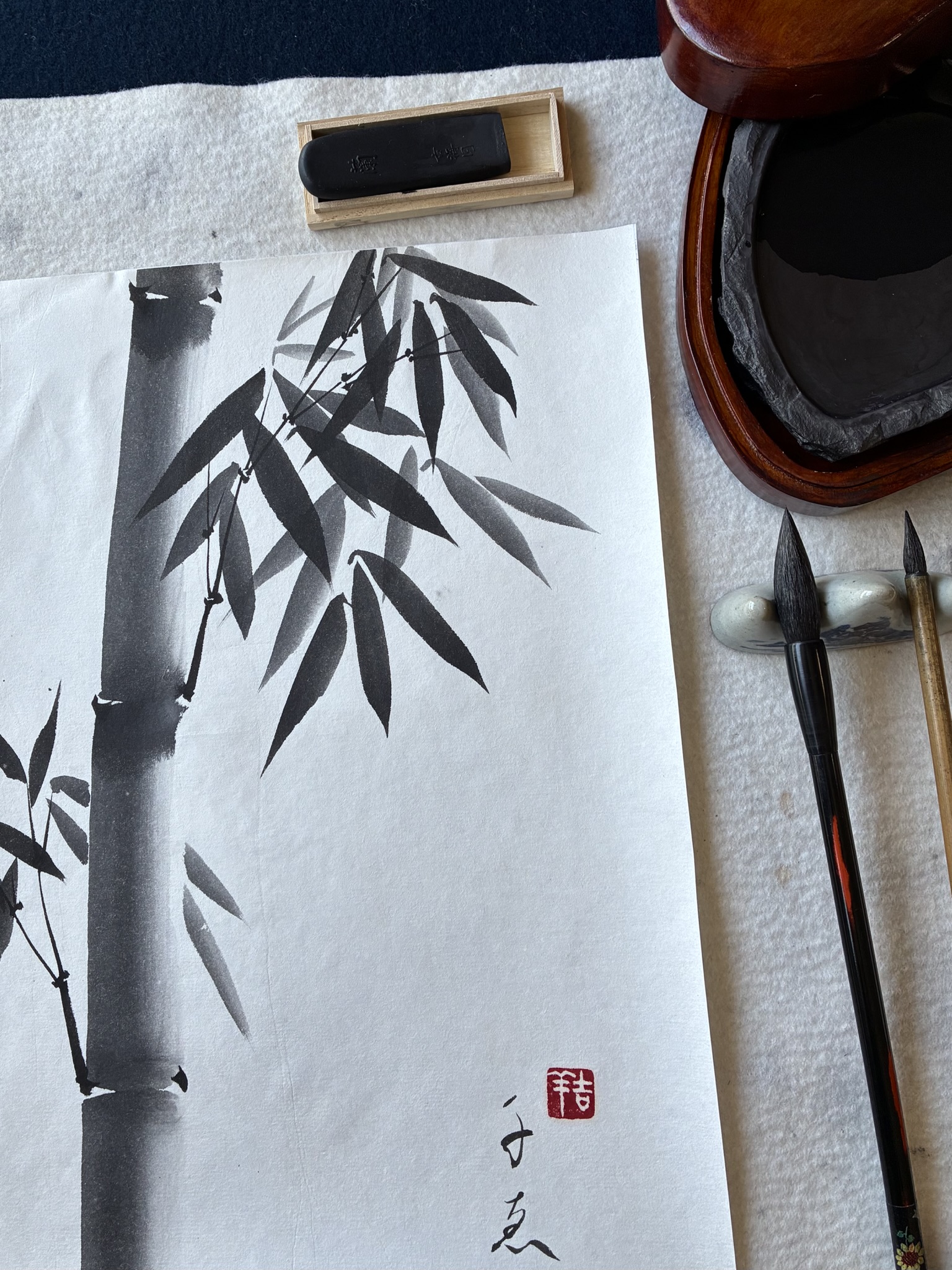
Workshop on suiboku

The Centre for Comparative Studies of Civilisations and Spiritualities is pleased to announce a new workshop dedicated to the Japanese art of suiboku.
The event will offer an immersive experience in the traditional Japanese art of ink painting, a practice that combines gesture, contemplation, and aesthetic sensitivity. Participants will be guided in the preparation of the materials. This initial, slow and ritualistic moment promotes a state of concentration and inner calm. Subsequently, the fundamental strokes will be explored through exercises that reproduce fine lines, broad brushstrokes, and nuances created with variations in pressure and quantity of water. The emphasis will be on simplicity and spontaneity: a single gesture, if authentic, can encapsulate an entire landscape. The workshop will also introduce typical suiboku subjects, such as bamboo, orchids, plum blossoms, and mist-shrouded mountains, encouraging each participant to find their own personal interpretation.

Workshop schedule and booking
The students will be guided through this experience by the Artist Chie Iwakiri, who will lead three workshop days (4-5-6 March) for a maximum of 15 students per day, from approximately 15:00 to 17:00.
Participants may register for only one day. On the first day only, March 4 from 14:00 to 15:00, an introductory lecture in Italian will be held by Prof. Silvia Vesco (Department of Asian and Mediterranean African Studies, Ca’ Foscari University, Venice) for all registered participants.


programmE

[accordion][/accordion]
[accordion_entry title=”4 March”]

14:00-15:00
Silvia Vesco
introductory lecture in Italian

 15:00-17:00
Teacher Chie Iwakiri
Workshop in English

[/accordion_entry]
[accordion][/accordion]
[accordion][/accordion]
[accordion_entry title=”5 March “]


 15:00-17:00
Maestra Chie Iwakiri
Workshop in English


[/accordion_entry]
[accordion][/accordion]

[accordion][/accordion]
[accordion_entry title=”6 March”]

 15:00-17:00
Maestra Chie Iwakiri
Workshop in English

[/accordion_entry]
[accordion][/accordion]

The workshop is free of charge, but registration is required.

To register, please send an email to [email protected] indicating your chosen day and the following details: first name, last name, telephone number, and affiliation (if you are a student). 

Please note: Registration will only be effective upon receipt of a confirmation email from the secretariat. 

As there are 15 places available per day, please note the following:

  • Registration requests with missing information cannot be accepted.
  • You can only register for one day.
  • The email must be for a single participant; multiple registrations will not be accepted.  

In case of cancellation, please notify the secretariat as soon as possible to give another person the opportunity to participate.

Please also notify us of any delays.

[accordion][/accordion]
[accordion_entry title=”Short Bio of Chie Iwakiri”]

Artist / Master Instructor of the International Sumi-e Association

Born in Yokohama, I graduated from the Graphic Design department of Tama Art University in 1985. From 1989 to 1991, I stayed in Venice, where I practiced lithography at the Scuola Internazionale di Grafica and held a solo exhibition.

Since 2000, my work has been selected for exhibitions such as the Kochi International Triennial Exhibition of Prints. Later, I focused my practice on Suibokuga. Currently, I hold a Master Instructor qualification from the International Sumi-e Association and have received awards including the China Art News Award and the Association’s Chairman’s Award. 

March 2025: Conducted a workshop at Ca’ Foscari University of Venice and held a Sumi-e exhibition at SG Gallery.

Alongside my own creative work, I teach classes, lead workshops, and give private lessons. I continue to explore the history and the future of ink wash painting, valuing the discipline required for its irreversible process.

[/accordion_entry]
[accordion][/accordion]
[accordion][/accordion]
[accordion_entry title=”Short bio of Silvia Vesco “]

Silvia Vesco is a professor of Japanese art history at the Department of Asian and Mediterranean African Studies at Ca’ Foscari University in Venice. After completing a Master’s degree in East Asian Art and Archaeology at the University of London and a PhD (joint degree Italy-Japan), she lived and studied in Japan for many years. She has organized several international conferences and curated important exhibitions of Japanese art in prestigious venues in Italy and Japan.
Her scientific interests focus on ukiyo-e prints and paintings (images of the ‘floating world’), with particular reference to the work of Katsushika Hokusai (1760-1849), Japonism and textiles, as well as Japanese art collections in public and private collections in Italy. His latest publications include contributions dedicated to prints by Andō Hiroshige (1797-1858) and Utagawa Kunisada (1786-1865) and the refined iconography of Genji monogatari (The Tale of the Shining Prince), as well as Haori: Gli abiti maschili del primo Novecento narrano il Giappone, as well as the first translation into a Western language of two manuals on painting by Katsushika Hokusai. In addition, Einaudi has published the first of two volumes on the history of Japanese art from prehistory to the modern era. The second volume on the history of Japanese art and its developments up to the contemporary era is currently being published.

[/accordion_entry]
[accordion][/accordion]

[accordion][/accordion]
[accordion_entry title=”ABSTRACT Introductory lecture“]

Shodō and Suiboku as paths to self-cultivation

Shodō (calligraphy) and suiboku (ink painting) are not simply artistic techniques, but true “ways” () aimed at spiritual perfection and self-knowledge. Through historical and philosophical analysis, some fundamental points emerge, such as:

The unity between Body and Spirit, since the practice requires absolute consistency between inner energy and concrete action. The brush is not merely a tool, but an extension of the body that must act with the spontaneity of the “heart-mind” (kokoro).

Learning takes place through a long apprenticeship based on repetition and imitation of models (kata). This apparent lack of individual freedom is, in reality, a prerequisite for internalizing the technique and achieving “living” creativity.

To produce authentic beauty, the practitioner must act without artificial intent, reaching a state of “empty mind” (mushin) that allows identification with the whole and, ultimately, even enlightenment.

Calligraphy and ink painting share concepts such as wabi, sabi, and yūgen with Japanese aesthetics, valuing sobriety, the charm of time, and ineffable depth.

These disciplines represent an ethical and aesthetic path where the ultimate goal is not to “possess a skill” but to “be” by overcoming individual selfishness.

[/accordion_entry]
[accordion][/accordion]
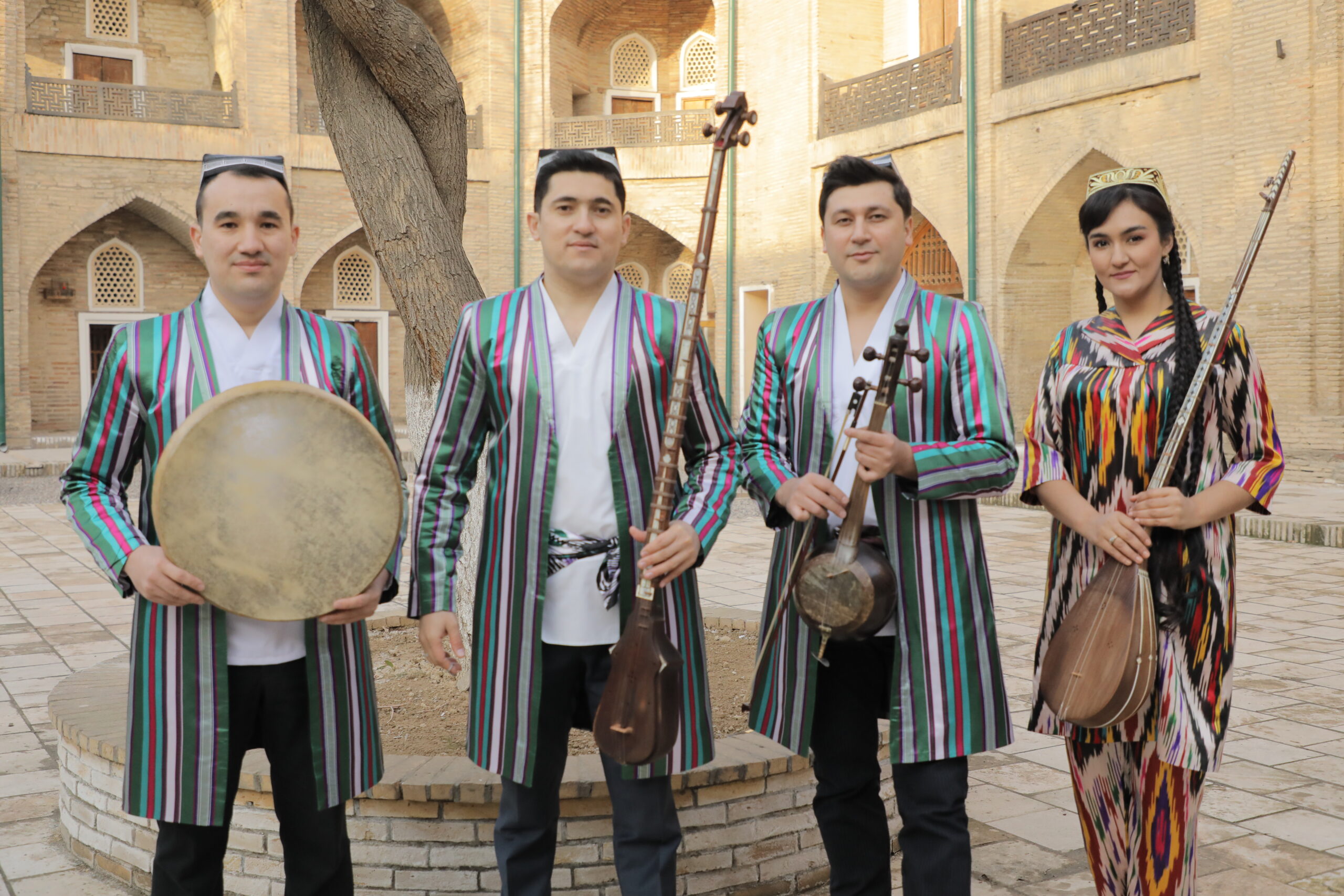
Ilyos Arabov Ensemble: Shash Maqom, art music tradition between Bukhara and Samarkand since 16th c.

On March 4, 2026, in the Sala degli Arazzi of the Giorgio Cini Foundation, the third concert conceived by the UKRI maqām beyond nation study group will take place. This event is a partnership between the University of London, SOAS, and the Ca’ Foscari University of Venice, Department of Philosophy and Cultural Heritage.

The concert is dedicated to the tradition of art music known as shash maqom (“six maqoms”), which developed among the cultural centers of Bukhara, Samarkand, Khiva, and Andijan since the 16th century.

The ensemble, making its debut in Italy, is composed of:

Ilyos Arabov, voice, dutor lute
Vosidjon Mahmudovghijak fiddle
Farangiz Makhmudovatanburrubob lutes
Nasimkhon Muzaffarov, frame drums (daf, doire), percussion
Dilorom Madrakhimova, dance

Horst P. Horst. The Geometry of Grace

The major retrospective devoted to Horst P. Horst (Weißenfels, 1906 – Palm Beach, 1999), La Geometria della Grazia, is curated by Anne Morin and Denis Curti and produced by Marsilio Arte in collaboration with DiChroma Photography and the Horst P. Horst Estate. The exhibition offers a new reading of the photographer’s work: a cross-section through its complexi
ty, seen from a perspective in which fashion photography is no longer the main axis nor a fundamental structure but rather a pretext for creating forms and opening up art to new territories. Horst constructs his images as authentic visual equations, in which each element fits into a harmonious, almost mathematical relationship. In this journey, the concept of geometry – understood as structural and spiritual order – becomes the thread that runs through centuries of art and thought. From the classical canons of ancient Greece to Romanesque architectural proportions and Le Corbusier’s Modulor, Horst collects and
elaborates a millenary heritage, restoring it through a surprisingly modern gaze.This exhibition is not only a tribute to his extraordinary talent for photography, but also an invitation to rediscover how geometry and harmony are the basis of every art form, every construction, every image and worldview.

[accordion][/accordion]
[accordion_entry title=”Orari e modalità d’accesso”]
Open daily from 11:00 AM to 7:00 PM (last admission at 6:30 PM) closed on Wednesdays.


Special openings:
Sunday 5, Monday 6, Wednesday 15, and Saturday 25 April

[/accordion_entry]
[accordion][/accordion]

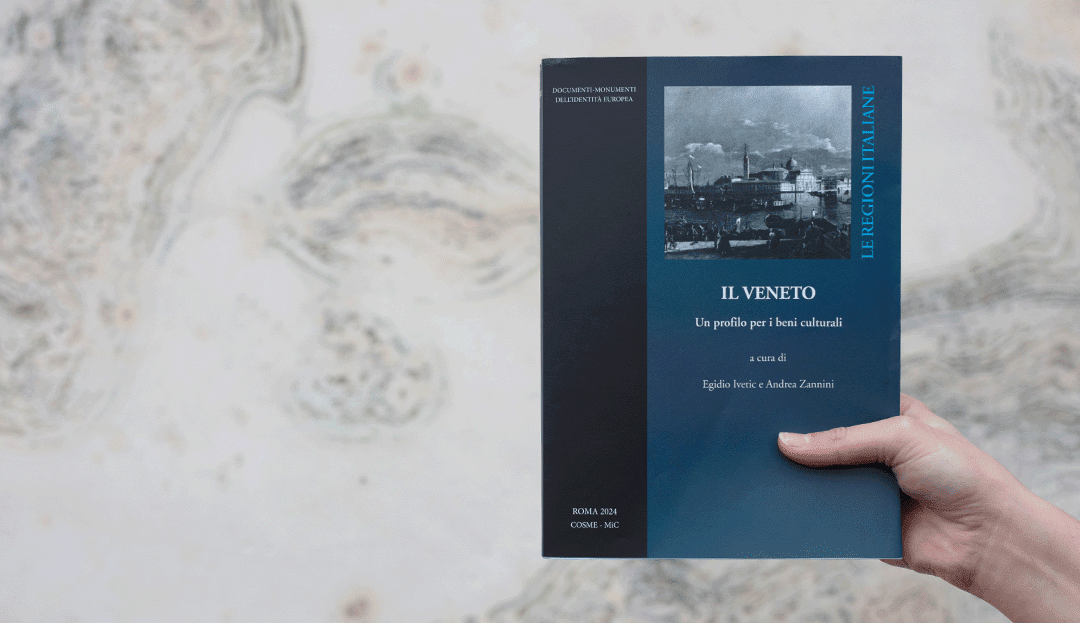
Veneto. A profile for cultural heritage

Presentation of the book Il Veneto. Un profilo per i beni culturali. The Veneto region is undergoing rapid change, one which also involves its population and its outlook, which is not just national or European but a global one. This cultural heritage profile is not a catalogue or a review of the artistic, architectural and landscape beauties that the region has to offer, but rather an outline in which history appears as a basis on which to better organise knowledge. History is thus declined through the various essays in the book, with a theory of thoughts on the Veneto region, viewed here as one single cultural asset.

This activity is realised with the contribution of the Veneto Region.

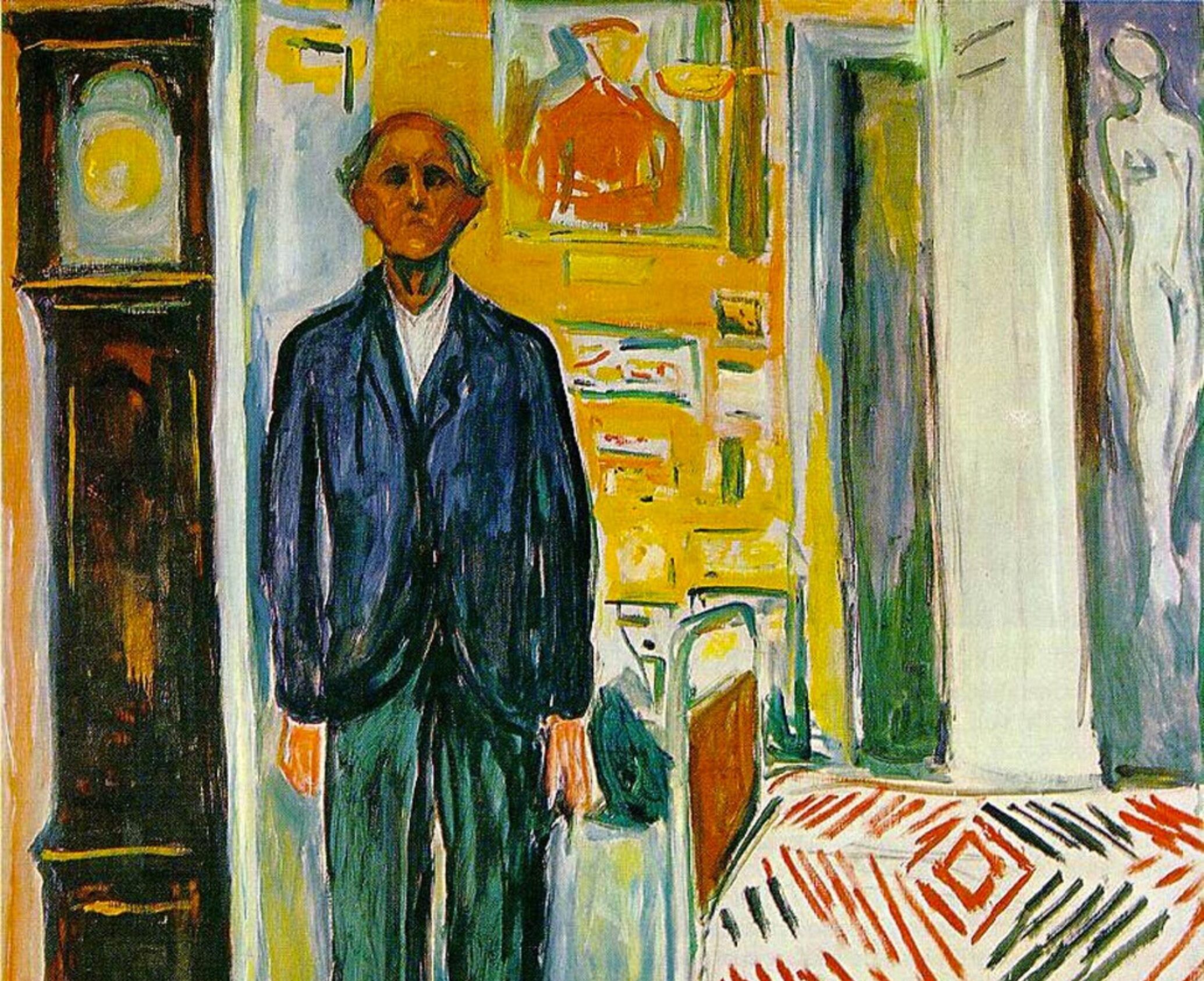
Hindsight and repositioning: composers and the challenges of the third age

A study day devoted to the behaviour, reactions, choices and rethinking that characterised the final phase of the life and creativity of some of the most influential composers of the twentieth century: Arnold Schönberg, Igor Stravinsky, Gian Francesco Malipiero, Olivier Messiaen and Dmitri Shostakovich.

The theoretical reference is the concept of ‘late style’, which was coined by Theodor W. Adorno for Beethoven’s last works and later taken up and expanded by Edward Said in his book of the same name. The speakers aim to broaden the conceptual field traced by the two philosophers in the directions of intellectual biography and aesthetic evolution; longevity is related to the alienating perception of the new age and the response to the challenges coming from it.

The event concludes with a concert performed by the lecturers and students of the ‘Cesare Pollini’ Conservatory in Padua as part of the agreements concerning the Doctorate Course of National Interest (DIN) Artistic Research on Musical Heritage (ARMH)

programmE

[accordion][/accordion]
[accordion_entry title=”9:30 – 12:30″]

Introduzione e moderazione: Gianmario Borio

Michela Garda
(Università di Pavia)
Le stagioni della vita e la creatività musicale: ripensare il “tardo stile”

Massimiliano Locanto
(Università di Salerno)
“Pensieri di ottuagenario”: Stravinskij e le sfide della terza età

Raffaele Pozzi
(Università Roma Tre)
Stile tardo come inattualità: visione e poetica dell’ultimo Messiaen

[/accordion_entry]
[accordion][/accordion]
[accordion][/accordion]
[accordion_entry title=”15:00 – 18:00 “]

Moderazione: Michela Garda

Gianmario Borio
(Università di Pavia – Fondazione Giorgio Cini)
“Wer bin ich….?” – Autoanalisi, inquietudine, cambiamento: gli ultimi anni di Arnold Schönberg

Vincenzina Ottomano
(Università Ca’ Foscari)
“I due Šostakovič”: critica e ambiguità nelle opere vocali tarde

Francisco Rocca
(Fondazione Giorgio Cini)
“Ottuagenario intransigente”: motivi del tardo Malipiero

[/accordion_entry]
[accordion][/accordion]
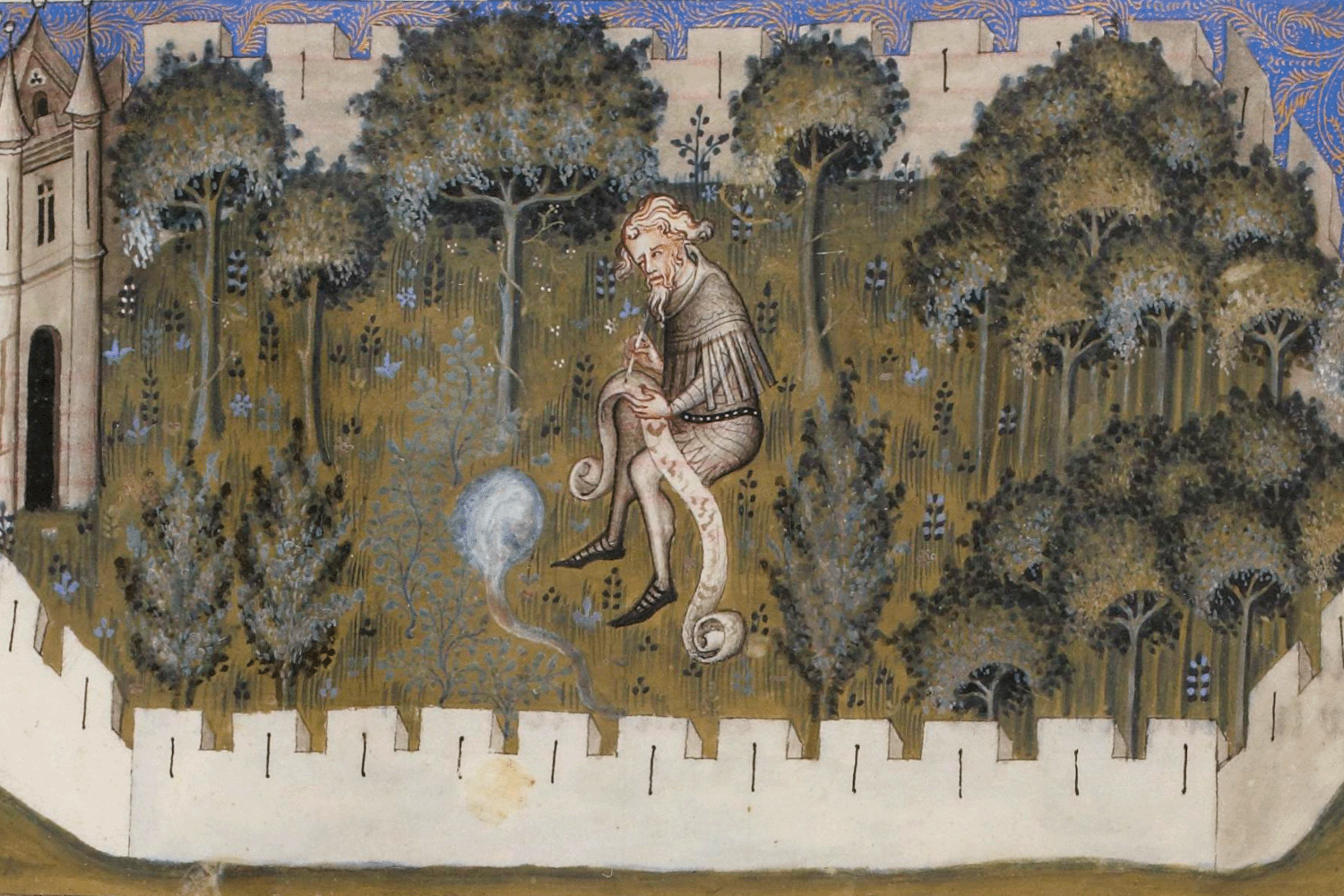


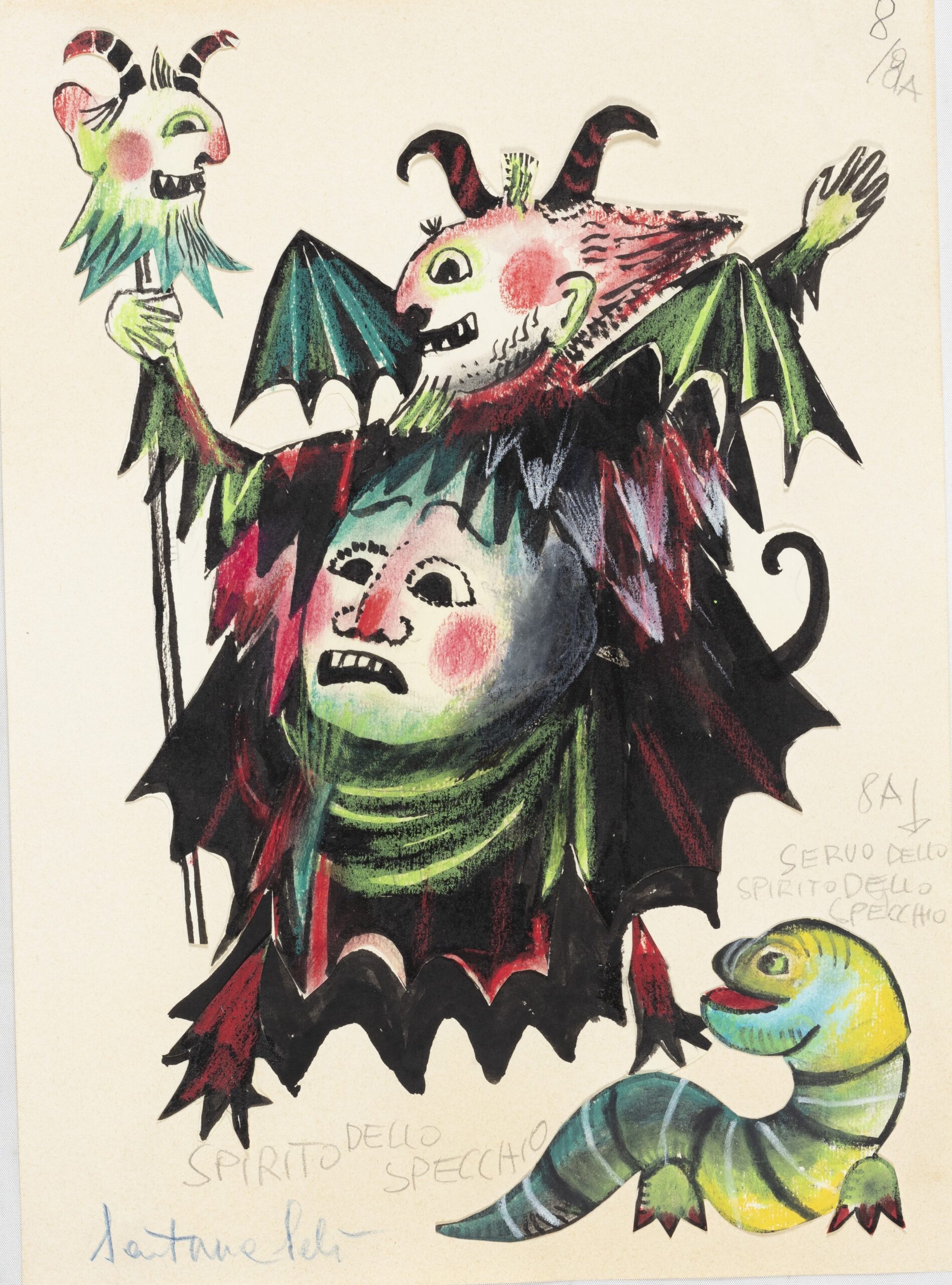
Singing in the fire with masks

The seminar, the third and final event in a project launched in 2024, will provide both theoretical and practical instruction on the use of masks in theatre, with particular reference to characters and settings associated with fire.

As in the previous edition, and in line with its vocation to disseminate and teach disciplines related to the world of entertainment, the Institute for Theatre and Opera is making its theatre archives and expertise available to hold lessons and engage in dialogue with guests at the venue.

The seminar, organised with the Théâtre Performance et Societé centre of the Université Paris 8 and the École Université de Recherche ArTeC – Nanterre, and is reserved for students selected by the two French universities.


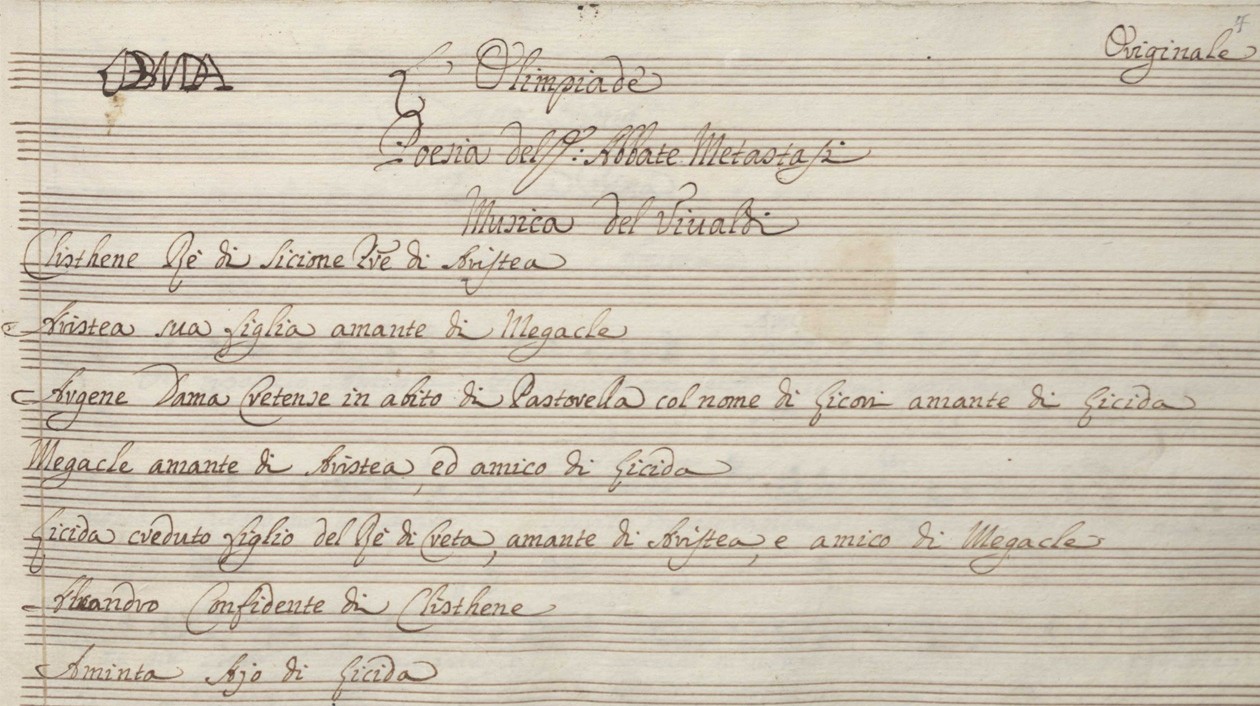
Accademia Vivaldi Advanced courses on the interpretation of Antonio Vivaldi’s music L’Olimpiade – ‘Agostino Steffani’ Music Conservatory of Castelfranco Veneto.

From 3 to 22 February, the Accademia Vivaldi is organising an advanced training course for the preparation and staging of Antonio Vivaldi’s opera L’Olimpiade, on the occasion of the Milan-Cortina Winter Olympics. The project is held in collaboration with Italian and European institutions, led by the ‘Agostino Steffani’ Music Conservatory in Castelfranco Veneto, as part of the NRRP programme ‘Musical Theatre and New Technologies (MTNT): Toward a New Paradigm in Opera Studies and Performance’, dedicated to the promotion of musical culture abroad, in particular musical theatre, through the rediscovery and exploration of Venetian opera over the seventeenth and eighteenth centuries.

Vivaldi’s dramma per musica will be performed on 21 February for schools and on Sunday 22 February at 4 p.m. at the Teatro Comunale Mario Del Monaco in Treviso, conducted by Francesco Fanna and directed by Fabio Condemi.


[accordion][/accordion]
[accordion_entry title=”L’Olimpiade 22 February 4pm”]

Belonging to the most brilliant period of the author’s poetic activity, L’Olimpiade was written by Pietro Metastasio and has always been considered one of his most accomplished creations. This celebration of love and youth by two pairs of lovers, set against the pastoral backdrop of a remote, Arcadian golden age, expresses in terms of crystalline beauty the essence of the sentimental inspiration of Metastasio’s genius. It features some of the most emblematic passages from composer Antonio Vivaldi’s opera, which follows the lovers’ reactions through a recitative accompanied by inexhaustible inventiveness, sensitive to the slightest change in psychological attitude.

Performance staged on the occasion of the official closing of the Milan-Cortina 2026 Games.

Ahead of the show, 45 minutes before the curtain rises, there will be an introductory meeting at the Ridotto del Teatro as part of the “Oltre la scena” (Beyond the Stage) series.

[/accordion_entry]
[accordion][/accordion]