Digital Centre ARCHiVe Archives - Page 4 of 6 - Fondazione Giorgio Cini

ARCHiVe Online Academy | Digital copyright between art, market and society

2021 October 7, 8, 19, 22 – 4 online classes of 2 hours each, from 4.30 to 6.30 PM


The second thematic area of AOA – ARCHiVe Online Academy 2021 is dedicated to copyright and images rights, but also to new digital technologies for cultural heritage in this context.

Lessons will be held in Italian and registration is compulsory.


Speakers:

Roberto Caso – associate professor at Università di Trento, comparative law professor and president of AISA (Associazione Italiana per la promozione della Scienza Aperta)

Ennio Bianco – art critic and curator, expert in Artificial Intelligence Art

Domenico Quaranta – art critic, curator, professor of Interactive Systems at Accademia di Belle Arti di Carrara


Detailed programme:


Copyright in the digital era between market and society: updates on European copyright law (Roberto Caso)

October 7

  • – general introduction on copyright laws in the context of cultural heritage; the lesson will also focus on the problems faced by cultural institutions for the access and reproduction of their heritage.

October 8

  • – focus on the latest updates on European copyright law.


Artificial intelligence: newest frontier in creativity (Ennio Bianco)

October 19

  • – algorithms, Machine Learning, Deep Learning and Neural Network;
  • – creative process in AI Art. GAN and No-Code Tools for creativity;
  • – “Can machines be really creative?”: CAN algorithm (Creative Adversarial Network);
  • – GPT-3 model (Generative Pre-Trained Transformer 3), CLIP and DALL-E: from captions to images.


Copyright and Blockchain: present and future of NFT in contemporary art (Domenico Quaranta)

October 22

  • – focus on how the market of NFT (Non Fungible Token) opened the debate on blockchain changing the global economy, contemporary art and art market.


For more information send an e-mail to: [email protected]

Please register here:
Recording the Island of San Giorgio Maggiore – online presentation

September 27th – 2 hours online presentation from 4.30 to 6.30 pm


Participating in the celebrations for the 70th birthday of Fondazione Giorgio Cini, on September 27th Adam Lowe and Frédéric Kaplan will present the methods and technologies in use for the monitoring and recording of the Island of San Giorgio Maggiore.

This presentation would explain the 3D recording methods and the data processing actions to the audience in the context of ARCHiVe Online Academy 2021 programme, introducing the possibilities offered by these innovative techniques. The topic of 3D recording systems will be deepened in October and November during a course held by Factum Foundation.


The presentation will be held in English.


YouTube link to the recording of the event: https://youtu.be/48QSue_JEUk


The project

From 6th to 17th July 2020, a team from Factum Foundation spent twelve days in Venice recording the Island of San Giorgio Maggiore. This ground-breaking ARCHiVe project, linked with EPFL’s DHLab/Venice Time Machine, involved the collaboration of Factum Foundation, the Fondazione Giorgio Cini and École Polytechnique Fédérale de Lausanne (EPFL).

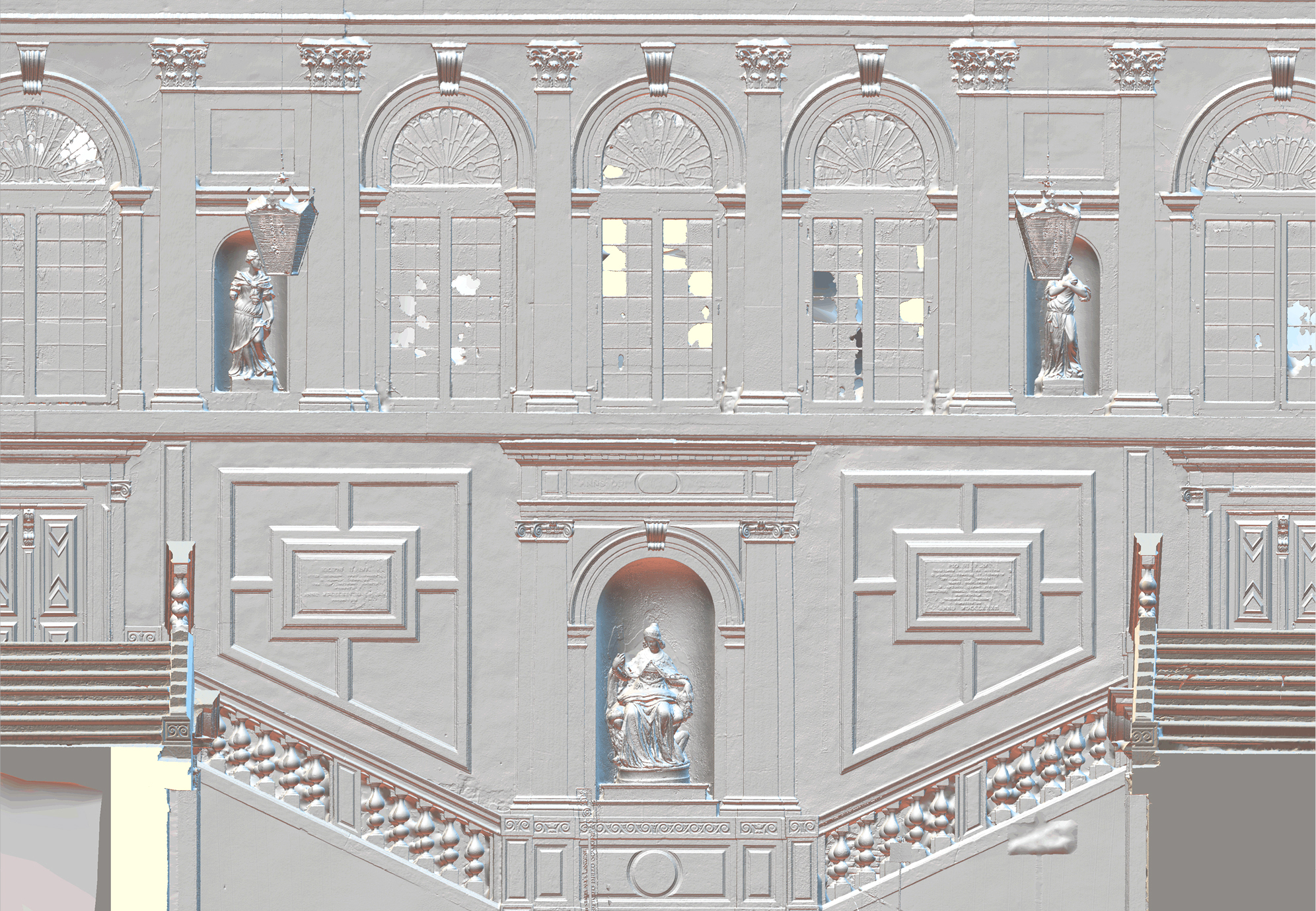
The aim was to demonstrate that technologies such as aerial and ground-based photogrammetry and LiDAR recording could eventually be used to record the whole of Venice at millimetric and sub millimetric accuracy.

After the acqua alta in November 2019 reached the highest recorded level in fifty years, ARCHiVe’s aim was to efficiently and effectively record the island and its nearby waters to aid the preservation of Venice’s fragile cultural and natural heritage.

During July 2020, Factum’s team worked alongside three graduates from EPFL sharing information and comparing results. The selected focused areas for recording include:

– Basilica of San Giorgio Maggiore

– Longhena Staircase and Refectory

– Library and Presidential Rooms

– Cloisters, Borges Labyrinth and Gardens


Developments

In 2021, the company Divirod joined the partner institutions, to focus on the monitorisation of the Island’s environment. Divirod, a US company based in Boulder, Colorado and founded by Javier Marti, have developed a radar sensor that uses satellites and locally recorded data to generate accurate hydrological models. In this case, a model of the tidal trends and movement of the water that surrounds the Island of San Giorgio, producing data accessible in real time on desktop computers and mobile devices.


Speakers:


Renata Codello, Secretary General of the Fondazione Giorgio Cini


Adam Lowe, founder of Factum Foundation for Digital Technology in Preservation


Frédéric Kaplan, chair of Digital Humanities Laboratory of École Polytechnique Fédérale de Lausanne


Additional information:

Video of the first processing of the (unfinished) 3D model of the Longhena Staircase:

https://vimeo.com/477490248

3D model of the bust of Ezra Pound by Henri Gaudier-Brezka (authorized copy by Isamu

Noguchi), one of the contemporary sculptures in the Fondazione Giorgio Cini courtyards:

https://vimeo.com/477490278

ARCHiVe Online Academy 2021

The Giorgio Cini Foundation, within the ARCHiVe project, presents for 2021 an online training program of 30 lessons divided into 4 thematic areas and a special presentation dedicated to the digitization of the Island of San Giorgio Maggiore, to celebrate the 70th anniversary of the Foundation.


The meetings are aimed at scholars, researchers and those who want to improve their skills in the field of digital enhancement of cultural heritage.

The lessons, with free access, will have a limited number of places; they will be broadcast live on the Zoom platform but can also be followed in deferred on the Youtube channel of the Foundation, through a reserved link: in both cases, registration is required.


Please note: From this page you will find links to the pages dedicated to each individual course, where the link to the registration form will be available.

Registration will open about a week before the start of each course.


Each meeting will last two hours.


ARCHiVe Online Academy 2021 Programme


ARCHiVe Online Academy presents FONTI 4.0 – Preservation, transcription, and access of analog oral sources (September 1, 8, 9, 16, 17, 22, 23, 30)


A series of eight meetings dedicated to oral sources and to the new technologies for the digitization, automatic transcription, analysis and valorization of this specific documentary typology.

The theoretical lessons will be accompanied by practical workshops; the meetings will be held in Italian and English.


The course is curated by the Center for Computational Sonology of the University of Padua and the partners of the project Fonti 4.0.


Digital copyright between art, society and market (October 7, 8, 19, 22)


A focus on copyright in the digital age (including the most recent updates of the law), on systems for copyright protection such as Blockchain technology and new digital technologies for cultural heritage. The meetings will be held in Italian.


Lecturers: Roberto Caso, Ennio Bianco, Domenico Quaranta


Three-dimensional digitization (September 27; October 13, 14, 27, 28; November 2, 4)


Twelve hours entirely dedicated to the digitization of three-dimensional materials, with the presentation of several case studies. We will discuss the techniques, tools and purposes of digitization of cultural heritage such as paintings, sculptures, architecture, archaeological sites, but not only.


The course is curated by Factum Foundation and will be held in English.


Manipulation, Digitization and Publication of Book and Documentary Heritage (December 1, 3, 16, 17, 20)


Five lectures dedicated to the manipulation of book and documentary heritage for display and digitization, but also of the IIIF protocol and its applications in digital libraries; to conclude, a focus on the transmediation of the materiality of the book in the digital world. The meetings will be held in Italian.


Lecturers: Giulia Barbero, Miriam Rampazzo, Gaia Petrella, Fiammetta Sabba, Anna Busa, Alberto Campagnolo

ARCHiVe Online Academy presents FONTI 4.0 – Preservation, transcription, and access of analog oral sources

1, 8, 9, 16, 17, 22, 23, 30 September 2021 – 8 meetings of 2 hours each, from 4.30 to 6.30pm


The Fondazione Giorgio Cini presents the courses AOA – ARCHiVe Online Academy 2021: 30 lessons dedicated to cultural heritage and digital technologies, divided into four thematic areas.


The first thematic area dealt with sound sources and new technologies for the digitization, automatic transcription, analysis and valorization of this specific documentary typology.

The course has been curated by the Centro di Sonologia Computazionale of the University of Padua and the partners of Fonti 4.0, a research project in the field of automatic transcription of sound sources, carried out with resources from the Regional Operational Program and co-financed with the European Social Fund 2014-2020 of the Veneto Region.

The first meeting (September 1) introduced the project Fonti 4.0 and will present other case studies and techniques for the valorization of oral sources thanks to new technologies in the context of Digital Humanities.

During the month of September, there have been seven meetings dedicated to digitization, metadata, restoration, transcription and preservation of audio recordings: lectures involved also  thematic workshops.


AOA presents FONTI 4.0 – Preservation, transcription, and access of analog oral sources is sponsored by the CLARIN Consortium, AISO (Italian Association of Oral History) and AISV (Italian Association of Voice Sciences).


Classes are finished.


Detailed programme:


September 1, from 4.30 to 6.30pm (ENG)

Introduction – Oral sources: overview and challenges


Welcome by Sergio Canazza (Centro di Sonologia Computazionale dell’Università di Padova), Frédéric Kaplan (École polytechnique fédérale de Lausanne), Renata Codello, Chiara Casarin (Fondazione Giorgio Cini), Mind@ware srl.

Frédéric Kaplan (EPFL): Introduction on digital humanities and automatic extraction of information from different kind of sources.
Arjan van Hessen (University of Twente): From spoken words to written text: a multilingual transcription portal.
Silvia Calamai (Università degli Studi di Siena): Vademecum for oral sources.


September 8, from 4.30 to 6.30pm (ITA)

Lesson 1: Introduction to digitization of analog audio recordings (Alessandro Russo)


September 9, from 4.30 to 6.30pm (ITA)

Laboratory 1: Digitization Lab (Alessandro Russo)


September 16, from 4.30 to 6.30pm (ITA)

Lesson 2: Metadata and audio recordings
– Metadata of the preservation copy (Valentina Burini)
– Relation between the preservation copy and the archival unit (Niccolò Pretto)

  • – CLARIN-IT and Archivio Vi.Vo project (Monica Monachini)


September 17, from 4.30 to 6.30pm (ITA)

Laboratory 2: Restoration lab (Alessandro Russo, Niccolò Pretto)


September 22, from 4.30 to 6.30pm (ITA)

Lesson 3: Transcription chain (Roberta Bianca Luzietti, Niccolò Pretto, Alessandra Origani)


September 23, from 4.30 to 6.30pm (ITA

Laboratory 3: Transcription lab (Roberta Bianca Luzietti, Niccolò Pretto, Alessandra Origani)


September 30, from 4.30 to 6.30pm (ITA+ ENG)

Lesson 4: Long-term preservation and accessing (Alessandro Russo, Niccolò Pretto, Alain Dufaux)


More info at: [email protected]


ARCHiVe for Fonti 4.0

Set up in the University of Padua Centre for Computational Sonology (CSC), the Fonti 4.0 project has been funded with resources from the Regional Operational Programme and co-financed with the Veneto Region European Social Fund 2014-2020. The partners in the project are the Fondazione Cini, the École polytechnique fédérale de Lausanne (EPFL) Digital Humanities Laboratory and Mind@ware srl.

The aim is to create innovative tools for the analysis, use and development of historic sound documents. Many public and private organisations in the Veneto hold this type of material which, due to technological obsolescence and the deterioration of supports, is in danger of not being properly preserved or even handed down to new generations. Listening to or studying hours and hours of recordings, however, is certainly not sustainable in terms of the time involved. Consequently, Fonti 4.0 aims to automate the various operational phases of analysis and search through artificial intelligence algorithms, combining technological skills with the necessary humanistic knowledge, given the highly interdisciplinary nature of the numerous archives scattered throughout the region.

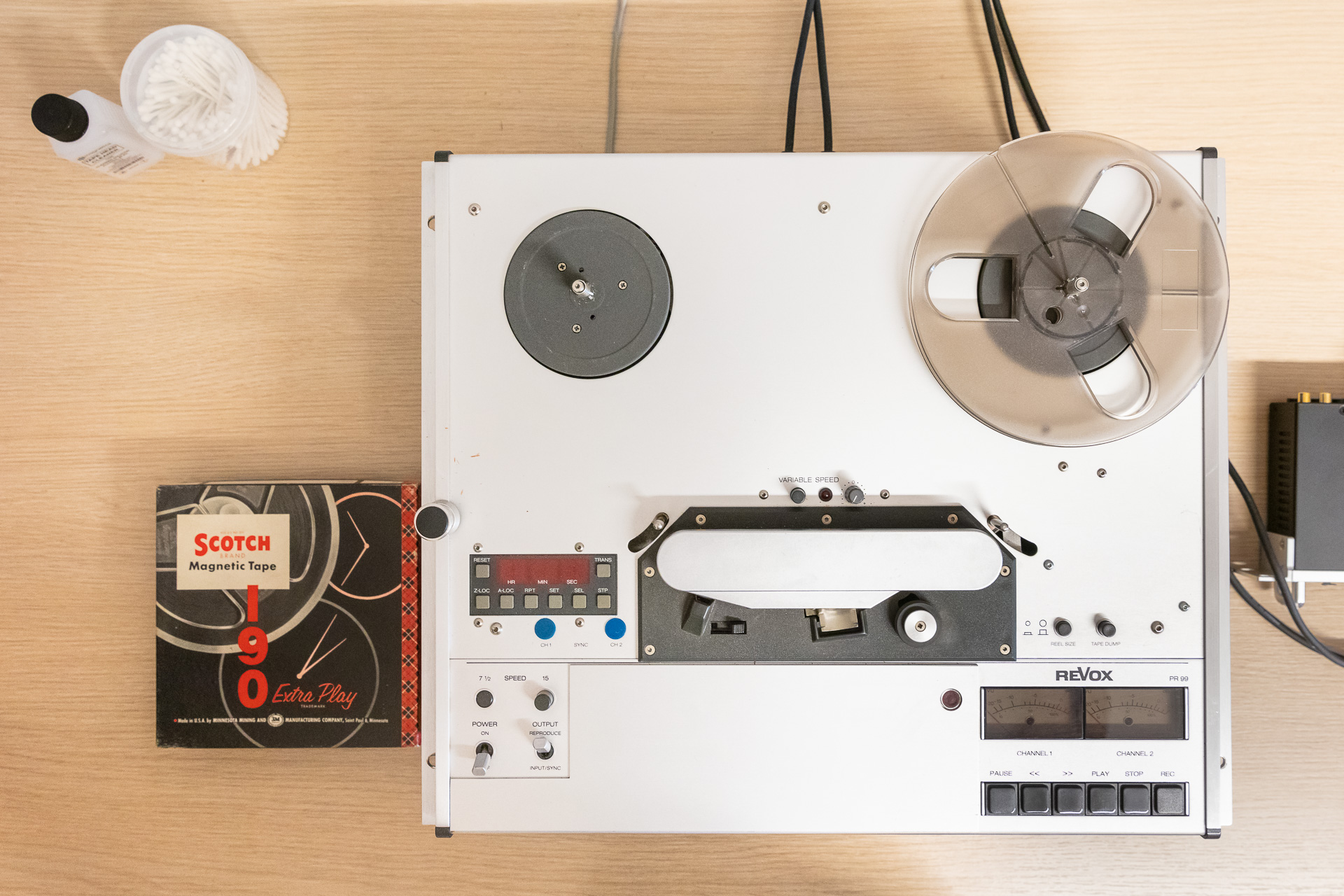
The rich heritage of testimonies and oral sources preserved by the Fondazione Cini (about a thousand tape reels and audio cassettes) documents the presence in Venice of numerous visiting leading figures from the worlds of Italian and international culture and politics. For the specific objectives of the current project, the Fondazione Giorgio Cini has made available four tape reels of a conference held on San Giorgio in 1959, entitled Cinema and Civilisation.


For further information: http://csc.dei.unipd.it/fonti40

http://csc.dei.unipd.it/fonti40en/

https://www.facebook.com/FONTI-40


The collaboration between the Padua Centre for Computational Sonology and ARCHiVe

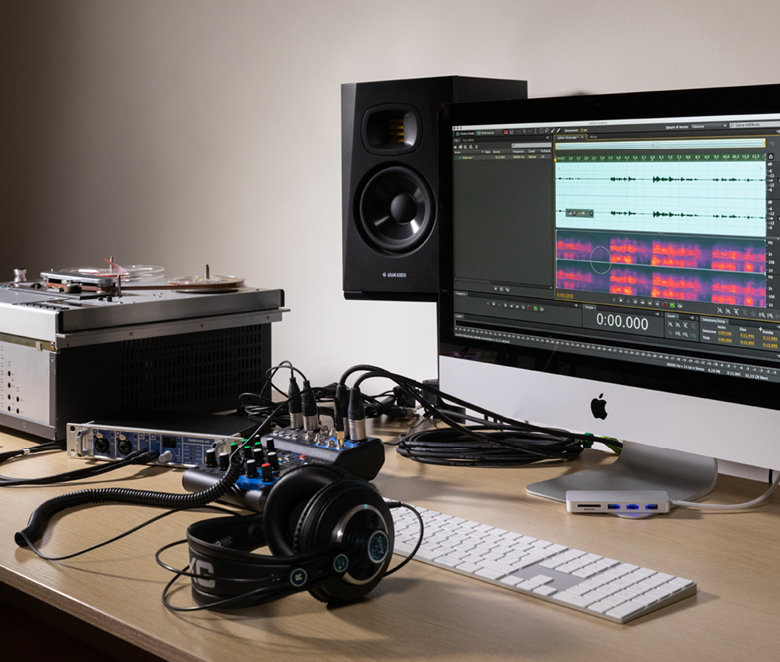
In 2019, the Fondazione Giorgio Cini ARCHiVe Centre asked the CSC to set up the first laboratory for the digitisation of magnetic tapes in the premises of the ARCHiVe Centre on the Island of San Giorgio Maggiore.

The collaboration between the two organisations has also made it possible to organise a specific training course on magnetic tapes (preservation, digitisation and description) for Fondazione Cini staff taught by the CSC. Moreover, in 2020, the CSC took part in AOA – ARCHiVe Online Academy, with a course entirely devoted to the Preservation of historic sound documents.


ARCHiVe Projects

The ARCHiVe Centre is dedicated to the digital acquisition of the cultural heritage on the Island of San Giorgio Maggiore and of materials preserved in institutions in the city of Venice and worldwide (archives, book collections, art works and architectural heritage). It also deals with the analysis and preservation of the files obtained and, lastly, the dissemination of the results to the respective user communities.

These results are possible thanks to continuous research, conducted in the fields of both information technology and humanities studies. The creation and use of software and hardware tools is designed for and subordinate to the scholarly objectives associated with the individual projects or the items being researched: the real mission is to find innovative ways of protecting and using the sources, while respecting criteria of feasibility and sustainability and guaranteeing high quality and security.

Hand in hand with research, ARCHiVe offers its collaborators the opportunity of learning by doing with the aim of furthering knowledge about methods and the potential of the digital revolution for the benefit of young researchers. This process is possible thanks to the coordination between ARCHiVe’s partners (the Fondazione Giorgio Cini, Factum Foundation and EPFL) and other national and international institutions that collaborate with ARCHiVe on joint projects.


In the ARCHiVe laboratories at the Fondazione Giorgio Cini it is possible to digitise and post-produce paper and photographic documents, maps and drawings, works of art of various kinds, three-dimensional items, sound documents and analogue or digital audiovisual documents. The laboratories themselves are the result of experimentation and adaptation to the needs of the material to be digitised and the requirements for particular collaborations.

Given the Foundation’s specific needs for cataloguing and describing archives, the ARCHiVe Centre always works jointly with the Cini Institutes and Centres to guarantee the necessary support in the planning, defining and structuring of digital archives.

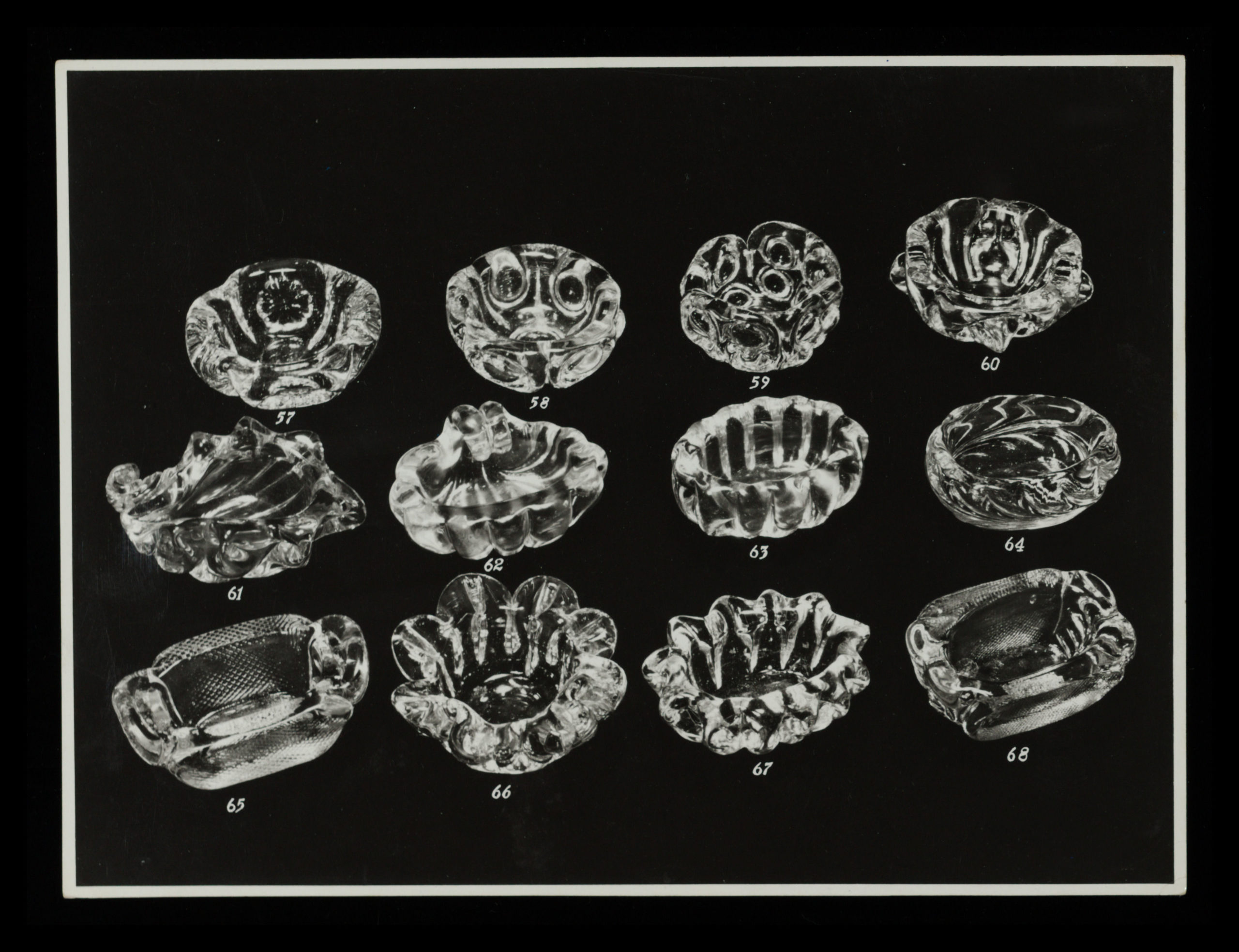
ARCHiVe for the Seguso Vetri d’Arte archive

The historic Seguso glass furnace became a company in 1933, a time of great innovation and plans for manufacturing developments.

The internationally recognised glassworks entered the contemporary art scene and began to export its creations worldwide. Major international museums bought Seguso art glass designed by Flavio Poli, such as the Victoria & Albert, London, the Landesgewerbemuseum, Stuttgart, the Neue Sammlung, Munich, the Royal Ontario Museum, Toronto, and the MoMA, New York.

Sold in 1972, the historic brand returned in 2008 to the Seguso family, which had continued to play an entrepreneurial role in the field of glass production. Seguso thus became one of the craft companies that have made Murano art glass a major artistic tradition in Venice, Italy and the rest of the world.


Donated to the Fondazione Cini in 2012 and held in the Centro Studi del Vetro, the Seguso Vetri d’Arte archive contains thousands of designs documenting the highly varied production of the artists and designers who collaborated with the glassworks from 1932 to 1972.


The corpus held at the Fondazione consists of 22,044 working drawings and sketches, 25,296 photographs and around 30 production catalogues divided between showroom catalogues (7 volumes, 1939-1971) with drawings of individual hand-made models, lighting production catalogues (19 volumes) and the Barbier order catalogues (5 volumes).

These precious materials have been ordered, described and digitised by the Glass Study Centre in the ARCHiVes laboratories and are available online together with the other digital archives of the Centro Studi del Vetro. ARCHiVe collaborated in the project by training the Centro Studi staff in the digitisation and post-production of the items; ARCHiVe also supported the Centro Studi del Vetro in the choices involved in the archival description of the collection.

Click here for the Seguso Vetri d’Arte online archive.


The main challenges during the digitisation phase were not only due to the great variety of the materials but also the types and material specificity of the items, especially delicate drawings.

During the photographic acquisition of the drawings, the effectiveness of the suction worktop was tested, a tool used in the ARCHiVe laboratories to smooth the materials in a controlled way, in order to reduce folds and creases and improve the readability of the documents for the duration of the shot.

Post-production also posed an interesting challenge for ARCHiVe staff: develop scripts to crop files automatically for the purpose of working with drawings on thin, semi-transparent paper or with irregular edges.

The scholarly coordination is managed by the Fondazione Cini Institute of Art History.

ARCHiVe for the Ulderico Rolandi Archive

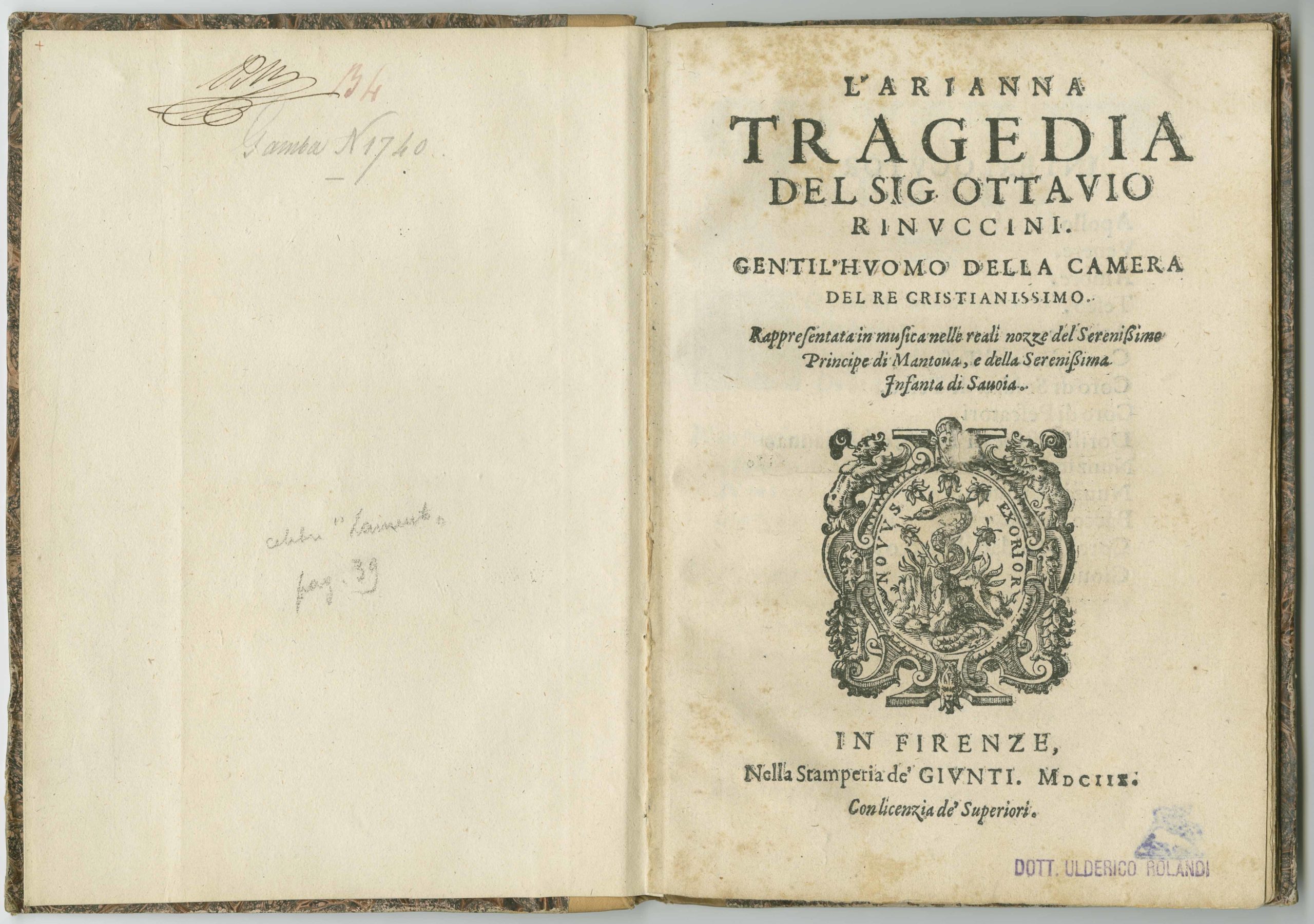
Ulderico Rolandi (Rome, 23/07/1874 – 03/12/1951), a gynaecologist by profession, was also a critic and collector, actively involved in music studies.

In 1893 Rolandi bought a small group of librettos, which formed the basis of a vast collection that he continued to add to until his death: a total of about 21,500 printed, manuscript or typescript librettos from the 16th to the 19th centuries, and various special editions.

After his death, his heirs looked after the collection until 1957, when negotiations began for its donation to the Fondazione Cini, conducted by Vittorio Cini himself, assisted by Vittore Branca. That same year the Rolandi collection became part of the collections in what was then called the Institute of Literature, Music and Theatre. Today the Rolandi librettos are housed in the Foundation’s Institute for Theatre and Opera.

Over the years, the collection has been the subject of various development projects. Catalogued in the National Library System (SBN), thanks to the A.CO.M. project (1987-1990), an initial selection was digitised in the Echo project (2005-2008). Today, this selection can be consulted in the Institute’s digital library.

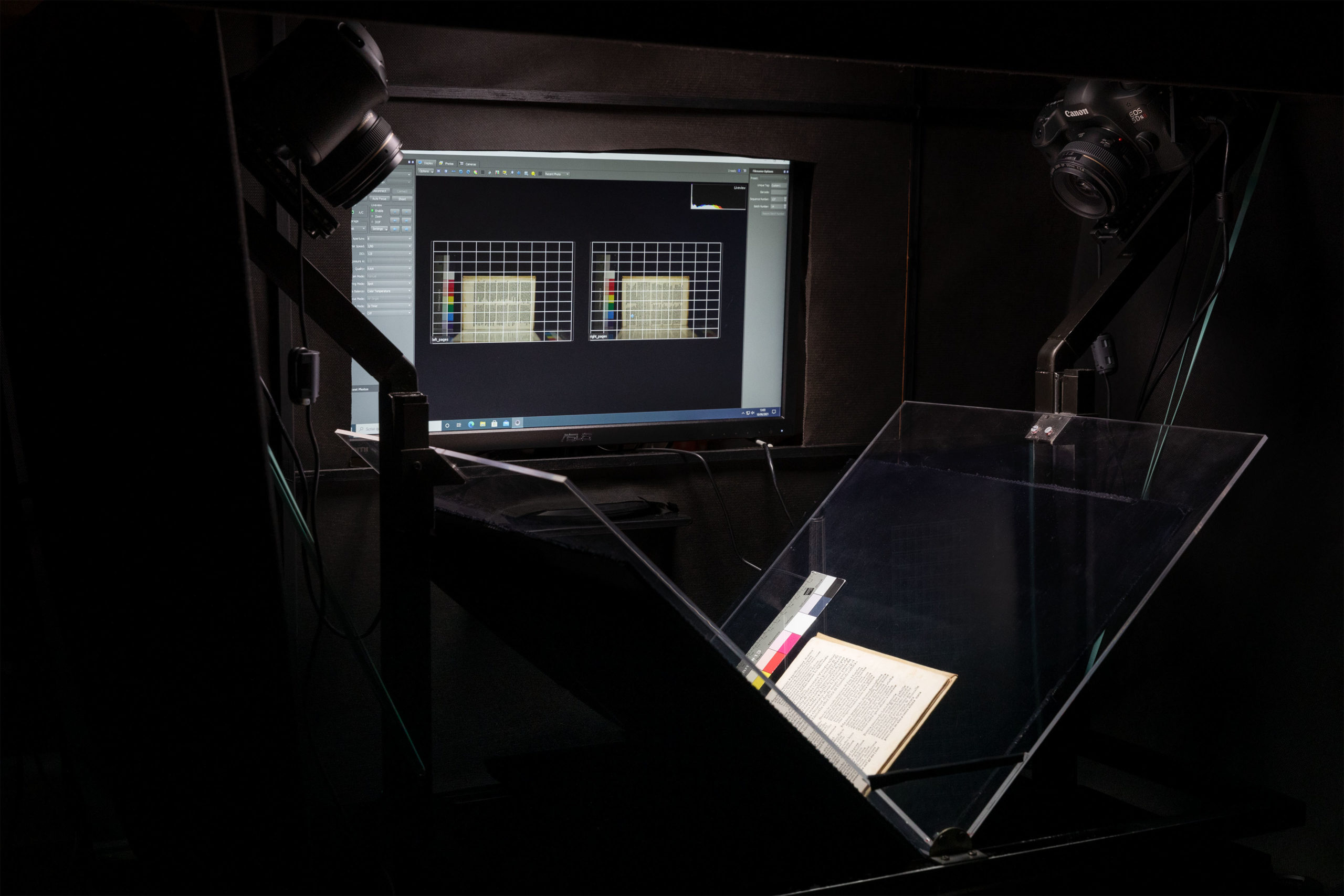
The ARCHiVe Centre is currently working with the Institute on the digitisation of the librettos and the preparation of the acquisition files ahead of their online publication. The digitisation at ARCHiVe laboratories makes use of a V scanner (a photographic acquisition tool for bound items) and a software application capable of metadating files during the digitisation phase, inserting not only management metadata, but also descriptive metadata concerning the cartulation and providing the possibility to indicate through tags information such as the presence of engravings, a spine, covers, etc.

In addition to librettos, the Rolandi Archive includes a thematic library and a collection of music scores, playbills, prints and portraits of composers, musicians, singers and personalities from the world of music. These items can be consulted in the Institute of Theatre and Opera Digital Archive.

The scholarly coordination of the project is managed by the Institute of Theatre and Opera.

ARCHiVe for the Alain Daniélou Archive

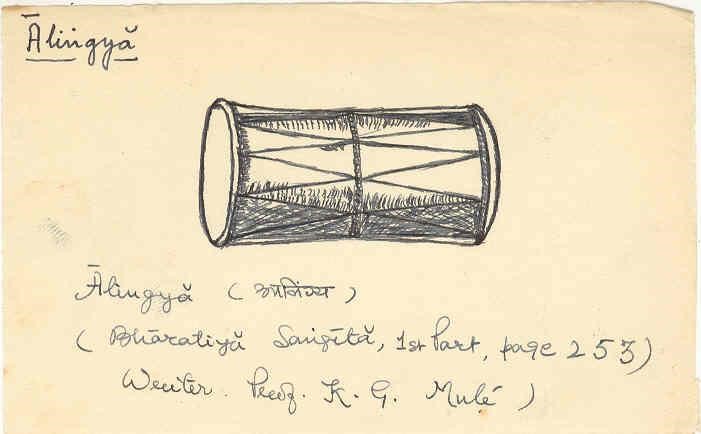
Alain Daniélou (Neuilly-sur-Seine, 04/10/1907 – Lonay, 27/01/1994) was a historian of religions, orientalist, a great expert on India and a scholar in the field of music. He left his archive to the Fondazione Giorgio Cini in 1971. The materials are now held by the Foundation’s Intercultural Institute of Comparative Music Studies (IISMC), an institute Daniélou founded in 1969, in association with the International Institute for Comparative Music Studies and Documentation in Berlin (1963).

Devoted to Indian music, philosophy, arts and religions, the archive consists of over 300 manuscript copies of Sanskrit treatises on music, the transcriptions having been made by Daniélou and his collaborators to bring together the most important texts on Indian musicology from various libraries in India. The archive also contains around 300,000 catalogue entries concerning Indian music, philosophy and culture, with annotations, bibliographical references and drawings.

Most of the manuscript works can already be consulted in the IISMC digital archive.

A project for the automatic transcription of manuscript texts in Sanskrit, Hindi and English, currently underway, has been carried out by ARCHiVe researchers. Using Transkribus software and machine learning scripts, they train models for automatic text transcription. The aim is to make available to scholars the transcription of the sources, which will then be searchable in the digital archive, making them easier to read and study.

Previously transcribed and digitalised catalogue entries will function as hypertexts containing links to the sources cited.

The Fondazione Cini and the ARCHiVe Centre were among the first in the world to apply Transkribus automatic manuscript transcription software to Sanskrit and Hindi.

The scholarly coordination is managed by the Intercultural Institute of Comparative Music Studies.

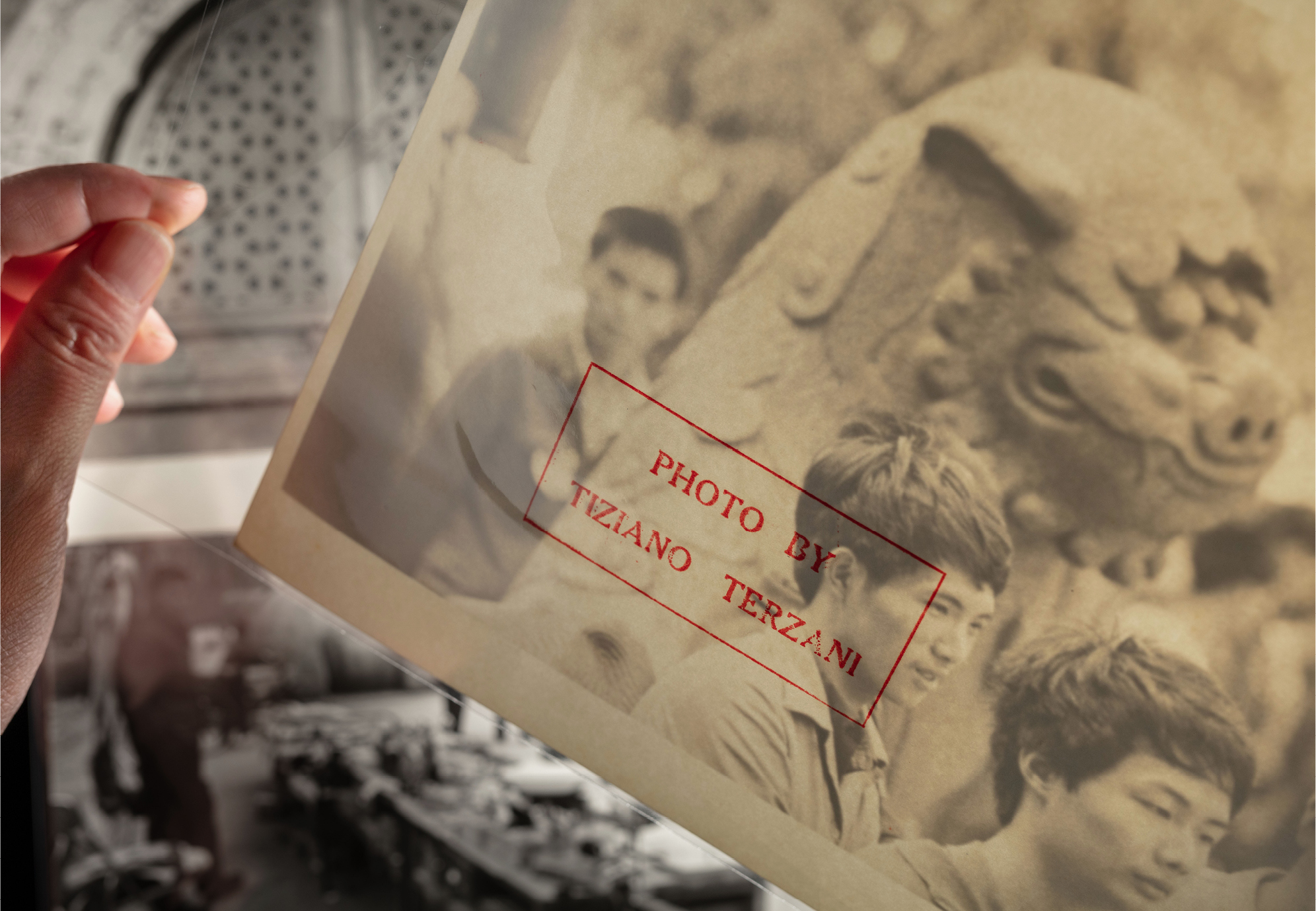
ARCHiVe for the Tiziano Terzani Archive

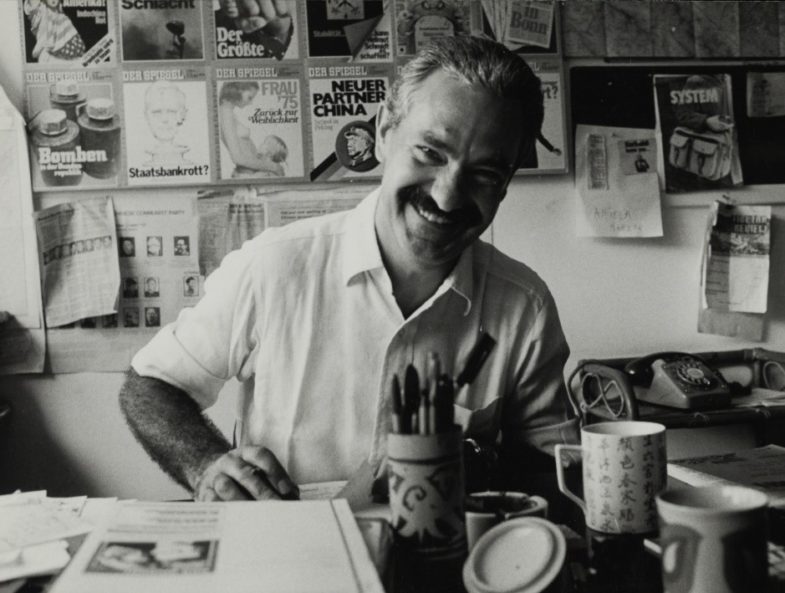
Tiziano Terzani (Florence, 14/09/1938 – Orsigna, 28/07/2004) was an Italian journalist and writer. A profound connoisseur of the Asian continent, he first landed there in 1965, sent by Olivetti. He collaborated with several newspapers, including Der Spiegel, Il Giorno, L’Espresso, Il Messaggero, La Repubblica and Corriere della Sera. From his professional experience came the inspiration for his books, which were published all over the world.


After his death, first the personal library (2012) and then the archive (2014) were donated by the Terzani family to the Giorgio Cini Onlus Foundation and preserved by the Foundation’s Center of Comparative Studies of Civilization and Spirituality.


The objectives of the project, carried out by the Study Center jointly with the ARCHiVe Center, are the reorganization, archival description, securing and conditioning of the materials in the collection, as well as the digitization of a part of them – both the material of greatest interest for consultation purposes and the material in problematic condition from a conservation point of view.


ARCHiVe then collaborated also in the online publication of the Terzani fund by making the materials available in the digital archives section of the Foundation’s website, where it is possible to consult the entire described fund and part of the digitized original documents. Prominent among these is the collection of photographic positives, a priceless testimony that counts some 8,600 photographs taken during his travels. Together with more than 70,000 negatives – not yet digitized – these images, a mirror of cultures, countries and epochal changes, represent the iconographic counterpoint to Terzani’s writings preserved at the Cini Foundation.

The archival description of the fund is constantly being expanded: in fact, the Center for the Study of Comparative Civilization and Spirituality is deepening the description of the correspondence. Advances will be visible online, so the fund page should be considered constantly updated.

Terzani’s library, on the other hand, has been cataloged on the National Library System (SBN) by the Foundation Library staff.