Institute of Comparative Music Archives - Fondazione Giorgio Cini

Eyes on Music – online workshops

The event is part of a broader initiative called Sguardi Musicali: audiovisual ethnomusicology projects, launched in 2018 by the Intercultural Institute of Comparative Music Studies of the Giorgio Cini Foundation in Venice with the aim of promoting training and support for production in the field of audiovisual ethnomusicology.

Marco Lutzu and Simone Tarsitani continue their workshops focused on presenting and discussing topics in the field of audiovisual and multimedia ethnomusicology. This year, the project includes a new series of online workshops, each focusing on an area of technical, theoretical and methodological interest in the field of audiovisual media for ethnomusicological research.

Registrations are open for the first online workshop Eyes on Music 2026.

7 May 2026 – 15:00-18:00 | Registrations open
plus

Exploring Audiovisual Archives in Ethnomusicology

Guest speakers: Daniele Zappatore (Università di Roma La Sapienza) and Lorenzo Chiarofonte (Università di Bologna)

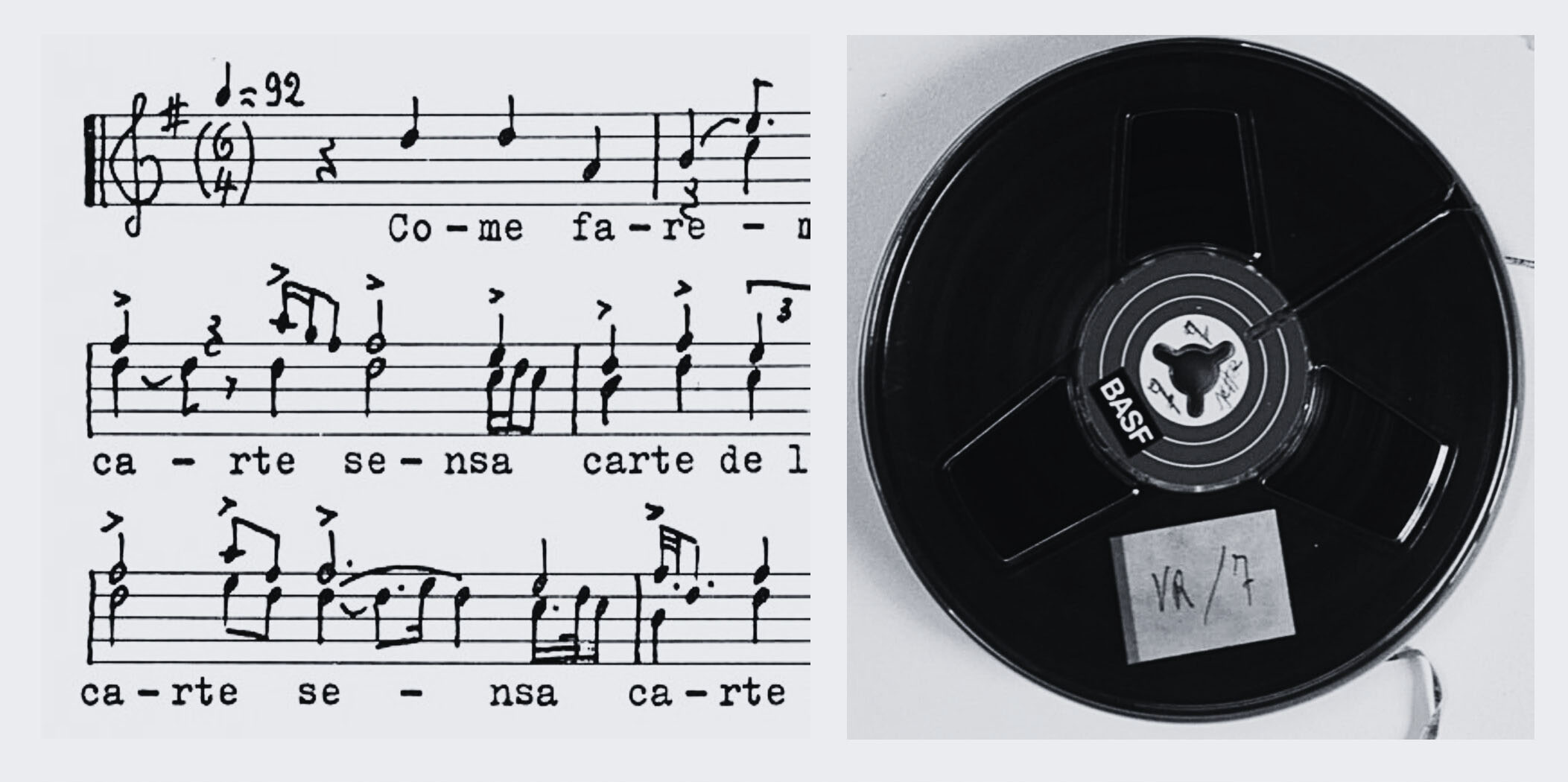
This workshop explores the role of audiovisual archives in ethnomusicological research, with particular attention to their potential as sources for analysis and dissemination. Bringing together different perspectives, the session will open with an overview of the current state of audiovisual archives of ethnomusicological interest in Italy, and will then address a range of topics including the use of archival materials within the project Listening Guides to World Music developed at the IISMC.

The workshop will also reflect on issues of access, cataloguing, and reuse of archival materials, with a focus on television archives and on collections developed within the framework of research projects. Through selected case studies, the session aims to highlight both the opportunities and the critical challenges involved in working with audiovisual archives in contemporary ethnomusicology.

2 July 2026 – 15:00-18:00
plus

Diego Carpitella Fellowship – Presentation of current film productions in progress

Diego Carpitella Fellow 2025-2026: Nicola Renzi | Advocate of Yoik

The film follows the life journey of Ánde Somby—Sámi jurist and custodian of the yoik tradition. A biocultural heritage shared between the Sámi and their ancestral land, yoik represents a powerful expression of advocacy for multibeing justice. The film title refers not only to Somby’s professional background in law, but also to the Latin root “advocare”: to use one’s voice to carry aid on behalf of others. Yoik embodies this act of advocacy—a Sámi mode of voicing with and for beings whose claims, agency, and existence are unheard and increasingly threatened by settler colonial governance and extractive regimes.

Diego Carpitella Fellow 2026-2027: winning project to be announced in June 2026.

10 September 2025 – 15:00-18:00
plus

Ambisonics: Theory and Practice from Field Recording to the VR Headset

Guest speaker: Giovanni Cestino (LEAV – AudioVisual Ethnography Lab, Università di Milano)

Ambisonic recording has only recently become an accessible technique in ethnomusicology. Despite its flexibility in editing and output, the specific skills and technical understanding required for recording and post-processing have limited its wider adoption in research and dissemination. The workshop will offer a technical introduction to the ambisonic format, covering equipment options and basic editing strategies for beginners. Selected materials from case studies in ethnomusicology and acoustic ecology will be provided for a dedicated hands-on session. Particular attention will be given to output formats, with a focus on the use of ambisonic recordings as spatial audio for 360° video.

The examination of technical aspects will be complemented by critical reflections on the potential roles of ambisonics in sound analysis and documentation, as well as in the broader discourse on technological mediation and immersivity.

Send an email to [email protected] to confirm your participation by May 5th in order to receive the Zoom link to join the event.
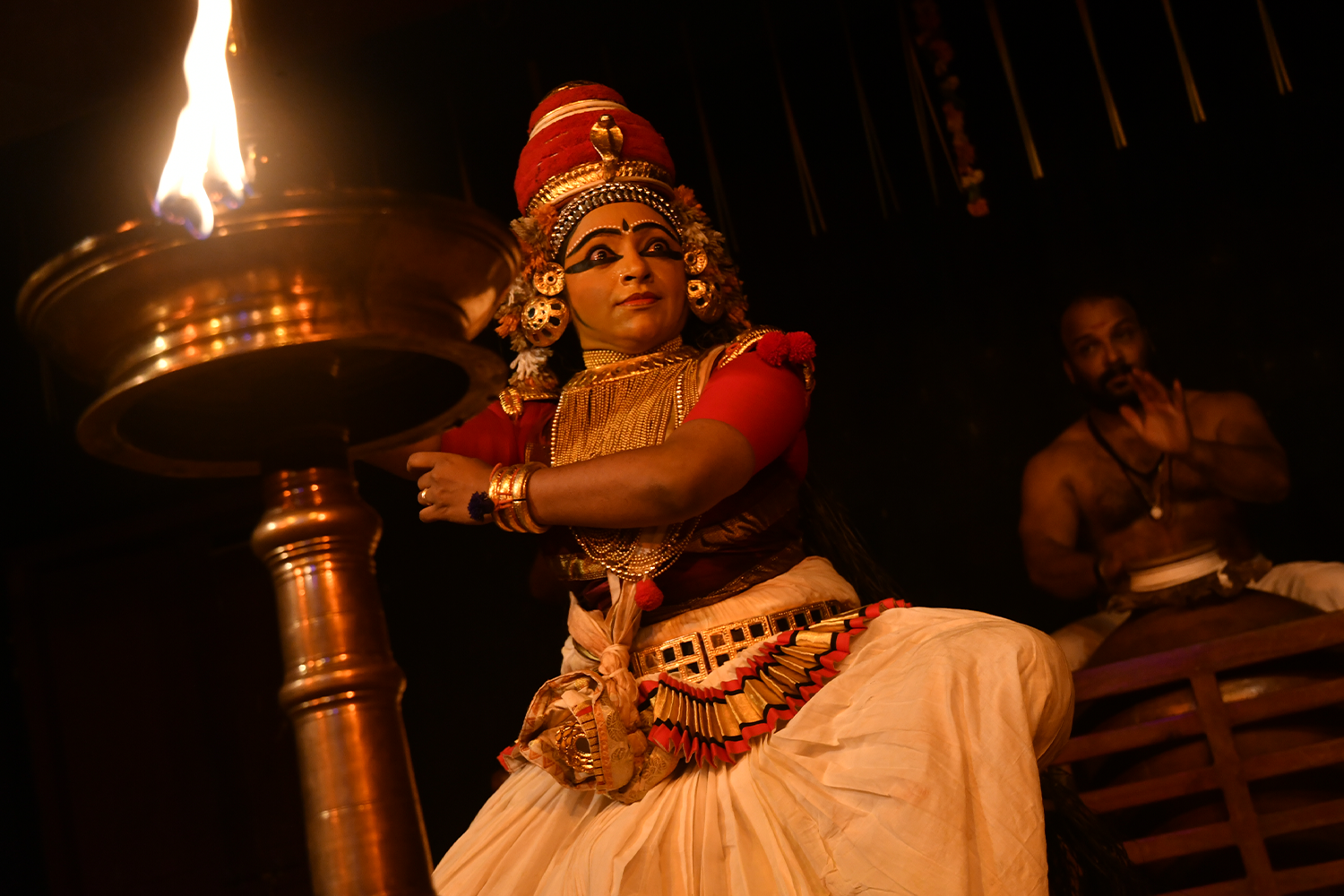
Kapila Venu. Pārvatīviraham

The performance is organized by the Intercultural Institute of Comparative Music Studies and is part of an Italian tour conceived and promoted by Sapienza University of Rome as part of the research project: “TEXT_ACT. TEXTs living on stage: goddesses, queens, and courtesans from Sanskrit theater to the ACTresses of present-day Kutiyattam”. In addition to Venice (Giorgio Cini Foundation) and Rome (Nuovo Teatro Ateneo), the tour includes stops in Bergamo (Teatro Tascabile) and Palermo (Antonio Pasqualino International Puppet Museum).

Kapila Venu is an internationally renowned performer of Naṅṅyār-kūttu and Kūṭiyāṭṭam, which in 2001 became UNESCO Intangible Heritage.

The traditional actress of Kerala is NaṅṅyārNaṅṅyārs are not really dancers and have a very long lineage. Mythologically, we can trace our lineage back to Ghṛtācī, an apsaras, a divine performer, who was sent from heaven. This is very unique because we are still a living tradition and there are not many traditions of female actresses that are so strong around the world.

In Kūṭiyāṭṭam the Naṅṅyār plays specific characters. Kapila Venu will present at the Fondazione Giorgio Cini the Pārvatīviraham, one of the most iconic piece in the Kūṭiyāṭṭam repertoire, traditionally performed by her guru Ammannūr Mādhava Cākyār.

It has been performed exclusively by male actors for centuries. The female version is presented by a woman telling the story of this dynamic of the husband, the wife, and the other wife. Definitely, when a woman performs this sequence, the woman’s empathy for the female characters that appear in the story brings a significant shift in approach. It is the same sequence but there is a difference in nuance. The bhāva, the flavour, is very different.

“Nowadays, because art must reflect the changing times that we live in, I think that women are reclaiming an equal space in the world as well as on stage”.  Kapila Venu

[accordion][/accordion]
[accordion_entry title=”Opening hours and access procedures”]

Free entry subject to availability

[/accordion_entry]
[accordion][/accordion]

Sound Archives amid memory, restitution and new cultural processes

On the occasion of the publication of all the sound recordings in the digital catalogue of the Veronese nucleus of the Conati-Camellini Fonds, the Institute is organising a round table dedicated to the theme of the protection and enhancement of sound archives of ethnomusicological interest. The reflections focus on the framing of the real and potential roles of sound archives of traditional music in the cultural processes of the present and the near future. Analysing the cataloguing model adopted by the Institute for the description of the Conati-Camellini Fonds, the discussion also focuses on methodological issues, such as the identification of effective and sustainable strategies for the online cataloguing and dissemination of this type of source online.

Global Music Production in Times of Longevity: Aesthetics, Markets, Technologies, New Professional Competences and Transmission of Knowledge

Deadline 30 June 2026


An event organised by the Intercultural Institute of Comparative Music Studies, Fondazione Giorgio Cini and supported by Griffith University, Brisbane, the University of Exeter, UK and the University of Colorado Boulder.

The conference will bring together scholars from interdisciplinary perspectives: musicologists, ethnomusicologists, popular music scholars, sociologists, experts in music and well-being, specialists in neuroscience applied to music, anthropologists, musicians, and cultural activists. Extensive research in music psychology, historiography, and aesthetics demonstrates how musicians and music-makers can experience a more active later life, enhanced psychophysical well-being, and greater creative freedom and innovation. This meeting aims to investigate how demographic change shapes musical production from concerts to media, how demographic change from “nostalgia” effects to the persistence of musical practices over time, how it leads to the development of new sound production, communication technologies and creates new professions. Understanding different adaptation strategies and cultural policies through intercultural comparisons – for example, in China, Japan, the Amazon rainforest, sub-Saharan Africa, and not only in the Western world – can help us understand how societies engage with global population aging and what role sound and music play (and can play) in these processes.


Abstracts and Texts

An abstract of 150-200 words with 3-5 keywords and brief biographical note (max. 100 words) should be submitted in English by the 15th June 2026 to [email protected]. A notification of acceptance will be forwarded by end of July.

The deadline for submitting proposals for the conference “Global Music Production in Times of Longevity: Aesthetics, Markets, Technologies, New Professional Competences and Transmission of Knowledge” (IISMC, Fondazione Cini, Venice) has been extended to 30 June 2026
Timetable

Abstracts (200 words maximum) and biographical note to be received by 30 June 2026.
Notifications of acceptance will be given by end of July 2026.
The conference will be held 10-12 November 2026.

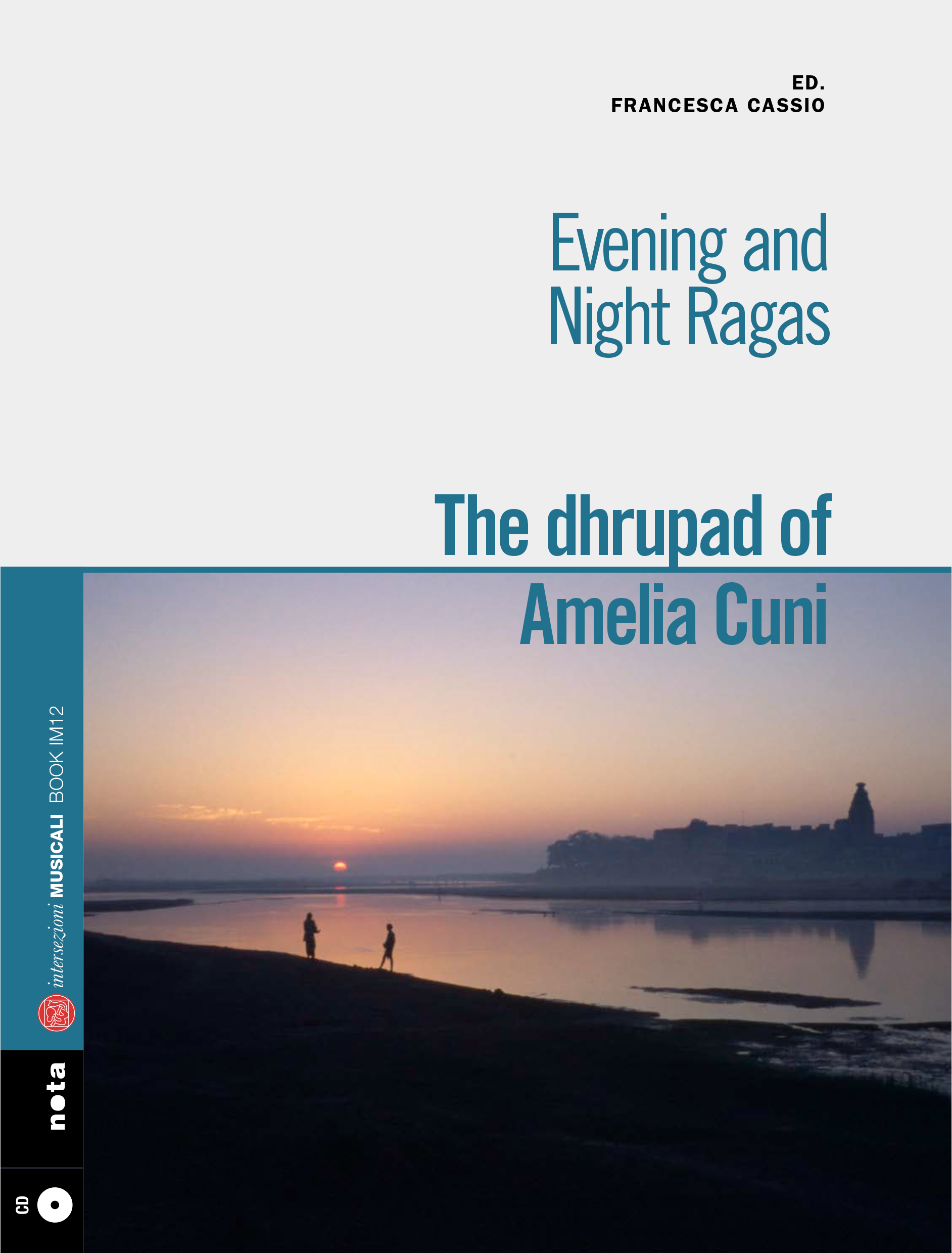
Evening and Night Rāgas. The dhrupad of Amelia Cuni

Singer and composer Amelia Cuni (1958-2024) was the first European woman to pursue a professional career in the male-dominated field of dhrupad, a music genre rooted in the temple and court traditions of pre-modern South Asia. Cuni’s pioneering work not only continues to inspire generations of Westerners but also gave dhrupad a contemporary orientation, also influenced by her experiences with avant-garde music.

This CD book, twelve edition of the editorial series “Intersezioni Musicali” edited and curated by the Intercultural Institute for Comparative Music Studies is a sonic and written tribute to the artist who recently passed away. The volume includes a recording of a concert that Amelia Cuni performed in Venice in 2000, along with a text by Giovanni Giuriati that describes the long-standing role of the Institute (IICMS) of the Fondazione Giorgio Cini in fostering South Asian music and dance traditions. This publication is complemented by Francesca Cassio’s essay on dhrupad, which helps situate Amelia Cuni’s biography and recordings in the specific historical and musicological contexts. The audio tracks on the CD can also be accessed through the QR code in the book or on the publisher’s website.

Francesca Cassio, ethnomusicologist, is Full Professor at Hofstra University, Long Island, United States, where she also serves as the Sardarni Harbans Kaur Chair in Sikh Musicology. She has conducted extensive ethnographic research in India, focusing on the Dāgar and Gurbānī dhrupad traditions, of which she is also an accomplished performer. Author of a monograph on dhrupad, Cassio has published several essays on the musics of the Indian subcontinent from the precolonial traditions to those of the contemporary diaspora.

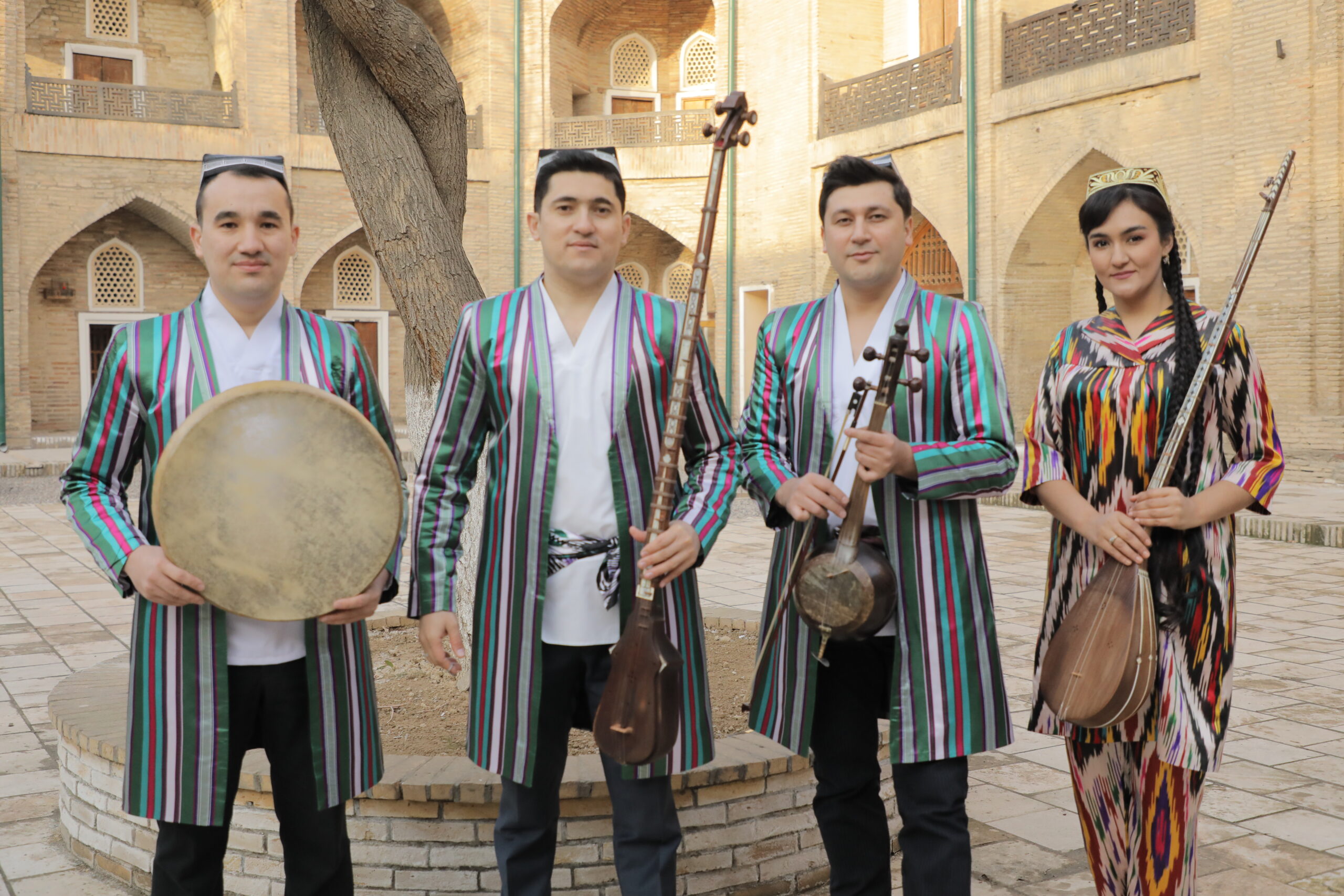
Ilyos Arabov Ensemble: Shash Maqom, art music tradition between Bukhara and Samarkand since 16th c.

On March 4, 2026, in the Sala degli Arazzi of the Giorgio Cini Foundation, the third concert conceived by the UKRI maqām beyond nation study group will take place. This event is a partnership between the University of London, SOAS, and the Ca’ Foscari University of Venice, Department of Philosophy and Cultural Heritage.

The concert is dedicated to the tradition of art music known as shash maqom (“six maqoms”), which developed among the cultural centers of Bukhara, Samarkand, Khiva, and Andijan since the 16th century.

The ensemble, making its debut in Italy, is composed of:

Ilyos Arabov, voice, dutor lute
Vosidjon Mahmudovghijak fiddle
Farangiz Makhmudovatanburrubob lutes
Nasimkhon Muzaffarov, frame drums (daf, doire), percussion
Dilorom Madrakhimova, dance

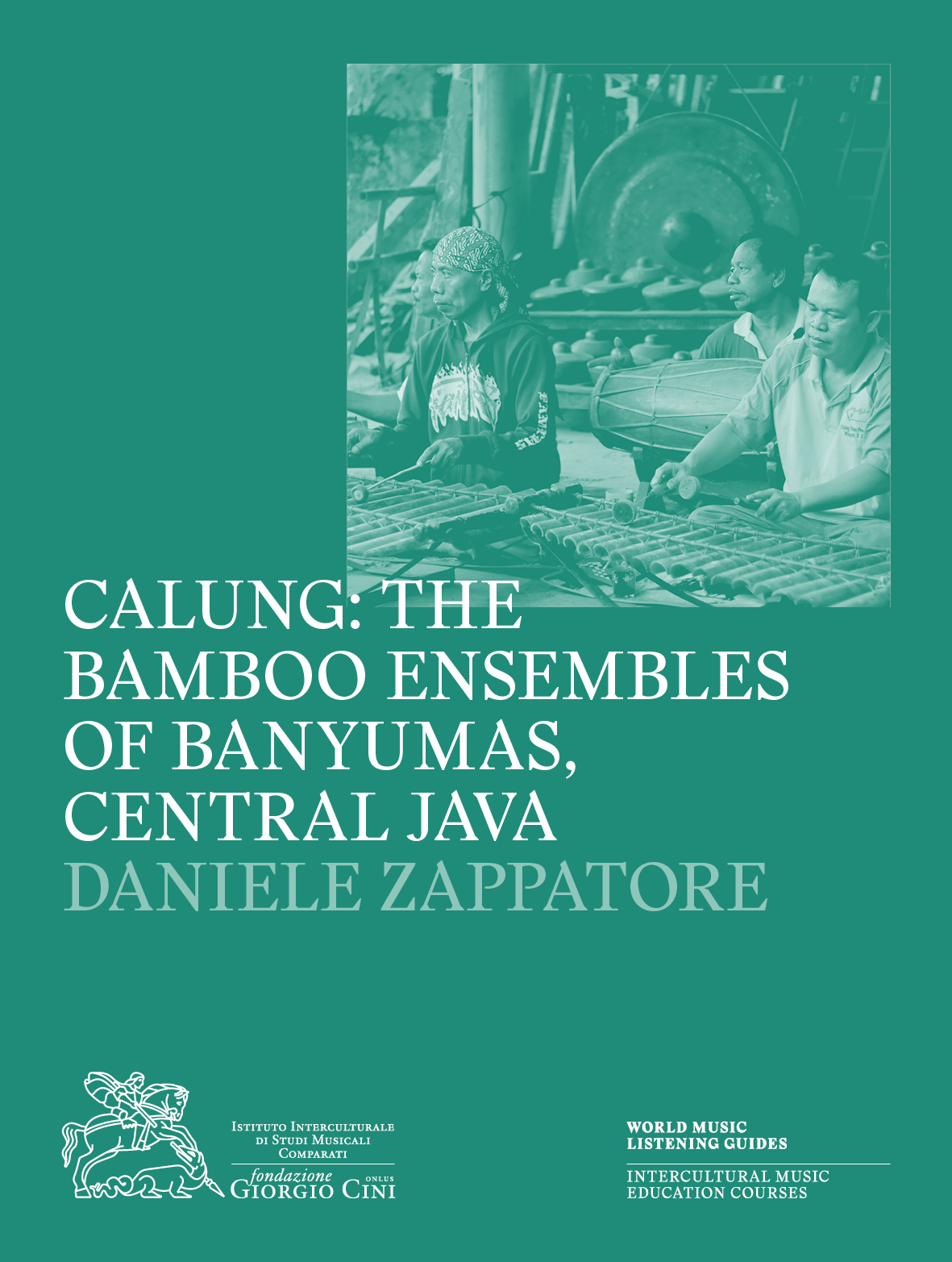
Calung: the Bamboo Ensembles of Banyumas (Central Java)

Fifth edition of the editorial series World Music Listening Guides. Intercultural Music Education Courses, the guide Calung: the Bamboo Ensembles of Banyumas (Central Java), created by Daniele Zappatore, is devoted to the music of Javanese calung ensembles of tuned percussion instruments. The audiovisual materials it presents were collected during the event Music and dance from the borders of Java. Calung-Lénggér Banyumasan, organised by the IISMC in 2024. With the aim of situating the practice of calung music within the broader panorama of Javanese arts, the contents are organised to highlight the distinctive features of this musical tradition – from its close connection with the ritual dance lénggér to a description of the principles that guide its lively and dynamic performance practice. From a perspective that recognises how musical knowledge is grounded in technical and material expertise, the description of the roles of the various instruments in the ensemble is accompanied by a short video documentary – based on field materials collected by the author – which illustrates the processes of constructing and tuning the bamboo instruments. The roles and functions of the instruments in a calung ensemble are illustrated in an first multimedia animation, which demonstrates the musical principles underlying performance through the integration of video and transcriptions in Javanese cipher notation (kepatihan). Two further video animations explore the performance techniques that characterise the sound of the gambang xylophones, the main melodic instruments of the ensemble: through video and real-time transcriptions, they present the workings of rhythmic-melodic interlocking (imbal) and the advanced techniques of melodic ornamentation (gambangan and onelan) on the two xylophones.

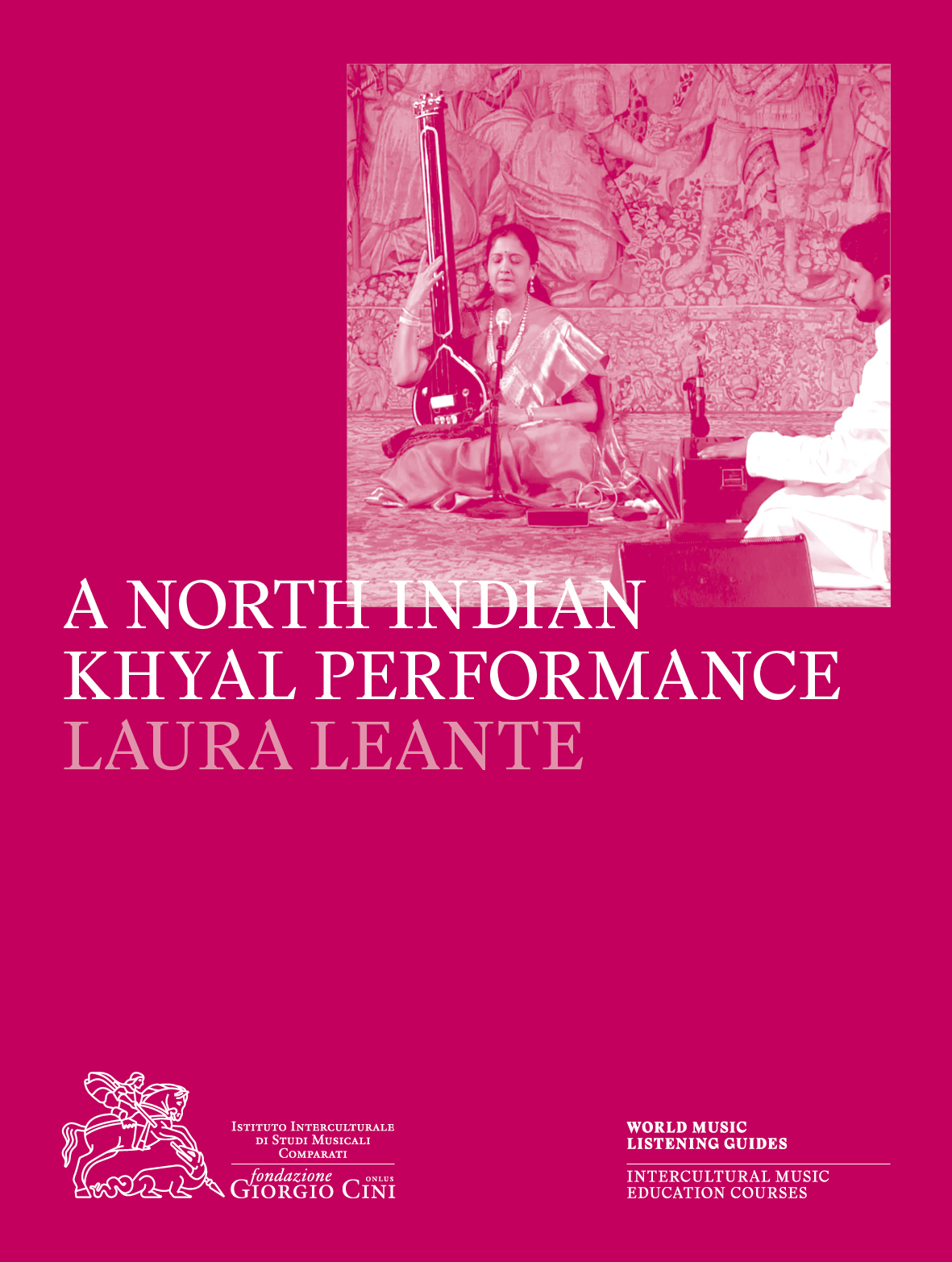
A North Indian Khyal Performance

Fourth edition of the editorial series World Music Listening Guides. Intercultural Music Education Courses, the guide A North Indian Khyal Performance, created by Laura Leante, is dedicated to Hindustani khyal singing and to the music that accompanies its performance. The audiovisual materials presented here were recorded during the event Indian Music with Manjiri Asanare Kelkar: Khyal Singing, organised by the IISMC in 2023. The event featured the internationally renowned khyal singer Manjiri Asanare Kelkar, accompanied by two highly experienced musicians: Nitin Ware on tabla and Dnyaneshwar Sonawane on harmonium. The performance was documented by Simone Tarsitani using a multi-camera setup, synchronised audio recordings, and photographic footage. These materials were later reworked into multimedia animations, forming the core of this guide. Trained by her father, the distinguished tabla player Anand Asanare, by the refined Jaipur gharana exponent Madhusudan Kanetkar, and finally by the celebrated vocalist Kishori Amonkar, Manjiri combines a profound knowledge of the khyal repertoire with rare musical sensitivity and remarkable technical precision. Her melodious voice and creative originality make her one of today’s foremost interpreters of khyal. In order to illustrate the complexity of a khyal performance, the materials are organised to present, step by step, the main features of Hindustani khyal music and singing, starting from its theoretical foundations. After an overview of the historical development of this courtly genre and an introduction to the instruments that make up the ensemble, a series of graphic animations introduces some of the key elements of Hindustani musical theory: scale degrees (svara), melodic structures (raga), and rhythmic cycles (tala). Understanding these concepts is essential to grasp the choices made by musicians as they organise and shape the musical material during performance. Using the rendition of a particular raga as reference, the video animations show how the different members of the ensemble contribute collectively to the unfolding of the piece, highlighting the interdependence between the voice, melodic instruments, and rhythmic parts. Particular attention is devoted to the essential dimension of khyal – the vocal one. Through a series of animations, the melodic development is illustrated, along with the crucial role played by the relationship between text and music in shaping the interpretative decisions that give form to the performance.

Cuban Santería Music

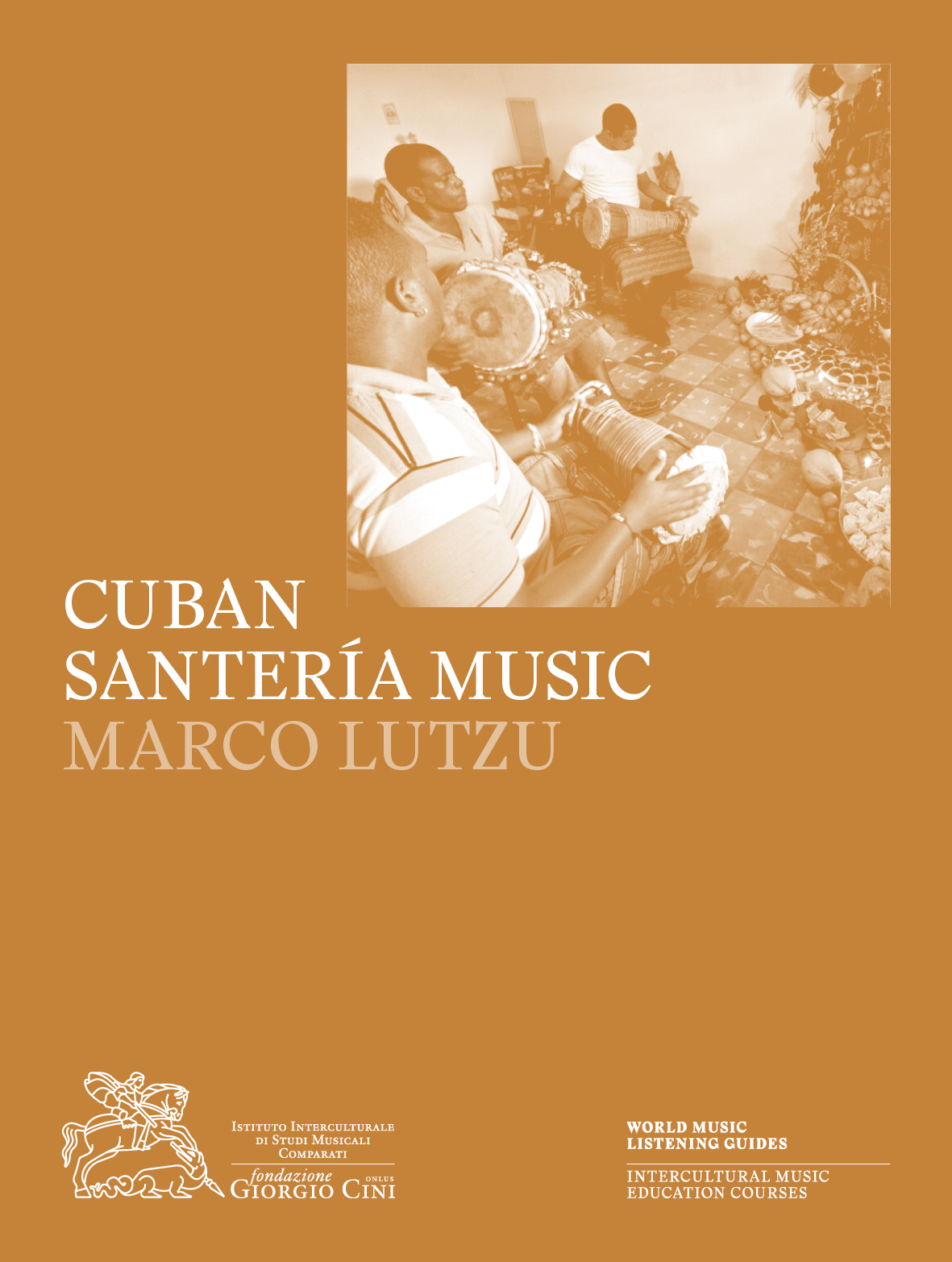
Third edition of the editorial series World Music Listening Guides. Intercultural Music Education Courses, the guide Cuban Santería Music, created by Marco Lutzu, explores the role of the rhythms of the batá drums in ceremonies for invoking the orichas, the deities of the Santería religion. The audiovisual materials presented in these pages come from recordings made during the event Batá drums in the Cuban Santería, organised by the IISMC in 2016 as part of the series Music and rites, and are supplemented by additional recordings and images collected by the author in the field. These materials are here reorganised and presented in the form of video animations, which constitute the central element of the guide. The materials are arranged to alternate between different perspectives, offering a comprehensive overview of the religious practice, the musical instruments, and the role of music. Following an introductory section, which traces the origins and characteristics of the Afro-Cuban religion of Santería and outlines the main figures of the oricha pantheon, the batá drums immediately take centre stage: a short ethnographic video documentary illustrates the various stages of their construction and the significance they hold in religious practice. In the worship of the orichas, the rhythms of the batá drums are accompanied by singing and dancing, which play a necessary role in the ritual (Toque de santo) to invoke and call upon the deities. Two video animations respectively depict the long introductory instrumental sequence (orun seco), composed of rhythmic formulas performed on the drums and dedicated to the different orichas, and the short songs performed during the central stages of the ceremony (orun cantado). Finally, three multimedia animations analyse the intricate polyrhythmic patterns of the batá drums, describing the transitions between different formulas, the ‘conversations’ between the various instruments, and the improvisatory practice. These aspects are presented using a transcription system that allows the viewer to visualise the development of the rhythmic sequence in its various articulations.

Canto a lo poeta. Guitarroneros and Poet-Singers of Central Cile

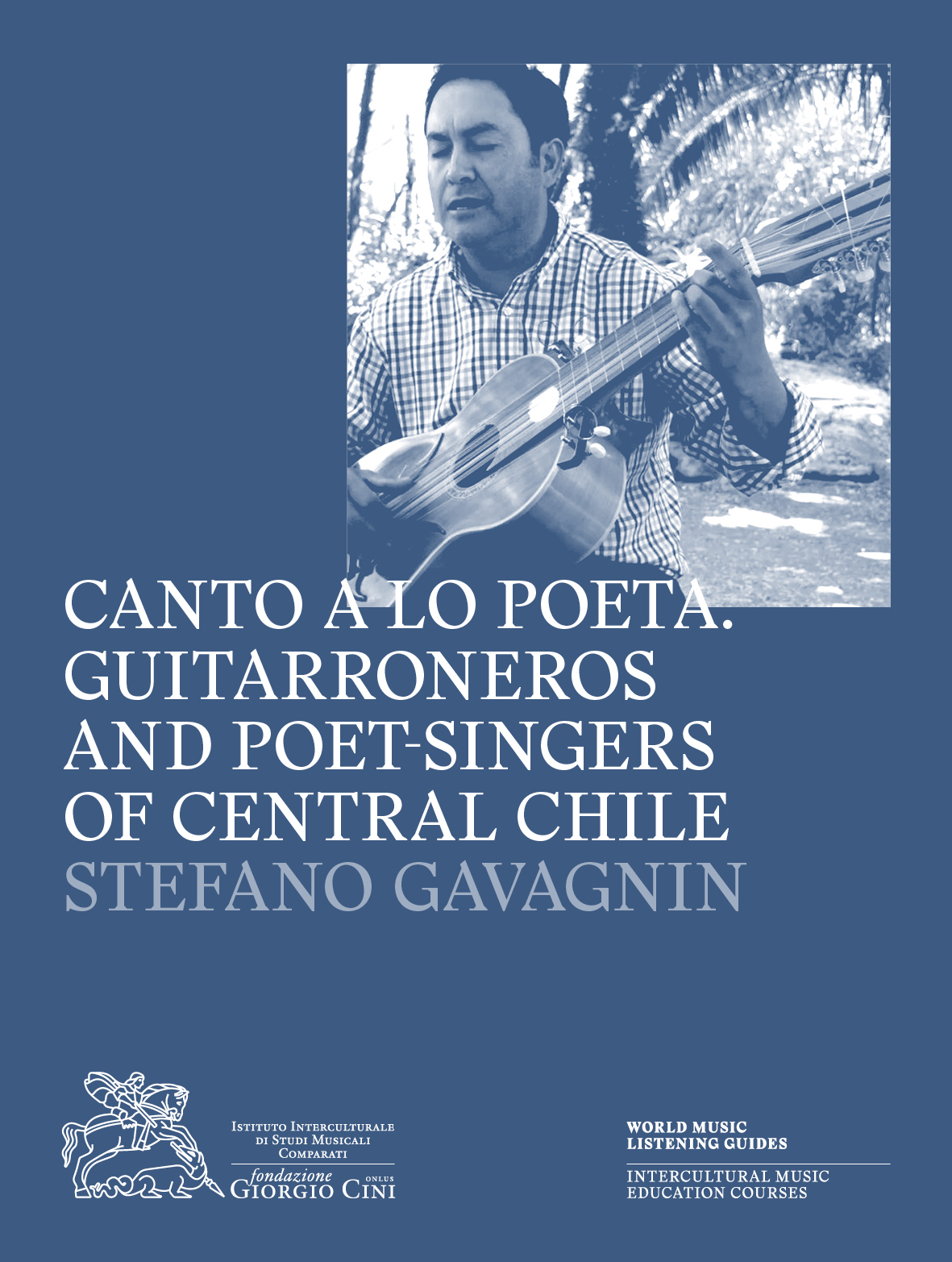
The second edition of the editorial series World Music Listening Guides. Intercultural Music Education Courses, the guide Canto a lo poeta. Guitarroneros and Singers from Central Chile, by Stefano Gavagnin, is dedicated to the vocal and instrumental repertoires of Chilean canto a lo poeta. The materials it comprises were collected during the recording for the fourth edition of Zoom in on Masters (IISMC), published online in 2021 and devoted to the guitarroneros and singers of Central Chile. Its realisation was made possible thanks to the valuable contribution and generous collaboration of the singers Erick Gil and Roberto Carreño, as well as the ethnomusicologist Claudio Mercado of the Museo Chileno de Arte Precolombino. The materials presented in this guide are organised so as to provide first a broad contextualisation of the practice of canto a lo poeta, before progressively focusing on aspects concerning the performance practice of music and sung verse. An initial distinction between the two different types of repertoire – canto a lo divino, of a religious nature, and canto a lo humano, secular and profane – is introduced through a video in which the two poet-singers, Roberto Carreño and Erick Gil Cornejo, perform a short example accompanying themselves on the characteristic Chilean guitarrón and on a guitar with specific ‘transposed’ tunings. Particular attention is given to the description of the organological features and cultural meanings associated with these instruments: in a brief video interview, Roberto Carreño discusses the roles and functions of the guitar in rural Chile, while a video animation, created from a live performance by the two musicians, illustrates the main performance techniques of instrumental accompaniment with the guitarrón and the guitarra traspuesta. As is often the case, the practice of canto a lo poeta has not remained static over time. A significant section of the guide compares traditional performance contexts with contemporary transformations.