Istituto di Storia dell’Arte Archives - Page 2 of 5 - Fondazione Giorgio Cini

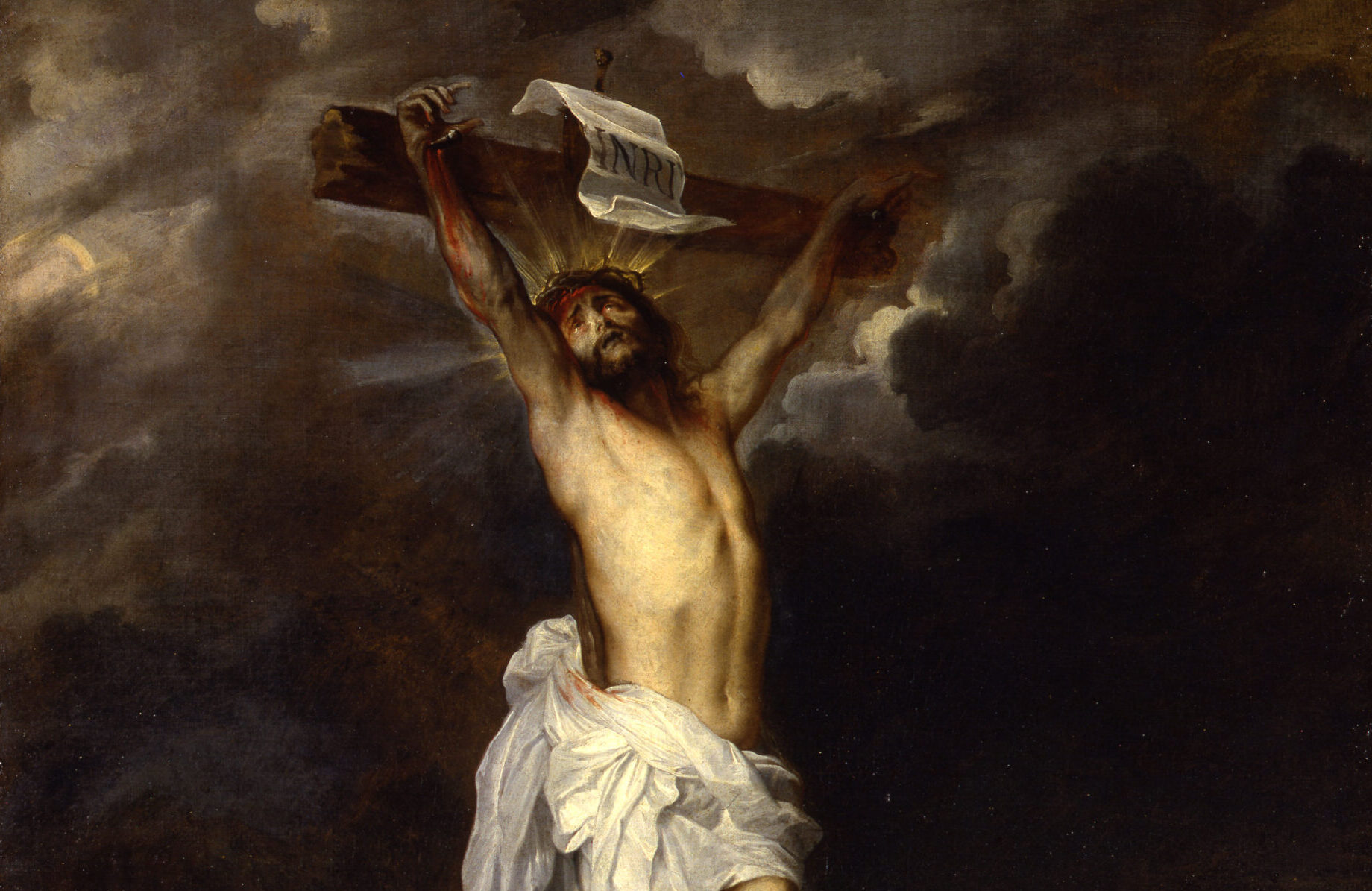
A Guest at the Palace | “Christ on the Cross” by Antoon van Dyck

The Guest at the Palace initiative, promoted by the Art History Institute of the Fondazione Giorgio Cini, was created through collaborations with some of the most prestigious Italian and international museum institutions. Conceived to temporarily enrich the museum holdings of Galleria di Palazzo Cini, the project features the exhibition of particularly important artworks granted on extraordinary loan and hosted for several months in the historic residence of Vittorio Cini, which houses the masterpieces of his remarkable art collection.

The exhibition returns to the Galleria di Palazzo Cini with a new distinguished guest: Antoon Van Dyck’s Crucified Christ (Antwerp, 22 March 1599 – London, 9 December 1641), a masterpiece from the early mature period of the celebrated Antwerp master, which will be on display to the public at the Gallery – the elegant residence on the Grand Canal showcasing the finest works from Vittorio Cini’s art collection – from 14 May to 8 September 2025.

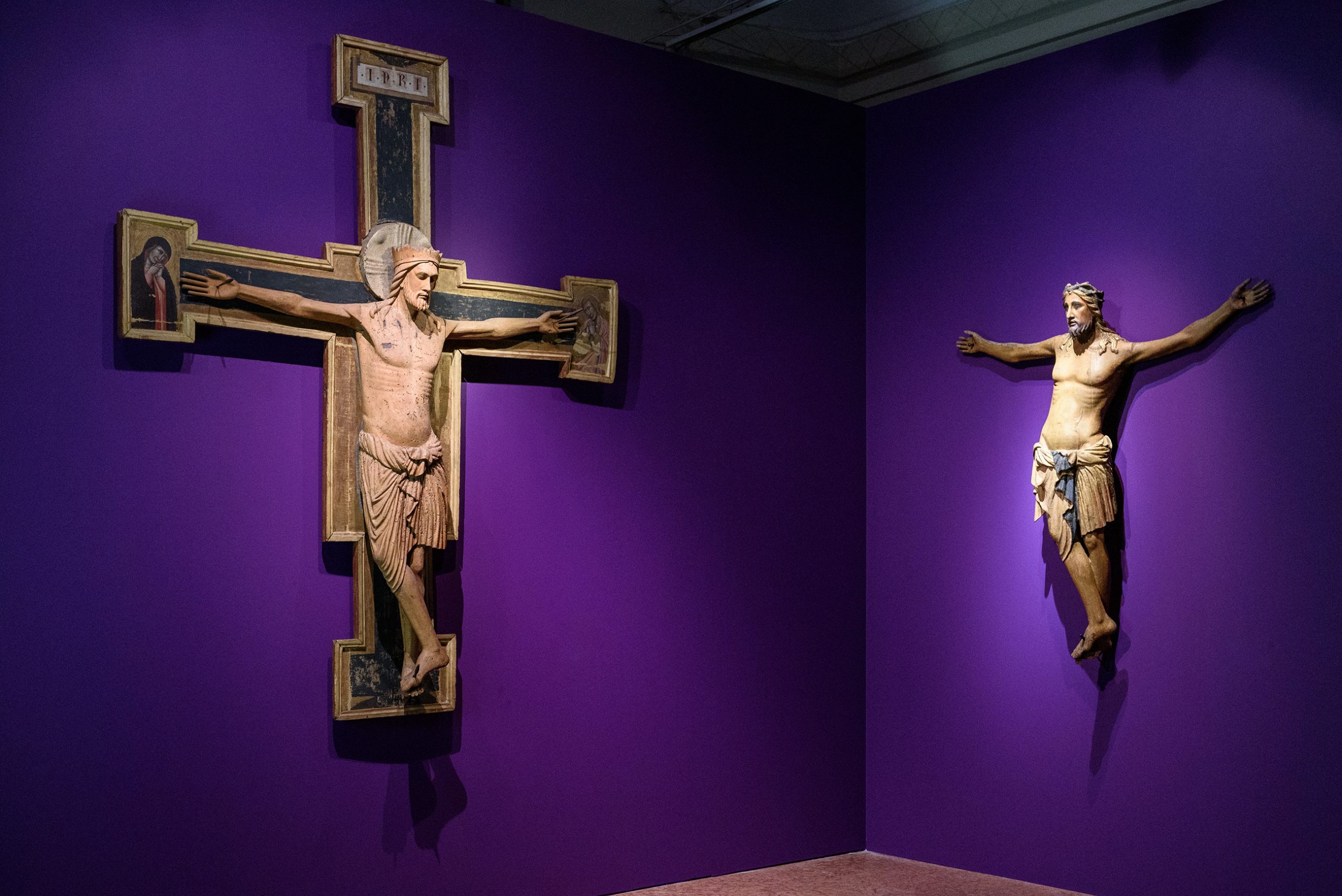
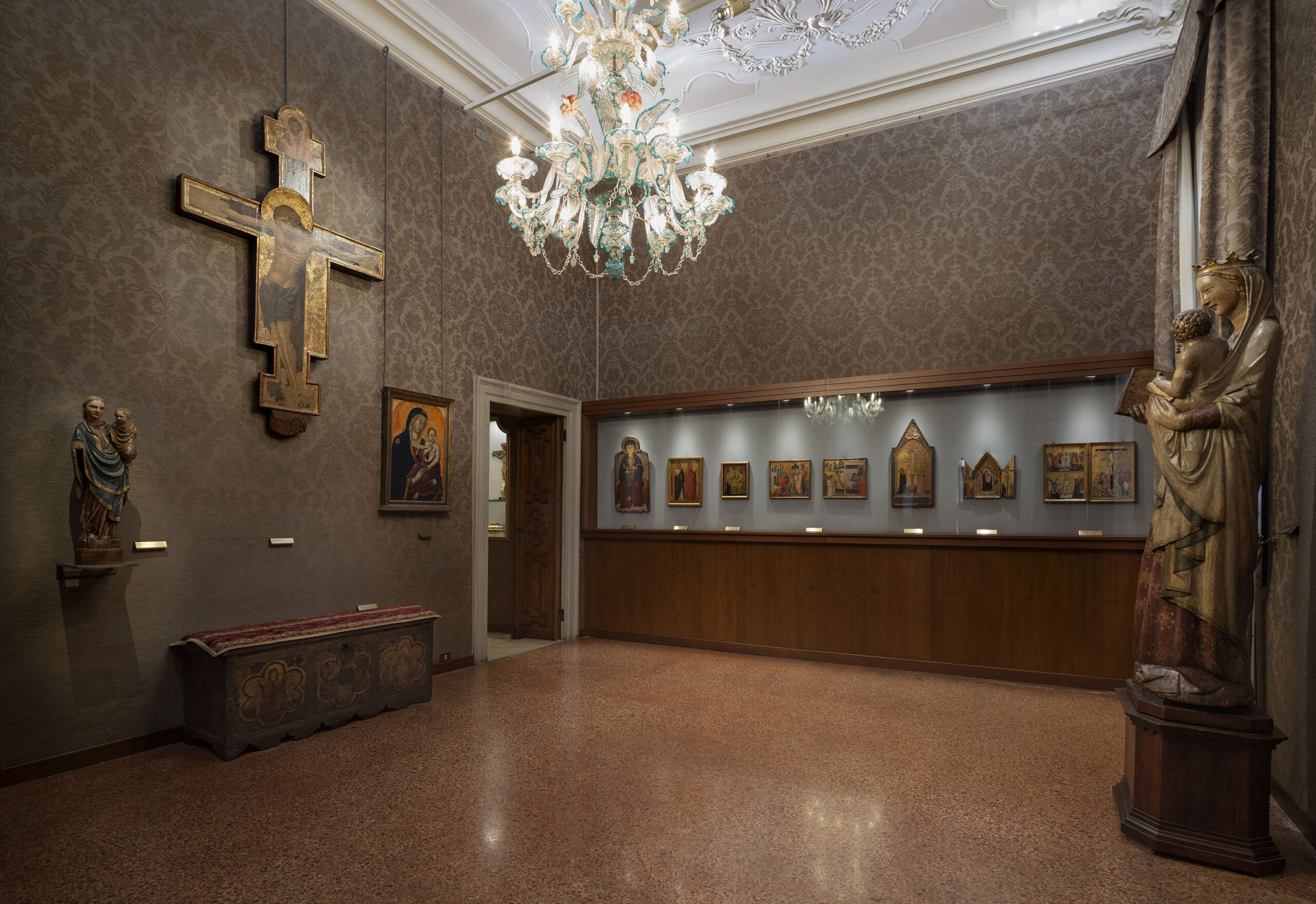
The work, on loan as part of an exchange involving a pair of paintings from Ferrara in the Palazzo Cini collection for the exhibition ‘Genoa and St George’ to be held at the Royal Palace in Genoa in the autumn of 2025, will enter into a visual and, ideally, dialogic relationship with the Gallery’s other magnificent pieces, such as the evocative Crosses by the Primitive Masters in the exquisite gold-ground section.

Christ on the Cross
plus

A masterpiece of extraordinary lyrical intensity, the Crucified Christ by the Flemish painter Antoon van Dyck stands out amongst the works in the distinguished collection of the Royal Palace of the National Museums of Genoa. A work of sublime grandeur, it has been recognised by critics as one of the most prestigious examples of the Italian output of the celebrated Antwerp master.

At the centre of the canvas stands the vigorous body of Christ nailed to the cross, silhouetted against a gloomy sky thick with livid clouds, barely broken by flashes of blinding light, softened by delicate pinkish streaks. A voluminous, almost cumbersome, white drape, clearly reminiscent of Rubens, covers his waist, billowing sinuously in the wind and emphasising the still-vivid figure of Christ as he turns his gaze, intense and sorrowful, towards the sky. He is already glorious, despite the copious blood flowing from his wrists and from his head crowned with sharp thorns, slightly staining the whiteness of the cloth: above his slightly reclined head, in fact, a halo of luminous rays emerges, acting almost as a counterpoint to the hint of a solar eclipse painted in the top left, as recounted in the textual source of Scripture.

The rugged landscape of Golgotha surrounding the cross seems to amplify the tragic dimension of the depiction, heightened by the presence of Adam’s skull at the foot of the cross, the epitome of human fragility.

Opening Hours and Admission
plus

Open daily from 11am to 7pm (last admission at 6.15pm). Closed on Tuesdays.

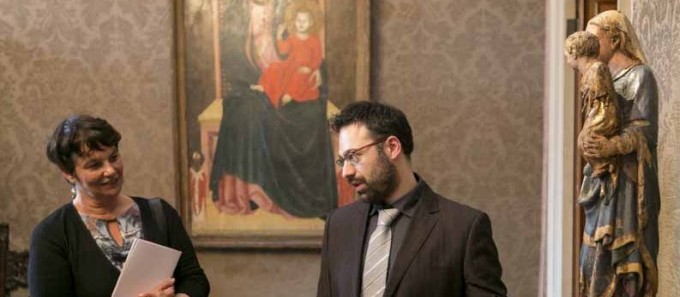
On Wednesday 14 May at 5.00 pm, the work will also be the focus of a special edition of the Conversazioni d’Arte, where it will be presented by Mari Pietrogiovanna, a specialist in Flemish and Dutch art and lecturer at the University of Padua.

All editions
plus

May 24 – July 21, 2014

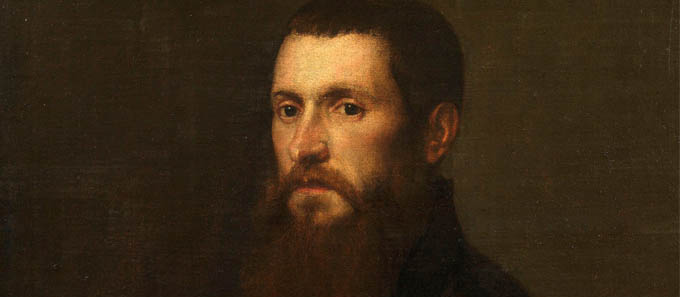
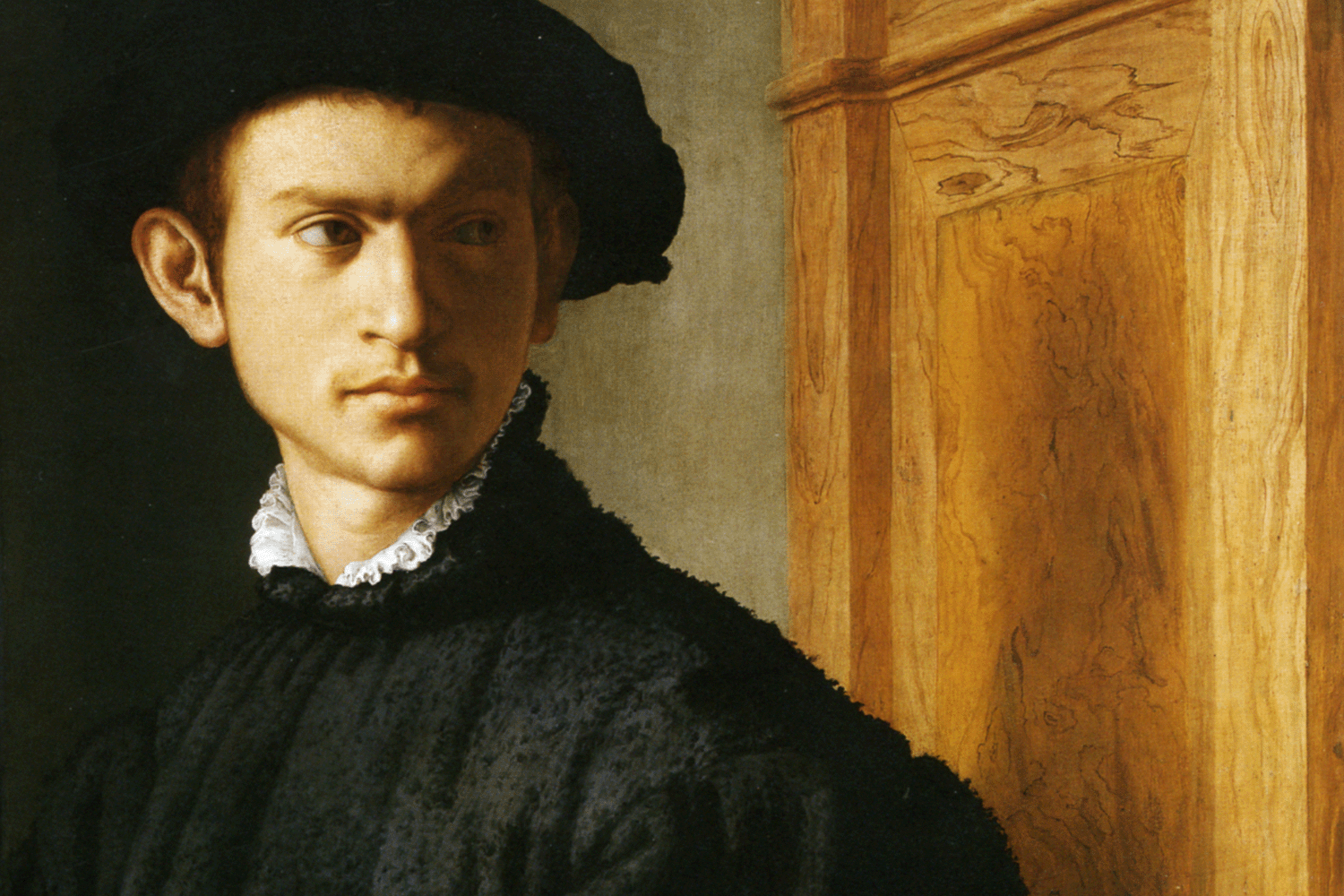
Portrait of a Young Man with a Lute by Agnolo Bronzino


September 5 – November 2, 2014

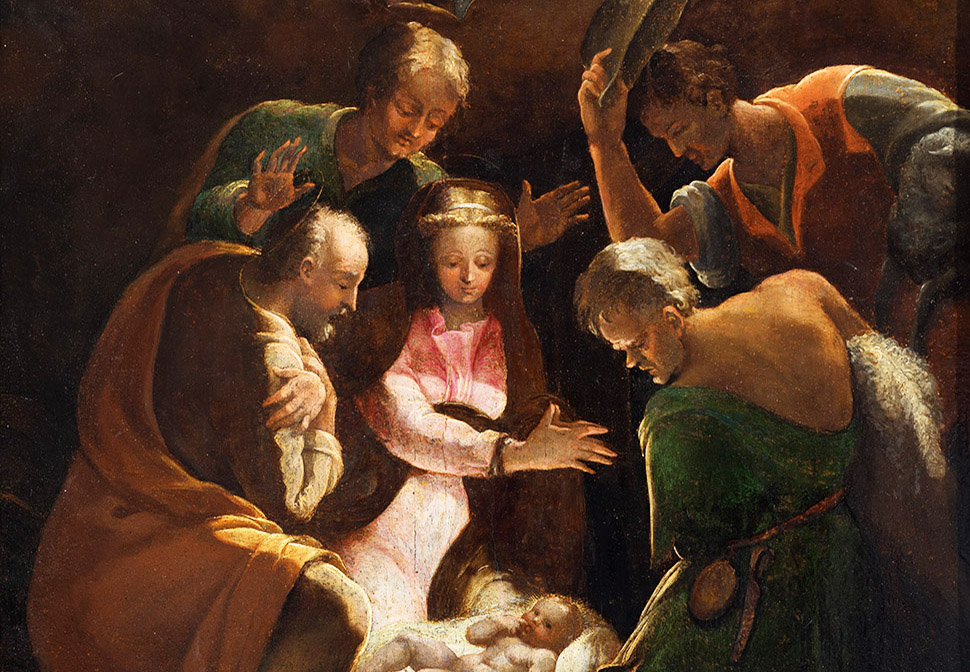
Adoration of the Shepherds by Lorenzo Lotto 


June 17 – September 28, 2015

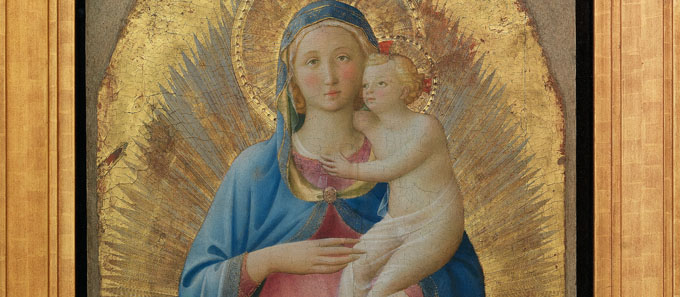
The Madonna of Pontassieve by Beato Angelico


September 19 – November 15, 2015

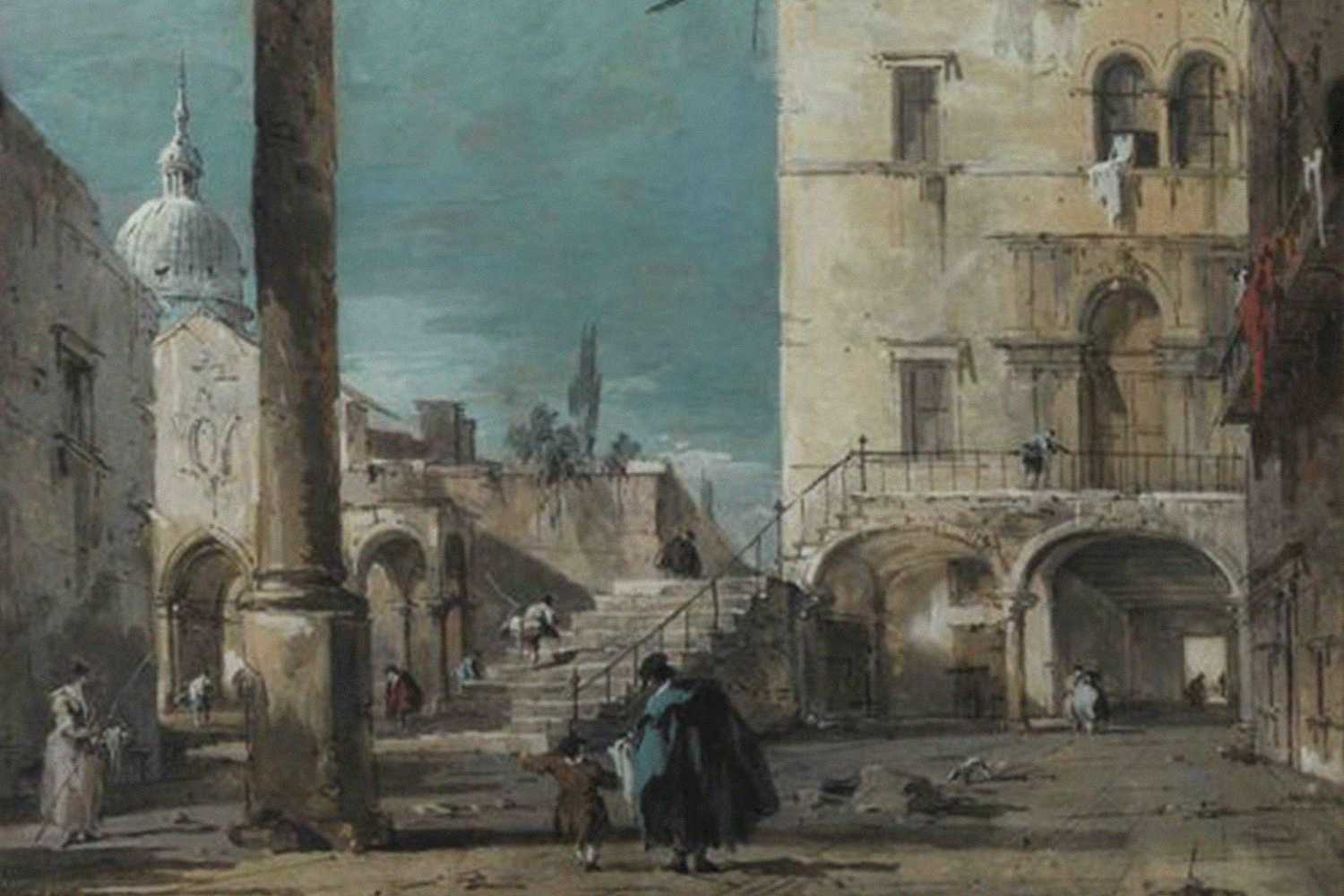
Capriccio with a Small Square by Francesco Guardi  


April 8 – June 6, 2016

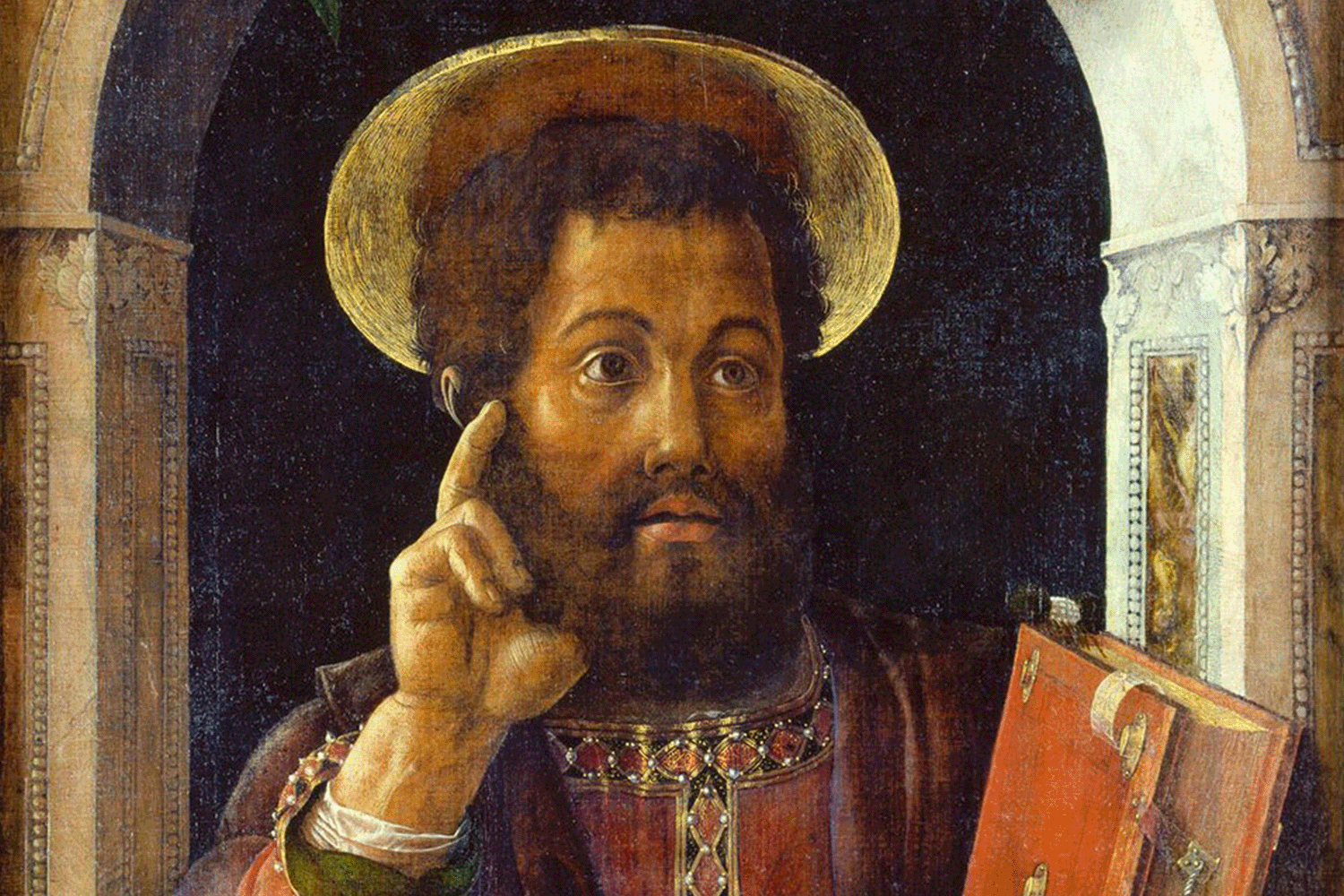
Saint Mark by Andrea Mantegna


May 28 – November 1, 2021

Saint George and the Dragon by Paolo Uccello


July 15 – October 15, 2023

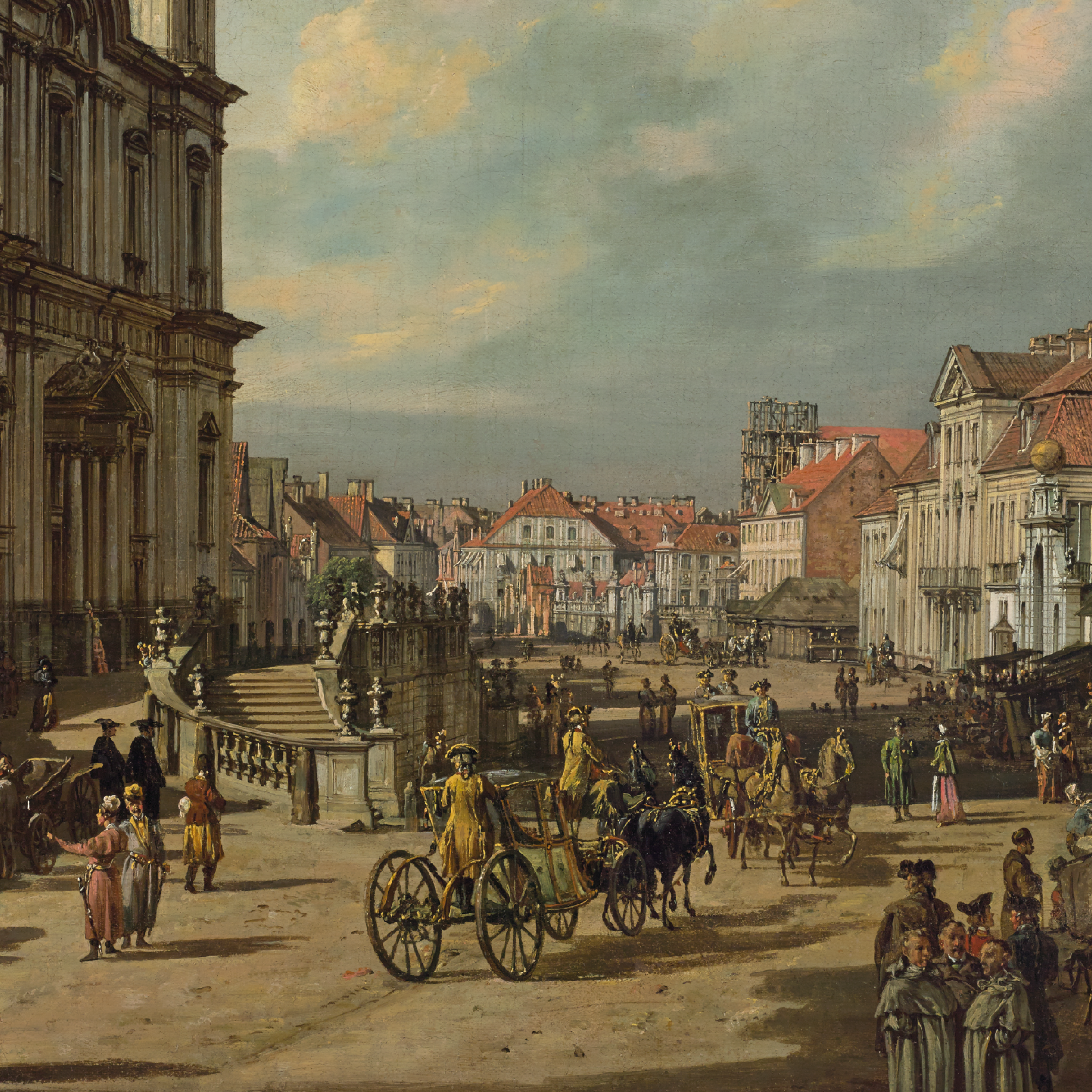
Warsaw, Church of the Holy Cross by Bernardo Bellotto


May 11 – July 16, 2023

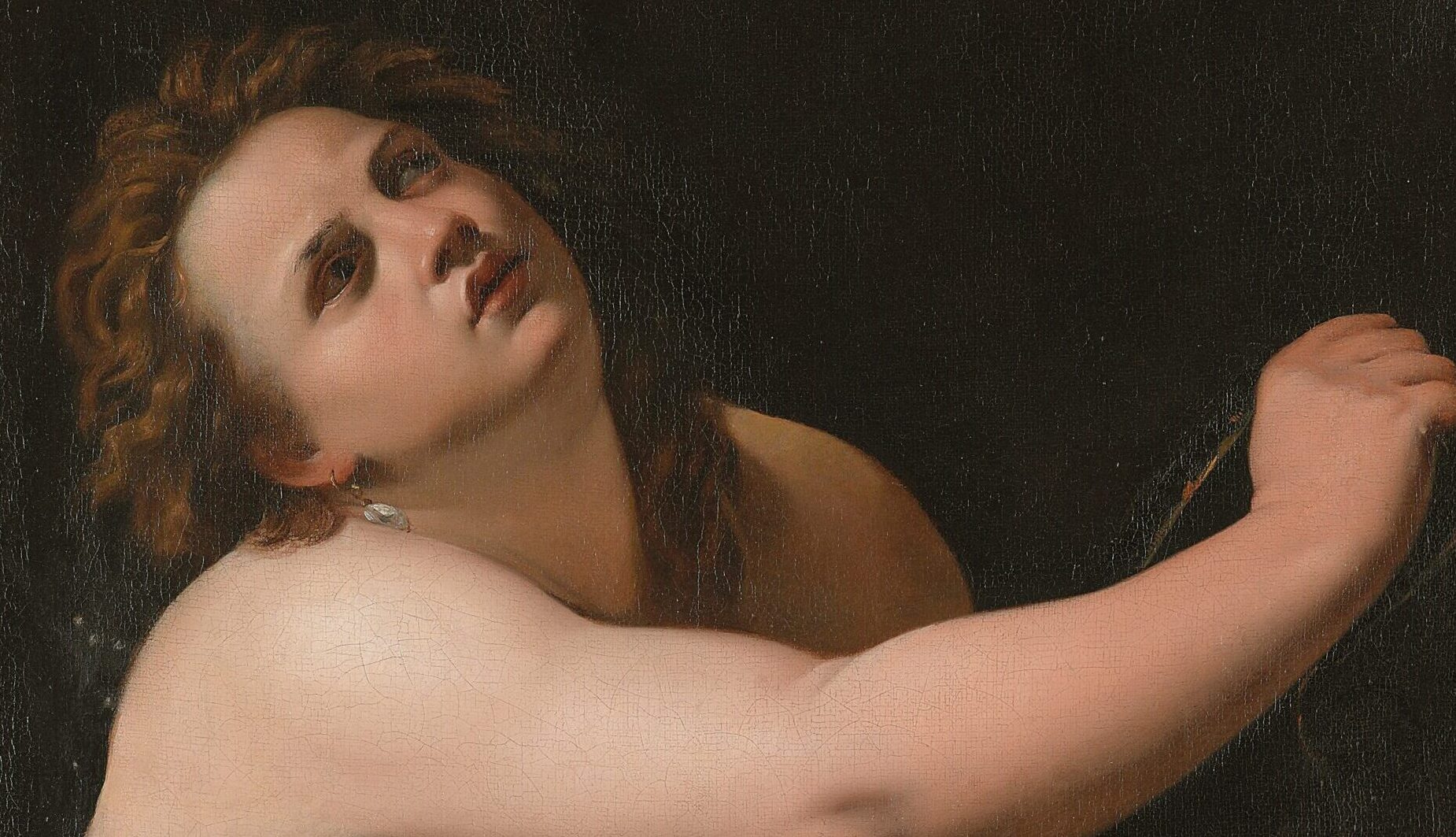
Cleopatra by Artemisia Gentileschi


May 14 – September 8, 2025

The Crucified Christ by Antoon van Dyck


June 18  — September 27, 2026

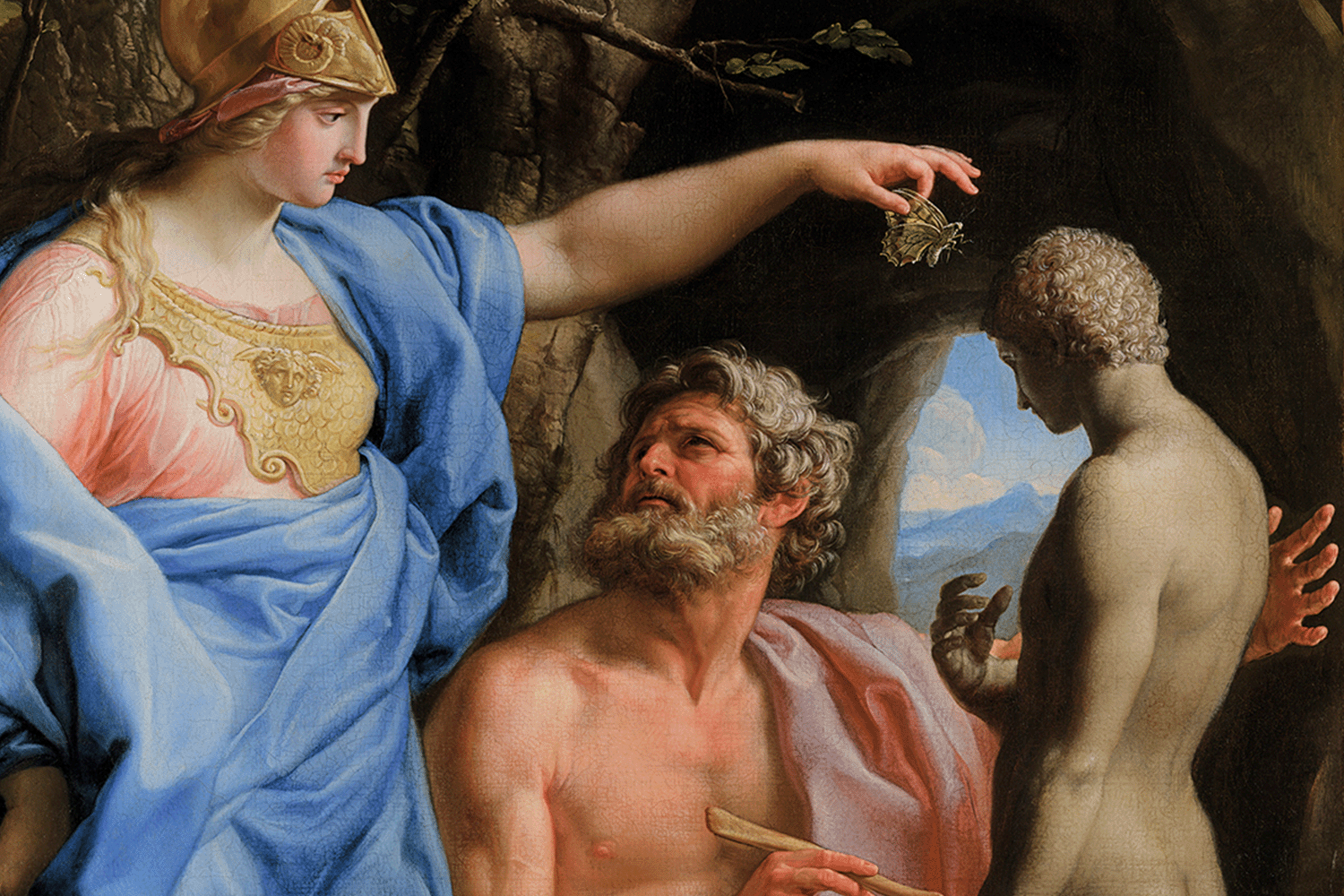
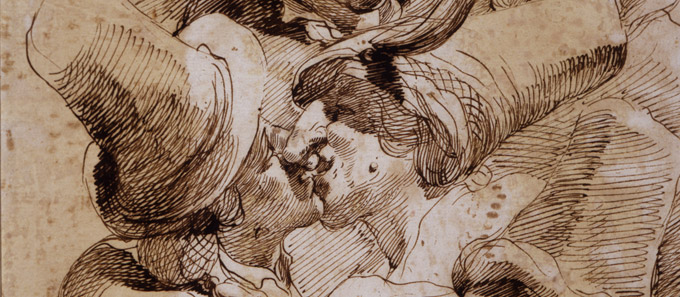
Minerva Infuses the Soul into the Human Figure Modeled in Clay by Prometheus
Art Conversations

The Art Conversations at Palazzo Cini are back.

In this season’s series, art historians and experts will guide the public through the discovery of the art treasures in Vittorio Cini’s collection. Medieval and Renaissance masterpieces will be discussed and illustrated, delving into the themes and distinctive features each work encompasses. A special meeting is dedicated to “The Guest at the Palace”: The Crucified Christ by Antoon Van Dyck, an extraordinary loan from the Royal Palace of Genoa.

Participation is free and open to all, subject to booking via email: [email protected].


30 April | h 17:00
Cristina Guarnieri
University of Padua

14 May | h 17:00
Mari Pietrogiovanna
University of Padua

28 May | h 17:00
Roberto Cara, Valentina Lapierre
Art Historians, Ferrara

5 June | h 17:00
Loredana Luisa Pavanello
Fondazione Giorgio Cini, Venice

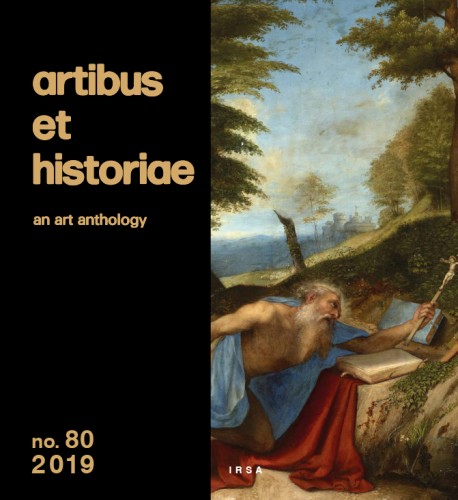
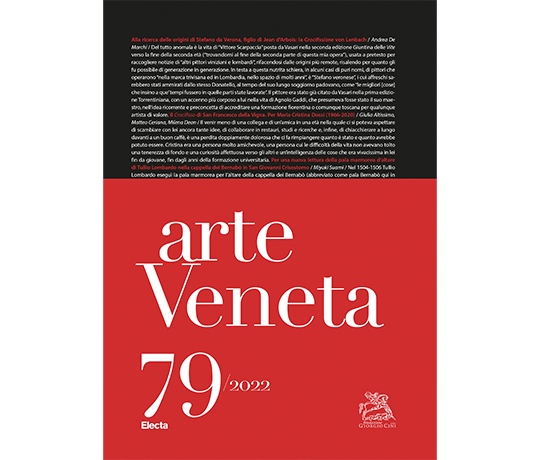
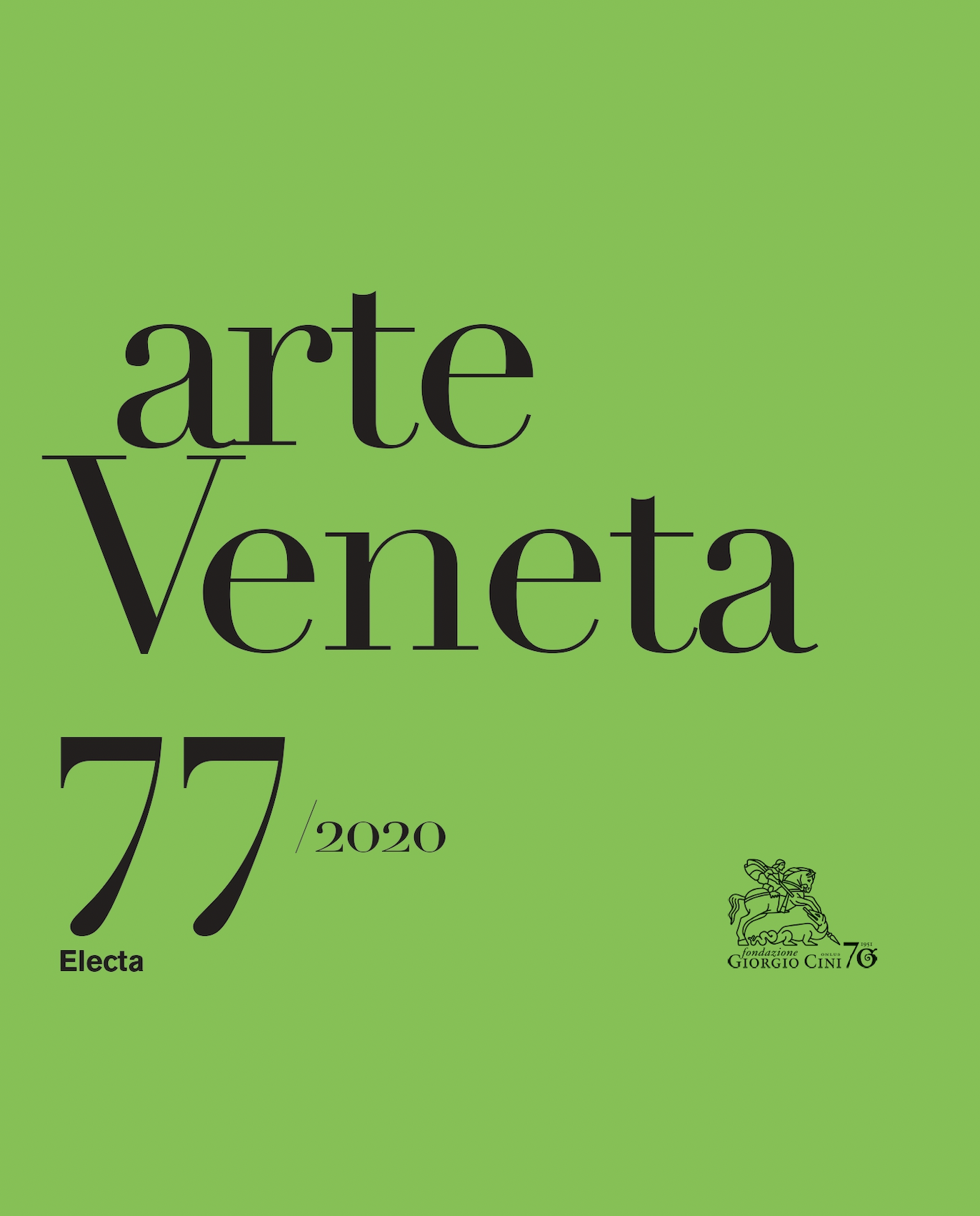
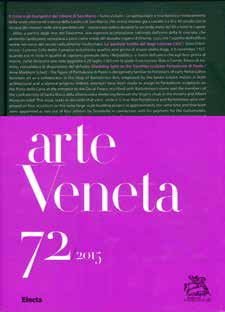
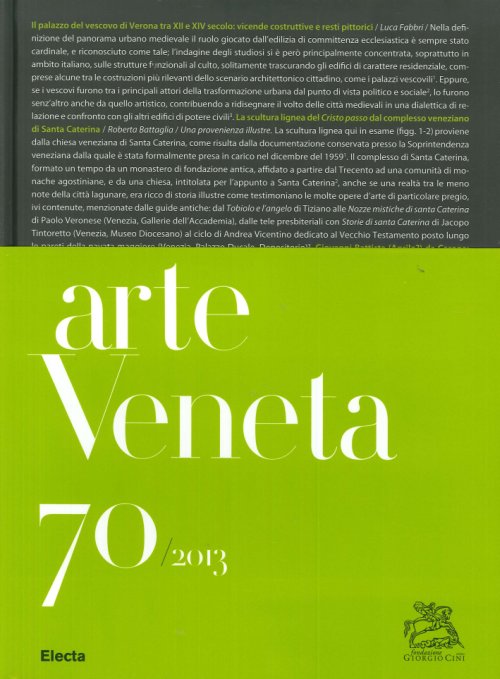
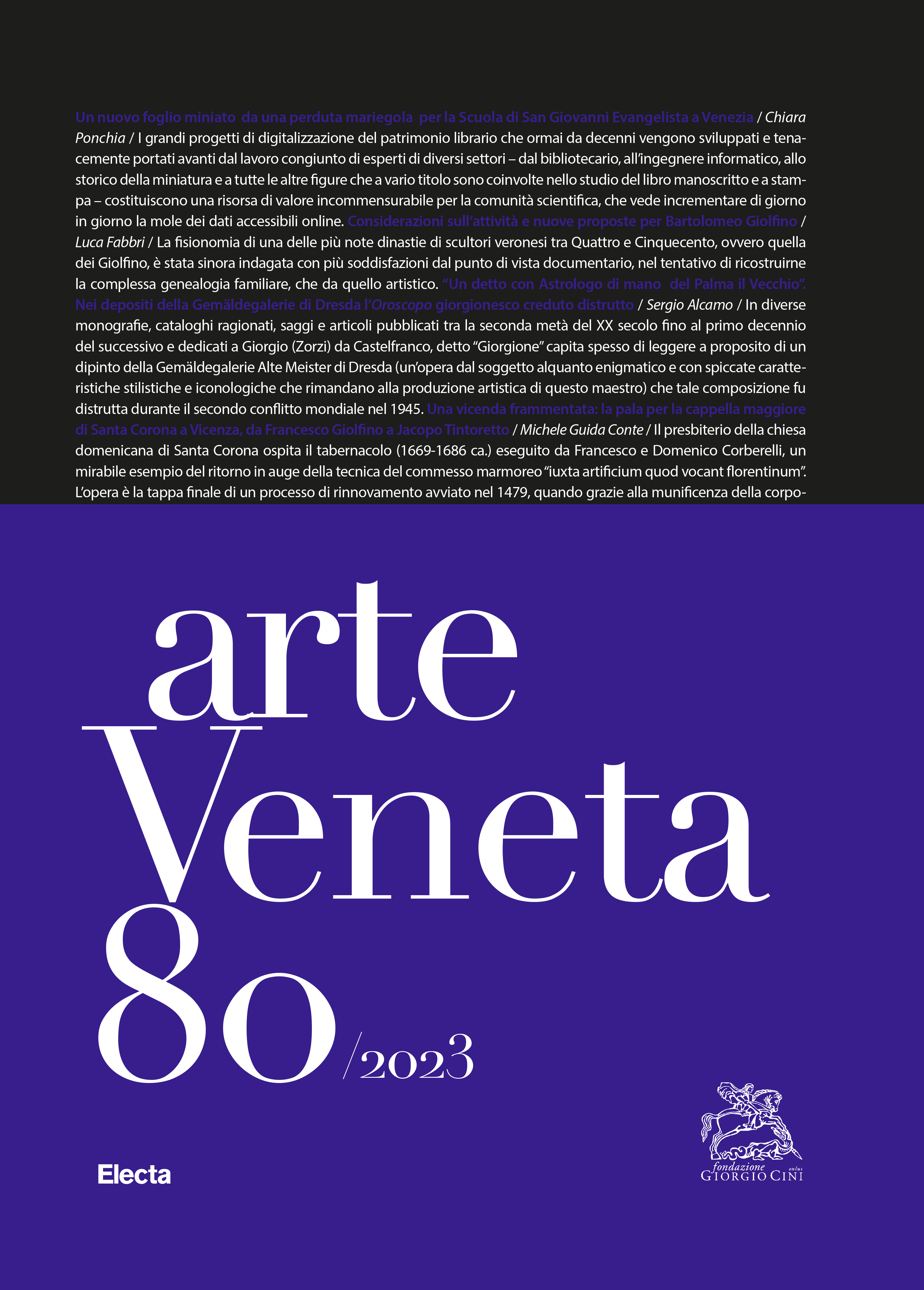
«Arte Veneta» 80/2023

CONTENTS

  • Elena Khalaf, “Veni sponsa Christi, accipe coronam”: ipotesi sull’ubicazione originaria, sulla finzione e sulla committenza del politico di Santa Chiara di Paolo Veneziano
  • Laura Zabeo, Rovesciare l’antico. Disegni di una silloge numismatica del Quattrocento
  • Emanuele Castoldi, Uno scolaro di Giovanni Bellini: Nicolò Rondinelli, a Murano
  • Vincenzo Mancini, Per Domenico Campagnola pittore
  • Marco Toffanin, “Et in San Nicolò grande mirasi di lui”. Una firma, una data e una proposta per Francesco Montemezzano nel cantiere di San Nicolò dei Mendicoli
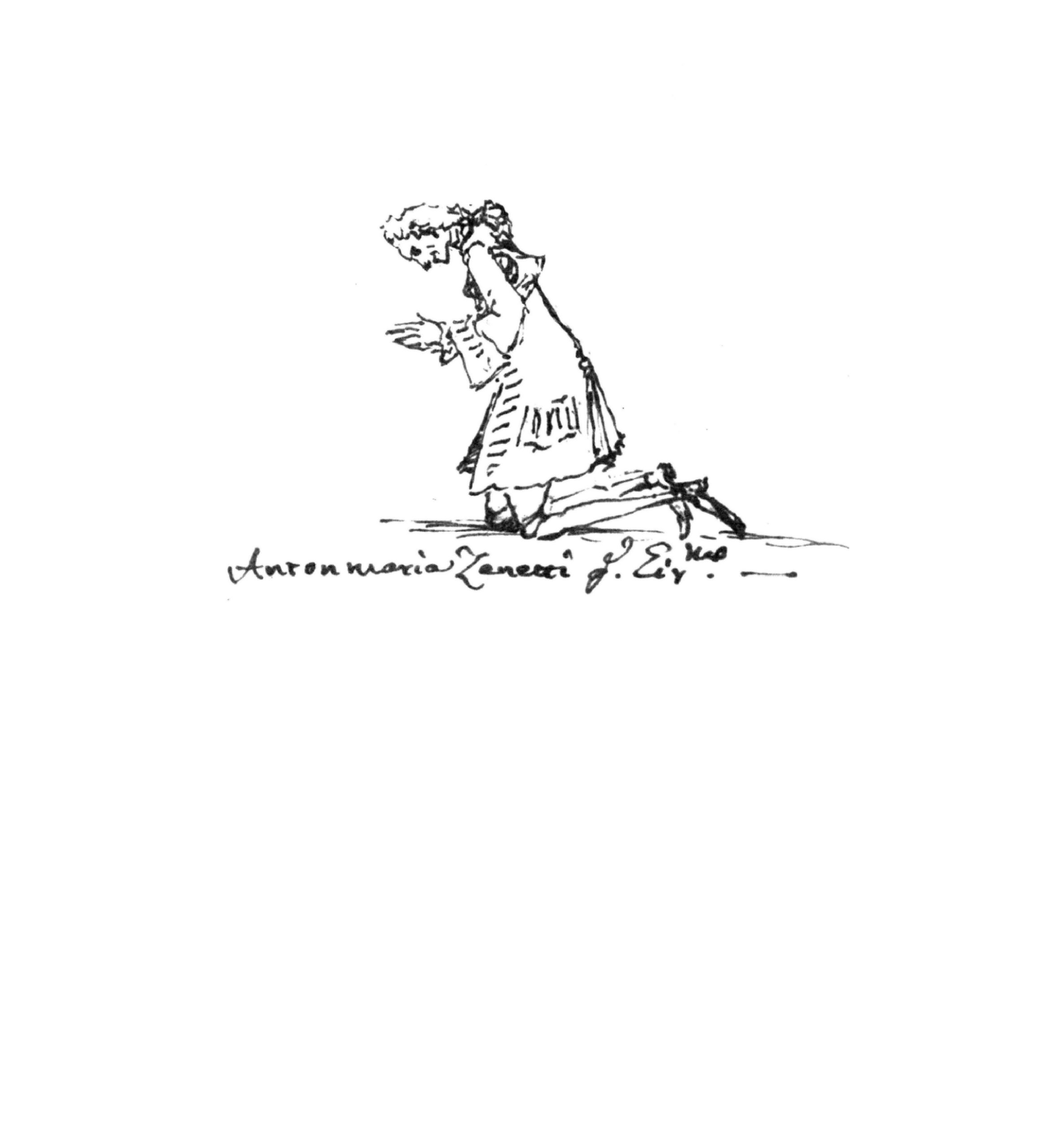
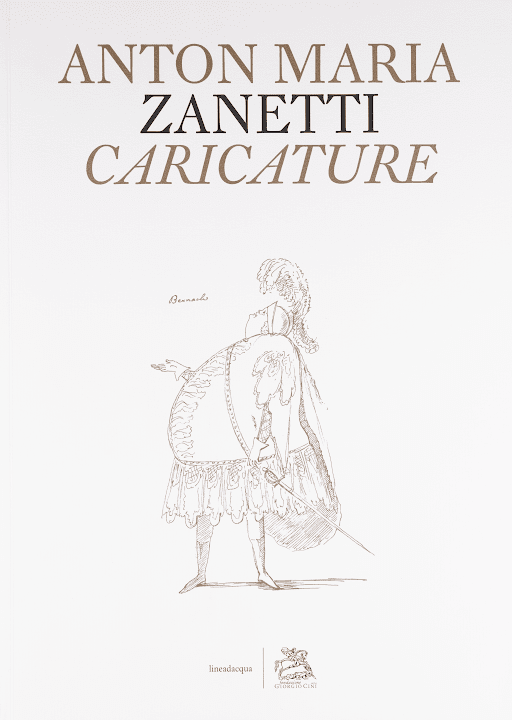
  • Paolo Delorenzi, Venezia e la Francia nel Settecento. Anton Maria Zanetti di Girolamo intermediario fra culture
  • Sebastiano Megera, Nuovi disegni di Egidio Dall’Oglio
  • Enrico Lucchese, Roma 1792. Domenico Pellegrini e Canova, pittori di Venere
  • Valeria Paruzzo, La quadreria di un “viaggatore di professione”: dipinti del Quattrocento e Cinquecento dalla collezione di Clemente Bordato

NOTICES

  • Manlio Leo Mezzacasa, La croce-reliquiario in San Nicolò dei Mendicoli: un’oreficeria veneziana di primo Trecento tra inserti bizantini di riuso e derivazioni oltremontane
  • Mattia Vinco, “Palla lignea inaurata cum pictura Beate Marie Virginis in medio, et variis misteriis”. Due nuovi frammenti della pala agiografica di Matteo Cesa a Santa Maria di Sargnano
  • Sergio Taddei, Una sconosciuta copia seicentesca del Martirio di san Pietro da Verona di Tiziano nella collezione Inghirami di Volterra
  • Matteo Beccari, Per Ernesto Daret, pittore di “Paesi, figurine et Animali”
  • Amalia Pacia, Quattro “storie antiche” inedite di Francesco Pittoni in palazzo Marenzi a Bergamo
  • Sergej Androsov, A margine di una mostra: nuovi dati sulla scultura veneziana del primo quarto del XVIII secolo in Russia
  • Giuseppe Sava, “Modellò in creta due Angeli con tanta facilità e con tale maestria, che ne stupì il suo institutore”. Il giovane Canova e Giuseppe Falier

ARCHIVE PAPERS

  • Stefano Aloisi, Palma il Giovane e Matteo Ponzone nel 1608 a Cividale del Friuli per il monastero della Cella
  • Francesco Baccanelli, Per il musicista padovano Lodovico Ferronati, mercante d’arte a Bergamo e committente di Pittoni e Tiepolo
  • Antonella Bellin, Elena Catra, Francesco Hayez studente “eletto all’alunnato di Roma”


«Saggi e Memorie di storia dell’arte» 47

• Fernando Rigon Forte, Animali di stagione Anne Markham Schulz, Paolo Stella Milanese and the Prague Belvedere Claudia Bissolati, The gems of book 49 in Ligorio’s Antichità di Roma

• Flavia Cristalli, La decorazione cinquecentesca del salone d’onore di palazzo Albergati a Bologna: il fregio con le Storie di Annibale e la tela di Bartolomeo Cesi

• Elisa Perina, “Variati e bizzarri novissimi pensieri”: un’iconografia  mitologica di Francesco Albani da Le Imagini de i dei degli Antichi di Vincenzo Cartari

• Gianluca Bocchi, Modelli iconografici di Carl Ruthart in dipinti di Cornelis Dusman e di Pieter Mulier detto il Cavalier Tempesta

• Chiara Travisonni, Benigno Bossi e le stampe di riproduzione dai disegni di Parmigianino nel Settecento

• Fausto Minervini, Nuove notizie e documenti sui Degas di Napoli

• Francesco Lovino, Battaglie ravennati, II. Dispute attorno alla definizione dell’architettura ravennate dell’alto medioevo negli studi novecenteschi (1921-1942)

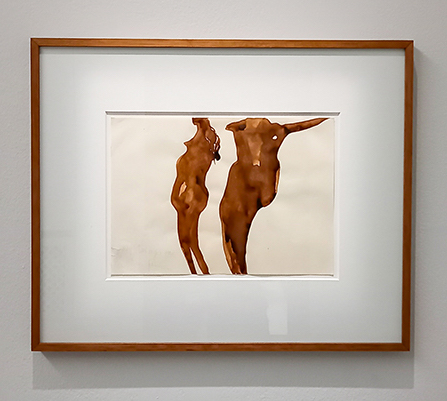
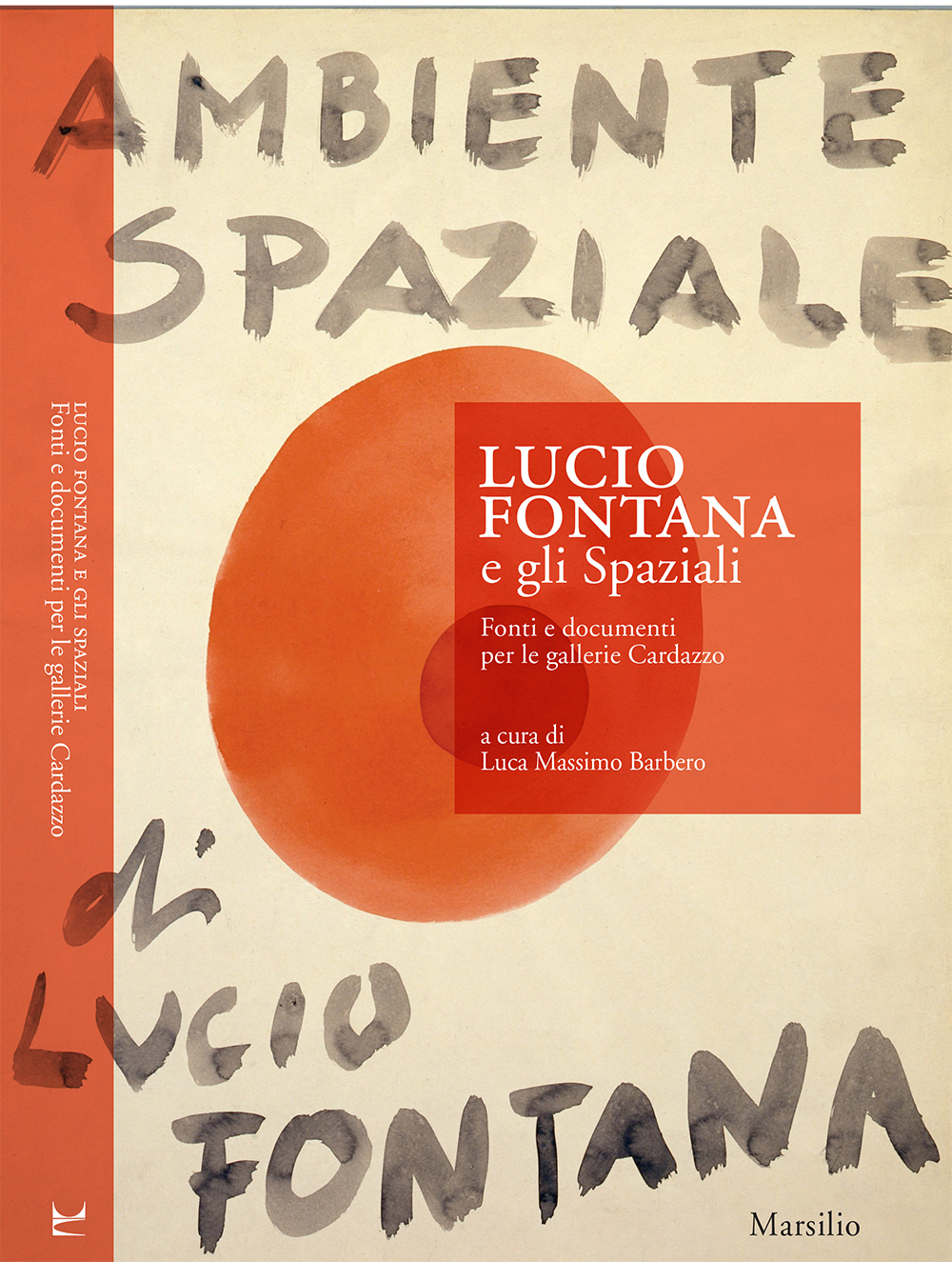
• Benedetta Casini, Lucio Fontana fra Rosario e Buenos Aires: gli anni venti e gli anni quaranta

• Valentina Raimondo, Giacomo Manzù, la scultura a sbalzo e due inediti per l’Università di Padova

• Camilla Pietrabissa, Due temi di storiografia della veduta veneziana nella mostra I Vedutisti veneziani del Settecento del 1967

• Ernesto Damiani, Irene Quarantini, Alessia Castellani, L’arte astratta e moderna come pittura diegetica nei film di Alberto Sordi

Lucio Fontana: Origins and Imagination

The symposium, a collaboration between the Fondazione Giorgio Cini Institute of Art History and the Fondazione Lucio Fontana, with the support of Intesa Sanpaolo, will be held on December 5th and 6th on the Island of San Giorgio Maggiore in Venice.

Lucio Fontana’s vital and inventive work extends and develops over a wide span of time from the 1920s to the end of the 1960s. A career studded with constant experimentation that placed him, from the very beginning, among the pioneers of contemporary art.

In the History of Art of recent decades, the centrality of his figure and work has increasingly emerged, and the new studies, multiple exhibitions and publications dedicated to him have thus been able to restore, especially to new generations of scholars, but also to a wider public, the variety and coherent continuity of his entire creative career. The international conference Lucio Fontana: Origins and Imagination, promoted by the Giorgio Cini Foundation Institute of Art History and the Lucio Fontana Foundation, intends for the first time to take stock of recent and ongoing studies, as well as to promote, at this significant and rich moment, a discussion between scholars who have dealt directly with the artist or whose in-depth studies have touched on Fontana themes that are useful for offering new readings and avenues of investigation: from those more strictly historical-artistic to research concerning the material and conservation aspects of the works.

[accordion][/accordion]
[accordion_entry title=”International Conference: Lucio Fontana: Origins and Imagination”]

Over the course of the two days of study, scheduled for 5 and 6 December 2024, there will be the opportunity to explore the imagery and context within which Lucio Fontana’s activity developed, as well as aspects, moments and themes pertinent to his research and critical reception in Italy and abroad.


The futurist roots of his work, the relationship with the sculpture of his contemporaries, the very early creative phase strained between Italy and Argentina, are some of the investigative paths that will be tackled and that will probe the reasons for the author’s current position. A section of the symposium will also be devoted to an in-depth examination of case studies: exhibitions, selected from among the many, that have contributed to building Fontana’s fortune or to promoting particular aspects of his creative parabola, reaffirming his role as a pioneer and the vitality of his research.


The symposium also highlights the interest shown by the Giorgio Cini Foundation in the Italian-Argentine master, the protagonist of several in-depth events hosted and promoted by the Venetian institution: the Exhibition of Drawings and Graphic Works by Lucio Fontana  in 1972; the 2014 conference Figurative Art and Abstract Art. 1954 – 2014 and the scholarship Lucio Fontana, Argentinean period: monuments projects and works announced in 2022 once again in close synergy with the Fondazione Lucio Fontana, which confirms its increasing commitment to supporting and encouraging scientific projects on the artist.

[/accordion_entry]
[accordion][/accordion]

PROGRAMMe

[accordion][/accordion]
[accordion_entry title=”Thursday, 5 December 2024”]

Join the live streaming on the Giorgio Cini Foundation YouTube channel


9:45 | Saluti istituzionali
Luca Massimo Barbero
Direttore dell’Istituto di Storia dell’Arte Fondazione Giorgio Cini


Silvia Ardemagni
Presidente della Fondazione Lucio Fontana


10:00 | Sessione I
Immaginario e contesto dell’avanguardia fontaniana


PRESIEDE:


Luca Massimo Barbero

Fondazione Giorgio Cini


Ester Coen

Università degli Studi dell’Aquila
Radici futuriste nel pensiero fontaniano


Nico Stringa
Università Ca’ Foscari Venezia
Arturo Martini e Lucio Fontana: dentro e oltre la scultura


Francesco Tedeschi
Università Cattolica del Sacro Cuore, Milano
L’“astrazione creativa” di Lucio Fontana nei progetti e nelle sculture di metà anni Trenta


Valerio Terraroli
Università degli Studi di Verona
La ceramica italiana degli anni Trenta e Quaranta tra arte e decorazione


Giovanni Bianchi
Università degli Studi di Padova
Intorno allo Spazialismo veneziano: il richiamo dell’ombra in Mario Deluigi e in Lucio Fontana


14:30 | Sessione II
“Luoghi fontaniani” tra Argentina e Italia


PRESIEDE:

Maria Villa
Fondazione Lucio Fontana


Daniela Alejandra Sbaraglia
Storica dell’arte
Anni Venti: opere d’esordioe formazione tra Argentina e Italia


Lorena Mouguelar
Universidad Nacional de Rosario
Lucio Fontana e la “nuova sensibilità” nell’arte argentina


Luca Bochicchio
Università degli Studi di Verona “La ruota nell’antro”: la fornace di Albisola come fucina creativa e motivo poetico


Sileno Salvagnini
Accademia di Belle Arti di Venezia
Lucio Fontana alle Biennali


Giorgina Bertolino
Storica dell’arte
Il “Devenir de Fontana” a Torino negli anni Sessanta

[/accordion_entry]
[accordion][/accordion]

[accordion][/accordion]
[accordion_entry title=”Friday, 6 December 2024″]

Join the live streaming on the Giorgio Cini Foundation YouTube channel


10:00 | Sessione III
Fortuna internazionale: anni Cinquanta e Sessanta


PRESIEDE:

Francesco Tedeschi
Università Cattolica del Sacro Cuore, Milano


Paolo Campiglio
Università degli Studi di Pavia
Il rapporto con Charles Damiano e il suo ruolo nella promozione internazionale di Fontana tra Inghilterra e Stati Uniti


Silvia Bignami
Università degli Studi di Milano
“Douche froide” a Parigi. Lucio Fontana tra mostre e critica


Stefano Turina
Università degli Studi di Torino
Un rivoluzionario quieto e fervente. Lucio Fontana e il Giappone (1953–1968)


Francesca Pola
Università Vita-Salute San Raffaele, Milano
Lucio Fontana e ZERO: attorno alla retrospettiva di Leverkusen (1962)


Barbara Ferriani
Restauratrice
Fontana e la materia


14:30 | Sessione IV
Esporre Lucio Fontana: criteri espositivi come letture critiche


PRESIEDE:
Francesca Pola
Università Vita-Salute San Raffaele, Milano


Luca Pietro Nicoletti
Università degli Studi di Udine
“Omaggio a Fontana” 1963-1972. Enrico Crispolti interprete di Fontana, prima e dopo


Francesco Guzzetti
Università degli Studi di Firenze
Intorno al 1966: Lucio Fontana negli Stati Uniti


Chogakate Kazarian
Curatrice e storica dell’arte
Curare la mostra “Lucio Fontana, rétrospective”, al MAM di Parigi, 2014


Marina Pugliese
Mudec, Milano
“Lucio Fontana. Ambienti/Environments”, Pirelli HangarBicocca 2017/2018. Ragioni di una mostra


Cristina Beltrami
Storica dell’arte
“Lucio Fontana: Sculpture” alla galleria Hauser & Wirth di New York: la prima mostra di sculture dell’artista negli Stati Uniti


Gianni Caravaggio
Artista
Concetto spaziale – un dispositivo per performare immagini prime

[/accordion_entry]
[accordion][/accordion]

[accordion][/accordion]
[accordion_entry title=”Opening hours and admission”]

Admission free subject to availability

[/accordion_entry]
[accordion][/accordion]

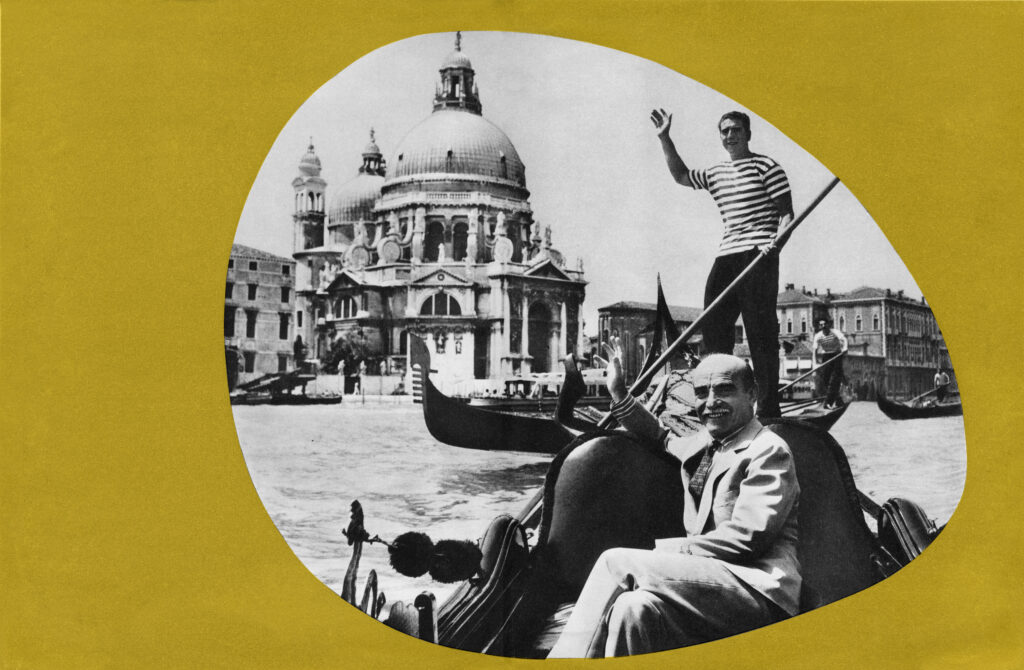
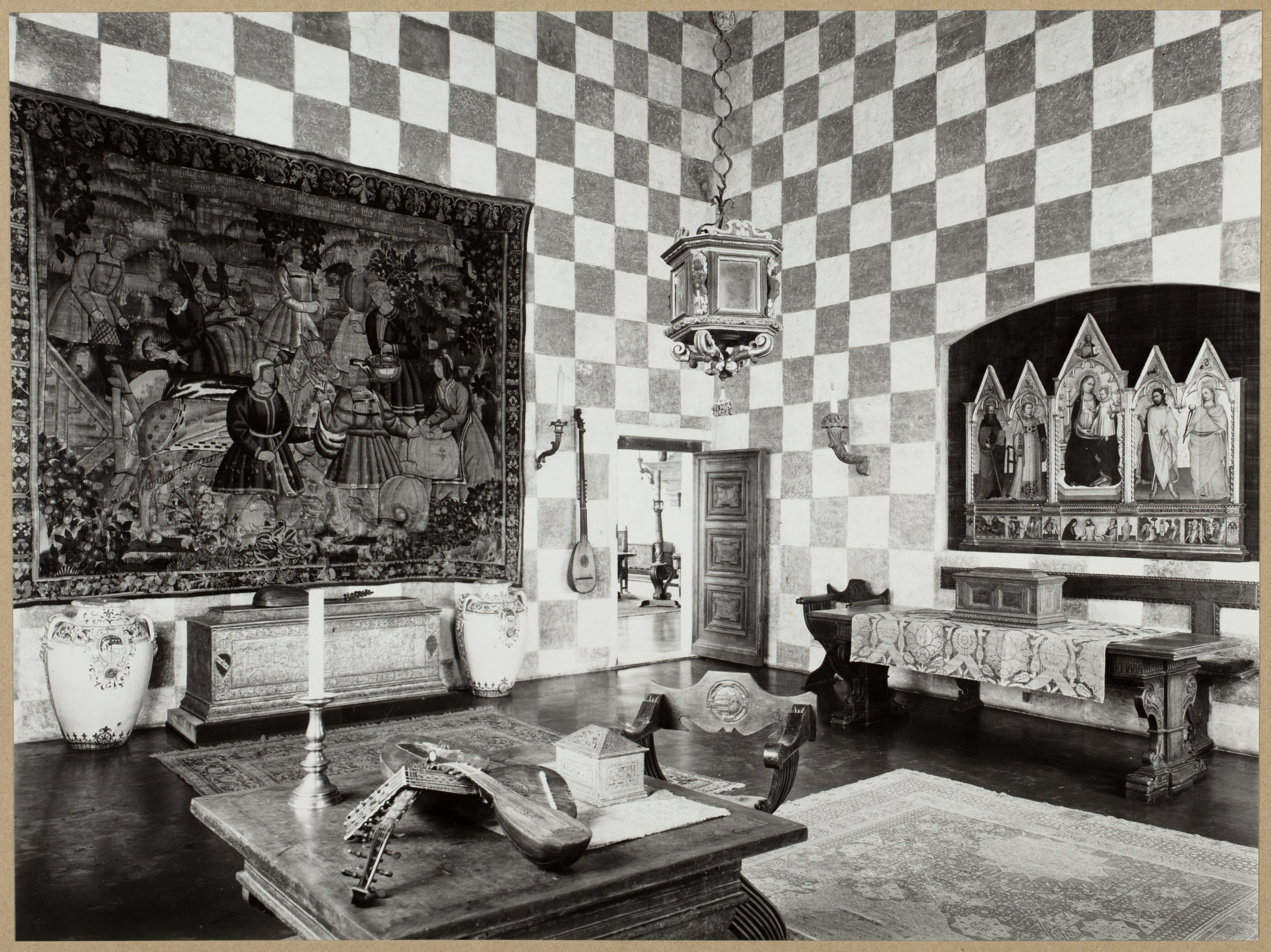
Tomaso Buzzi, the Architect of Vittorio Cini

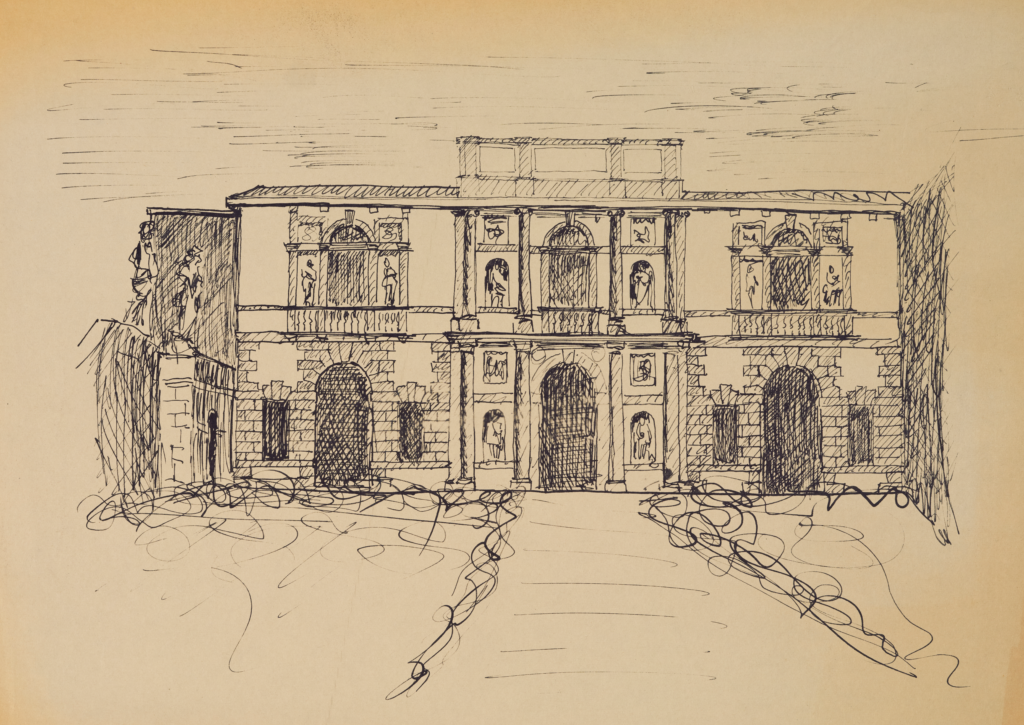
Valerio Terraroli, professor at the University of Verona and one of the leading scholars of the work of the brilliant and visionary architect Tomaso Buzzi from Lombardy, will speak at a conference held at the Castle of Monselice at 11:00 AM. During the lecture, he will discuss the special relationship between Tomaso Buzzi and Vittorio Cini. He will particularly focus on the work done for the Villa di Montericco, the Gallery of Palazzo Cini in Venice, and another prominent historical residence owned by Cini: the monumental complex of the Castle of Monselice and Villa Duodo Balbi Valier, for which the archive of the Institute of Art History preserves “thoughts,” designs, and original sketches.


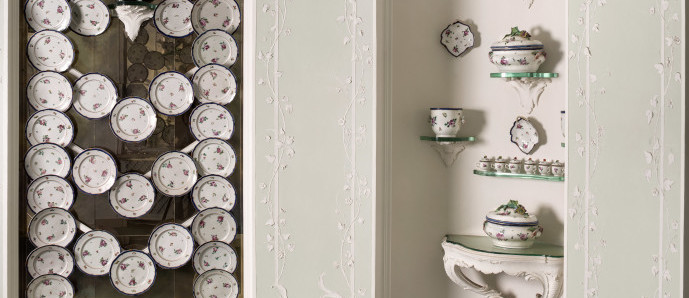
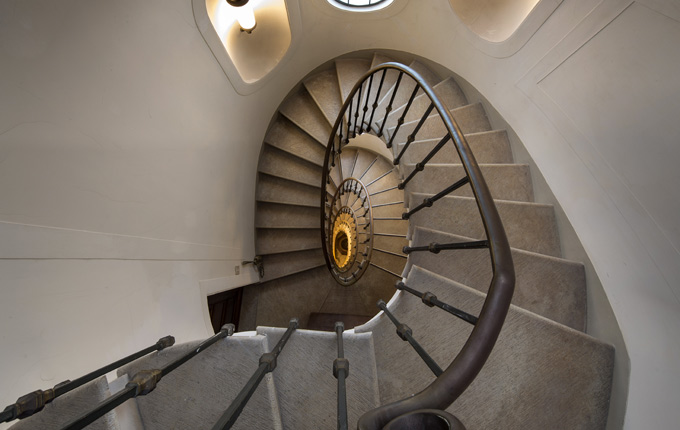
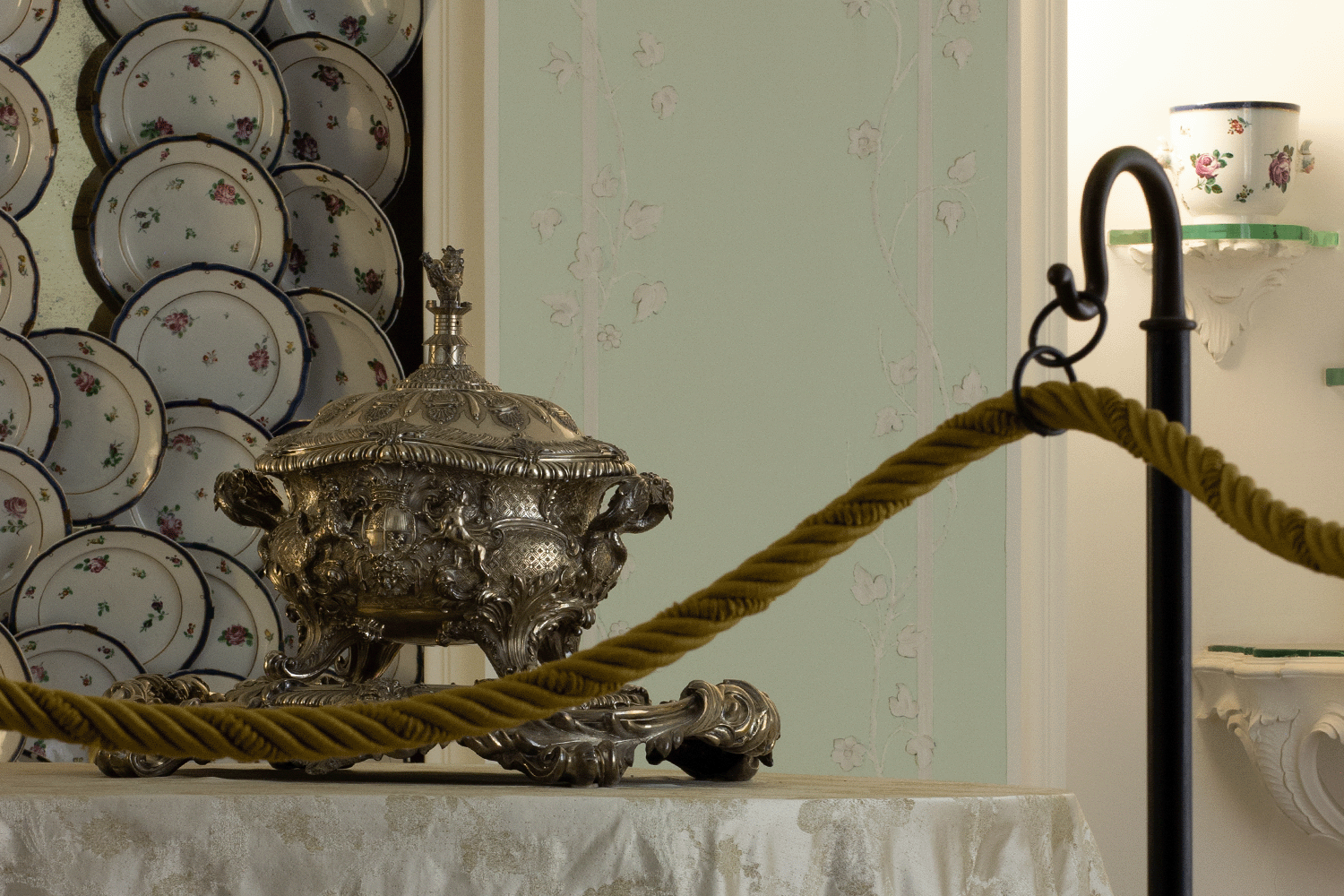
The bond between Vittorio Cini and the brilliant and visionary architect Tomaso Buzzi (1900-1981), once described as “the most cultured of architects”, was a long-standing and affectionate one, originating from Buzzi’s established friendship with Count Cini from the 1930s, when the architect worked on the interior design of Cini’s Villa di Montericco in Monselice (1938-1942). These were the years of Tomaso Buzzi’s full professional success in the field of private architecture: he was a cultured designer, a respectful restorer, and a refined creator of homes and gardens for the rising bourgeoisie and the most progressive aristocracy. He became a sensitive arbiter of elegance, capable of blending sophisticated historicism—rich with antique references and ‘style’ setting with the Novecento and Art Deco influences of 1920s Milan. Among his many clients, the elite of the economy, politics, culture, and intellectual circles, many had ties to Vittorio Cini through business, friendship, intellectual relations, and collecting: from the Volpi di Misurata family to the antique dealer Alessandro Contini Bonacossi, from Minister Giovanni Gentile to the bibliophile and scholar Tammaro de Marinis. For Cini, Tomaso Buzzi was the architect of choice, able to give form to the desires for renewal expressed in numerous residences. In the early 1940s, alongside the furnishing and arrangement of the Villa di Rimini, Buzzi began his first interventions to modernize and update Cini’s residence on the Grand Canal, Palazzo Cini. This path culminated between 1956 and 1958 with the creation of the neoclassical oval drawing room, designed to scenographically display the 18th-century Cozzi porcelain service, and the famous spiral staircase.


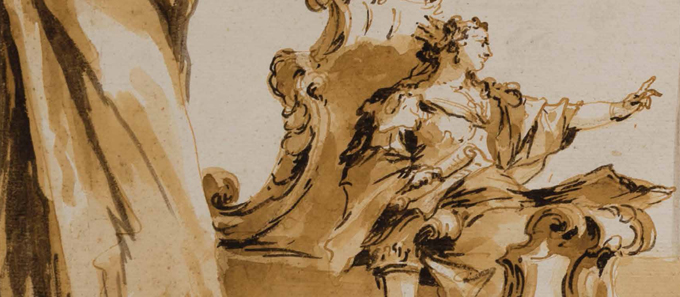
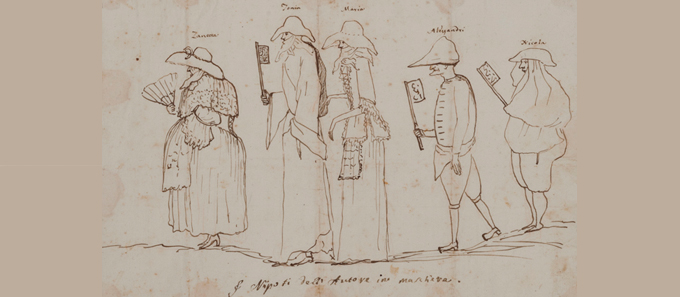
The harmonious relationship between Buzzi and Count Cini, and with the Foundation established in 1951 on San Giorgio Island, led the architect to donate 138 drawings to the Cini Foundation. These included capricci, views, phantasmagorias, scenes of Venetian fêtes, ceremonies, and concerts, recently exhibited in the 2021 show Venezia è tutta d’oro. Tomaso Buzzi: disegni “fantastici” (1948–1976), curated by Valerio Terraroli, held in the evocative spaces of the Longhena Library, marking forty years since the passing of this key figure in modern Italian taste.


11:00 AM | Download the invitation.

    Institute of Art History

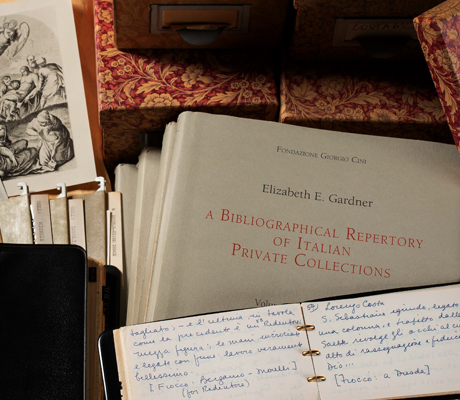
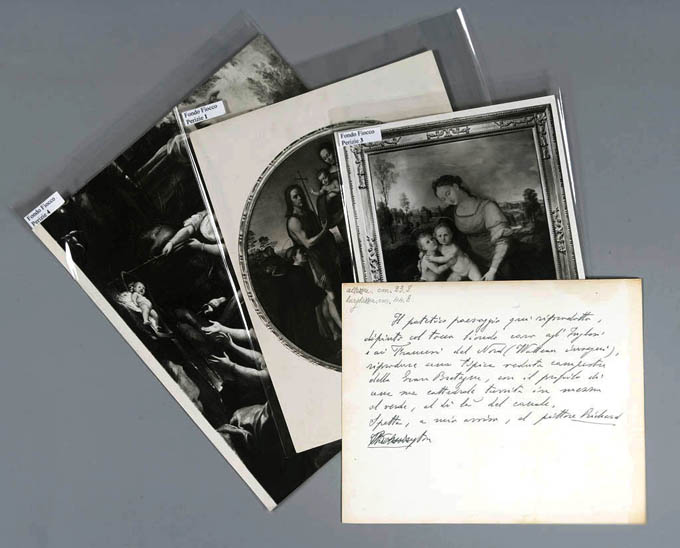
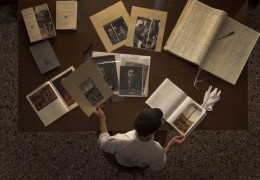
    The Institute of Art History promotes meetings and study conferences, whilst preserving a remarkable collection of artworks, particularly drawings, paintings, illustrated manuscripts, and rare books. Additionally, it houses the archives and collections of esteemed art historians specialising in the art of the Veneto region. The Institute is also actively involved in publishing catalogues, book series, and journals, and it organises significant exhibitions of ancient, modern, and contemporary art.

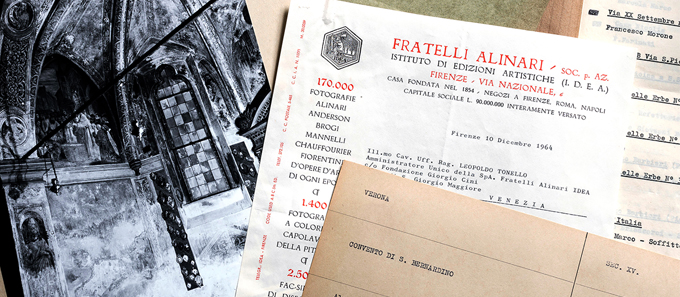
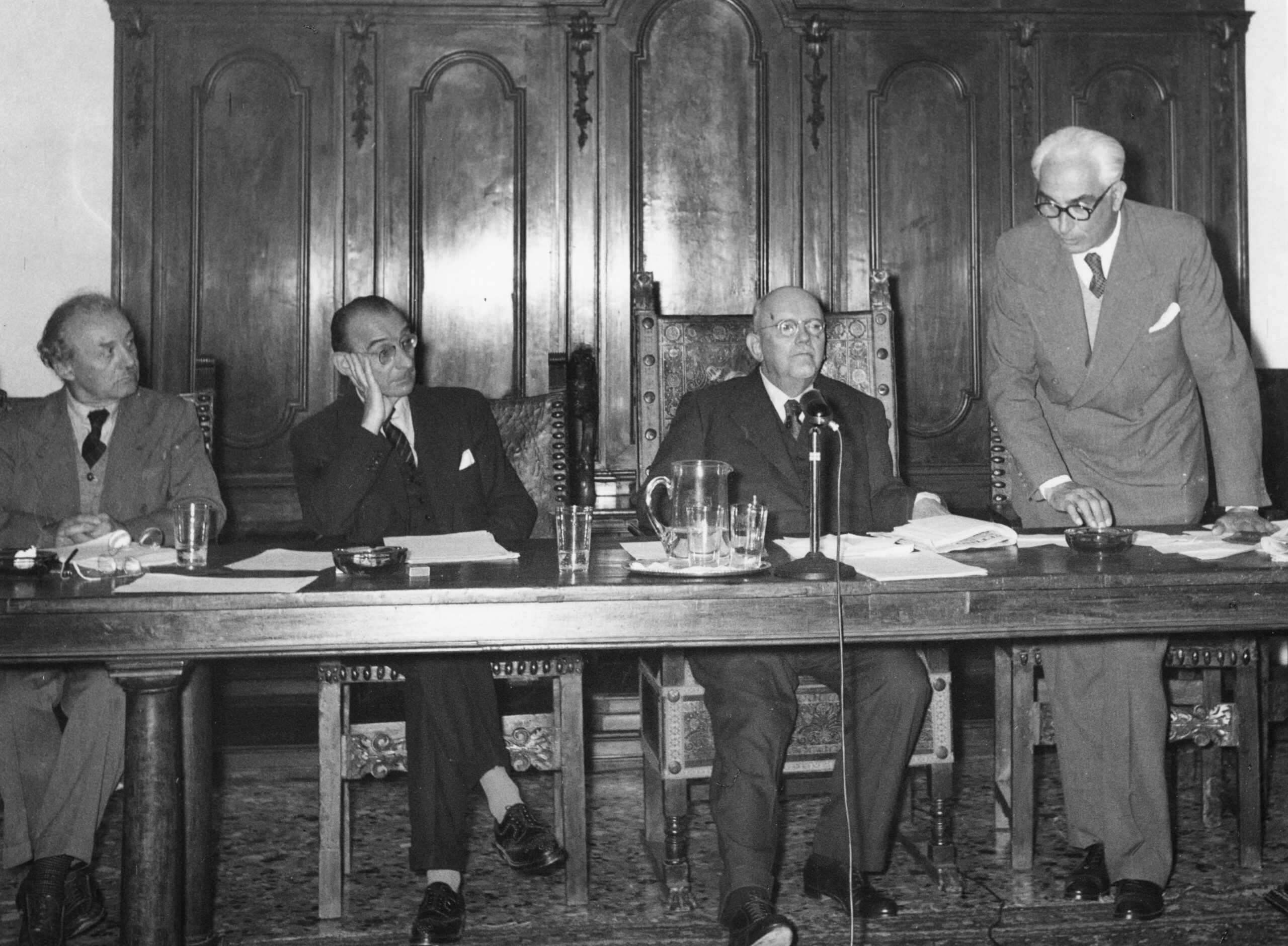
    The Institute of Art History was founded in 1954 through the initiative of Giuseppe Fiocco, following an agreement between the University of Padua and the Fondazione Giorgio Cini. It was established in the tradition of German art history institutes. The Institute was officially introduced at the XVIII International Congress of the History of Art, held in Venice in 1955. From the outset, the development of the book collections began, notably with the acquisition of the Fiocco Library and the Photo Library. In the 1960s, thanks to Vittorio Cini, the Institute’s research was further enriched by a substantial collection of artworks. The Institute houses the Photo Library, which contains an impressive historical photographic archive, and the Library, one of the largest in the art world in terms of volumes. Since 2012, it has also been home to the Glass Study Centre, as well as the collections of Palazzo Cini at San Vio.

    The Institute publishes two Class A scientific journals, recognised by ANVUR. These are Arte Veneta, founded in 1947 under the direction of Rodolfo Pallucchini, and Saggi e Memorie di Storia dell’Arte, which has been publishing contributions on Italian and European art with an interdisciplinary approach since 1957.

    Since 2013, the Institute has been directed by Luca Massimo Barbero.

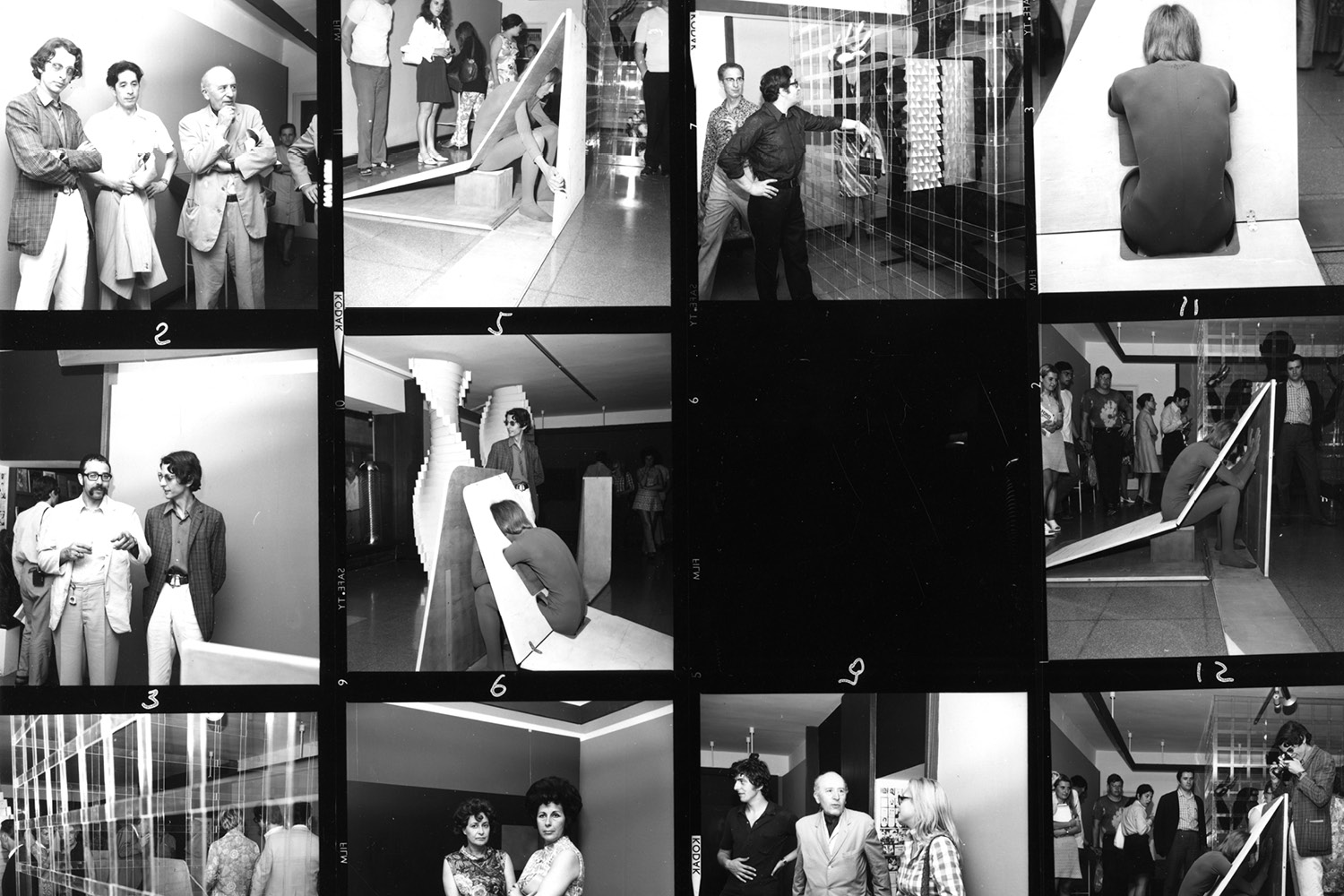
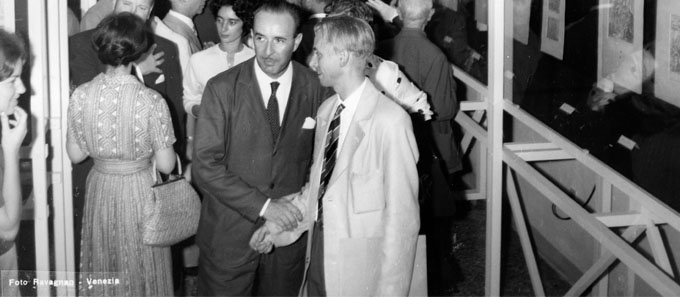
    721st Cavallino Exhibition Anticipazioni memorative. Anselmi-Costalonga-Fulgenzi-Patelli-Perusini, 1970: proof prints featuring images from the opening.

    The Institute, founded in 1954, promotes and supports research in the field of art history, with a particular focus on the Veneto region. It preserves a remarkable collection of artworks, as well as documentary and photographic archives. The Institute also publishes scientific works and organises exhibitions of ancient, modern, and contemporary art.

    GLASS STUDY CENTRE

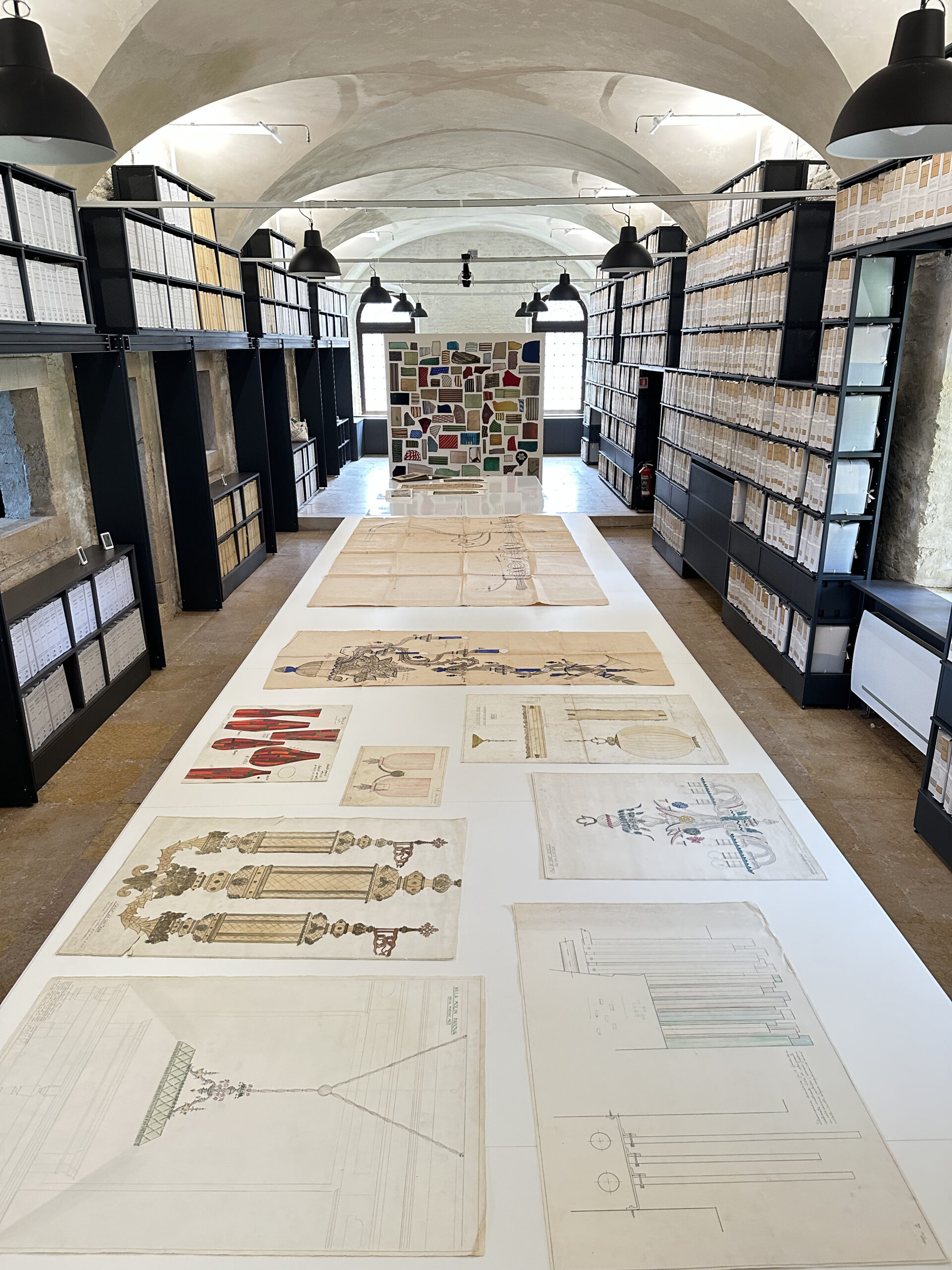
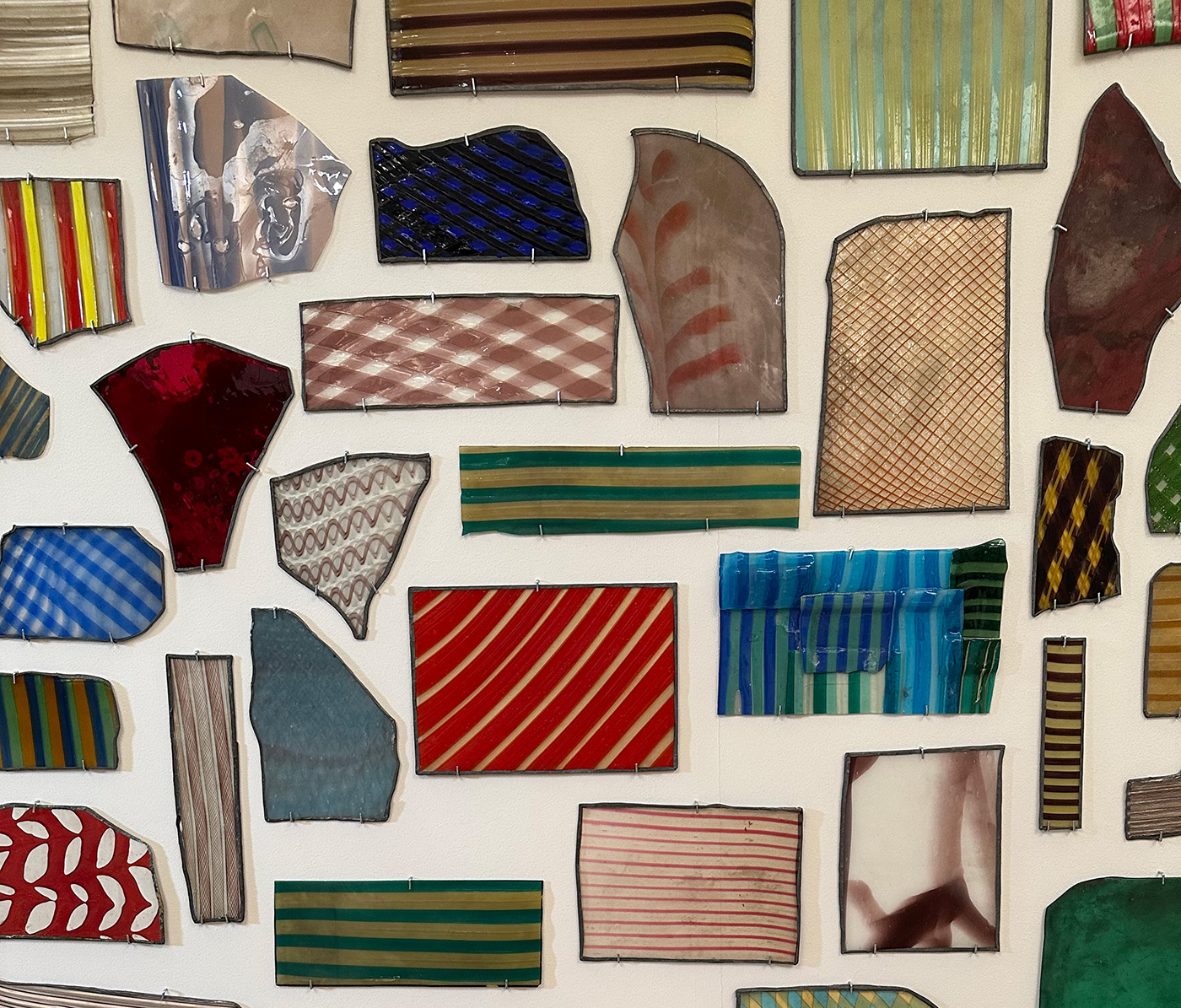
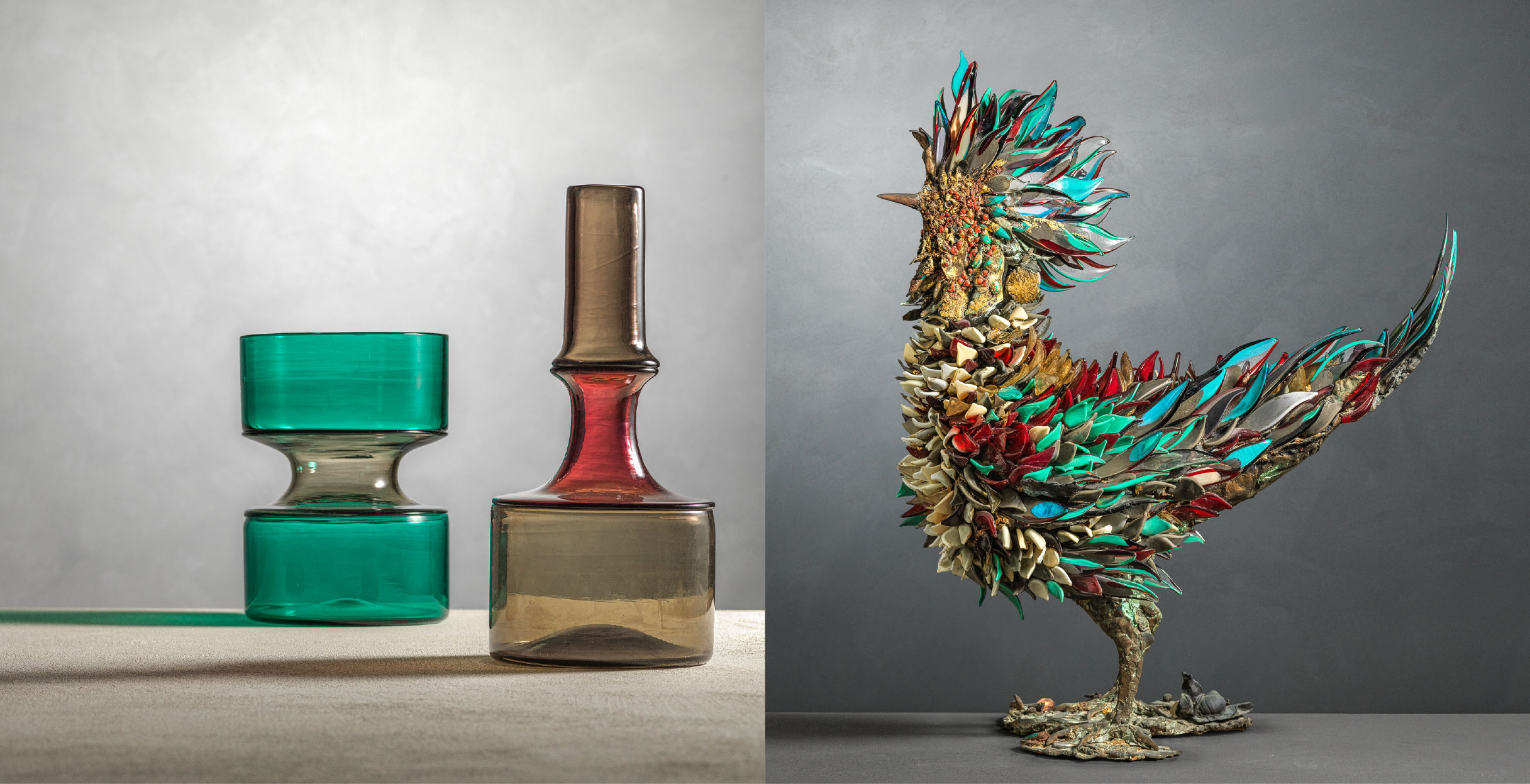
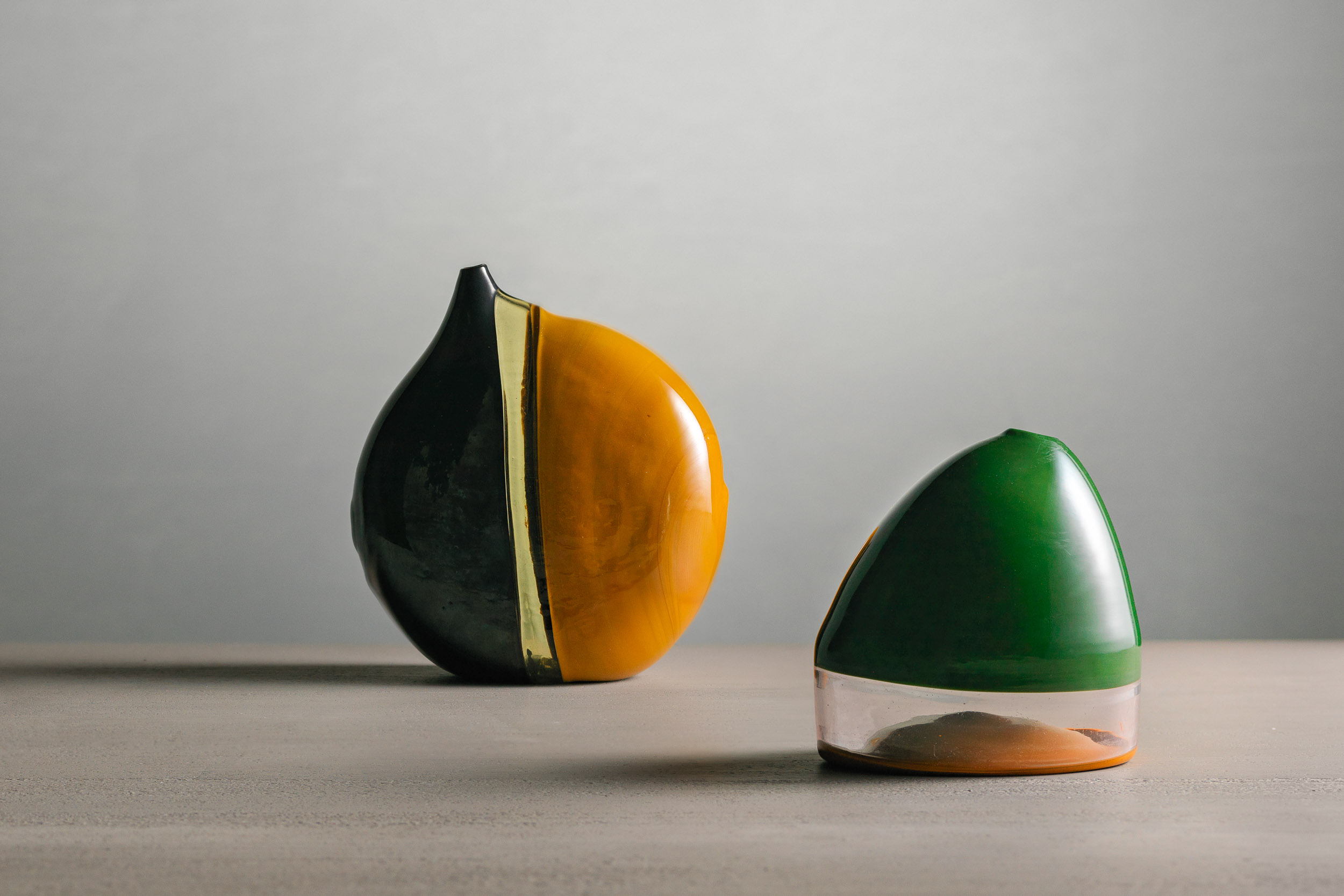
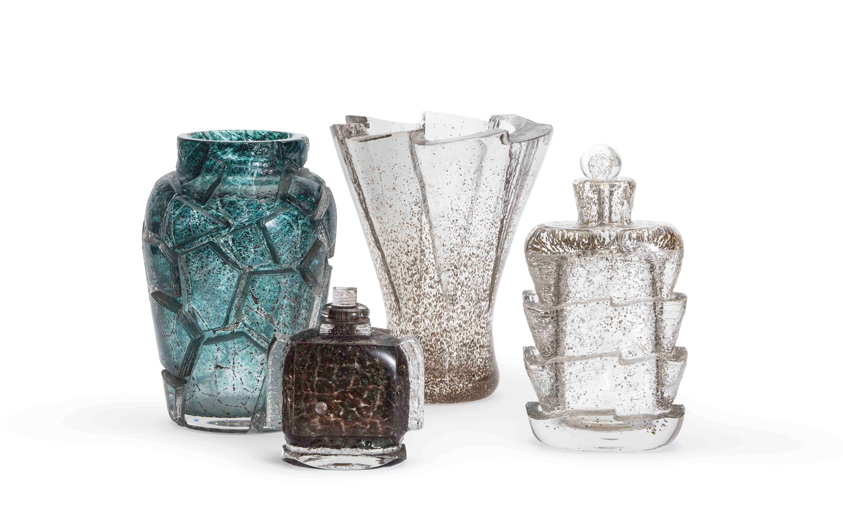
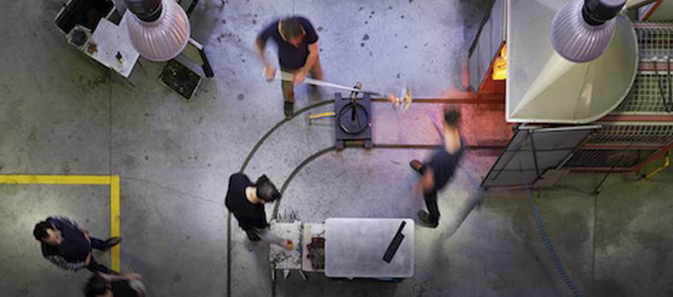
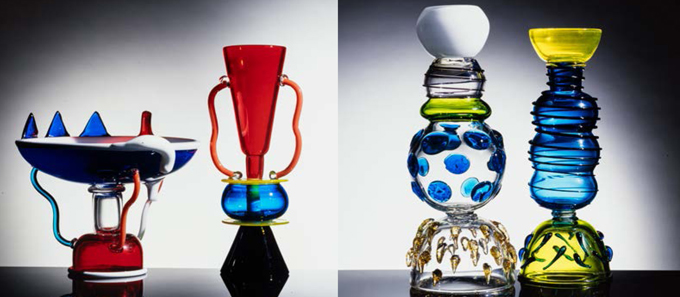
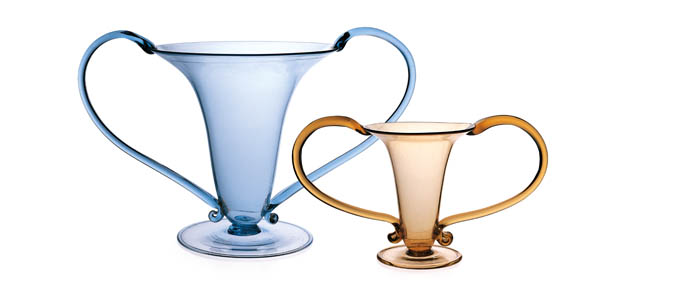
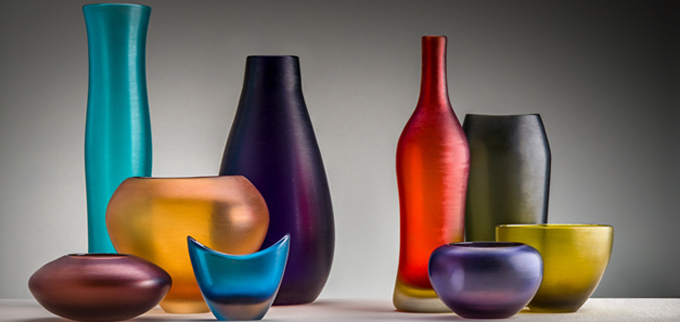
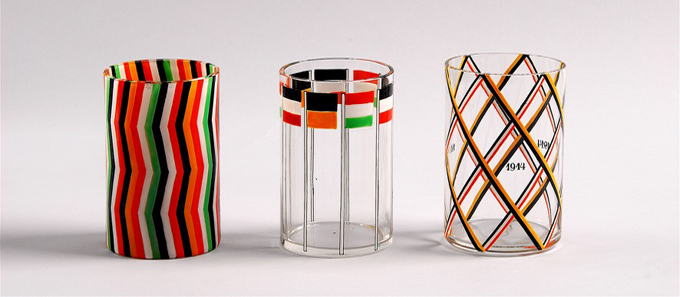
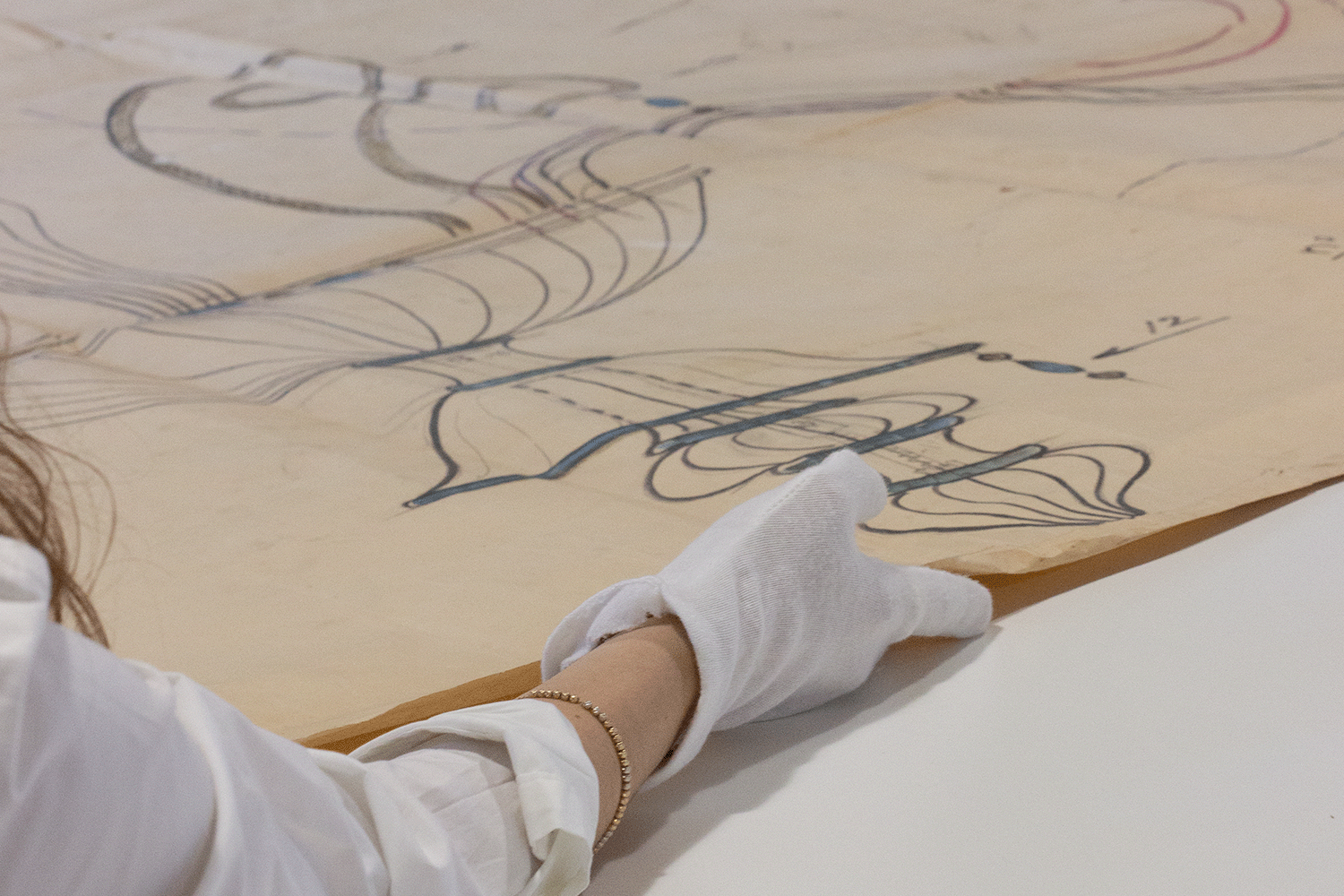
    The Glass Study Centre, established in 2012 in partnership with Pentagram Stiftung, is now the most important general archive of Venetian glass. Over the years, it has gathered invaluable documentary collections from the major historical glassworks of Murano. With its two hundred and fifty thousand documents, including drawings, sketches, and executive projects, the Centre is unique in its field. The collection of graphic archives is further complemented by period photographs, correspondence, albums, gold books, and valuable catalogues. Additionally, there are warehouse and shipment registers, patents, and invoices precious materials for reconstructing the history of glassmaking activities.

    PALAZZO CINI

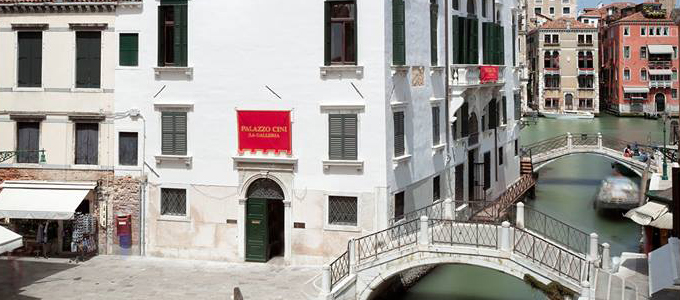
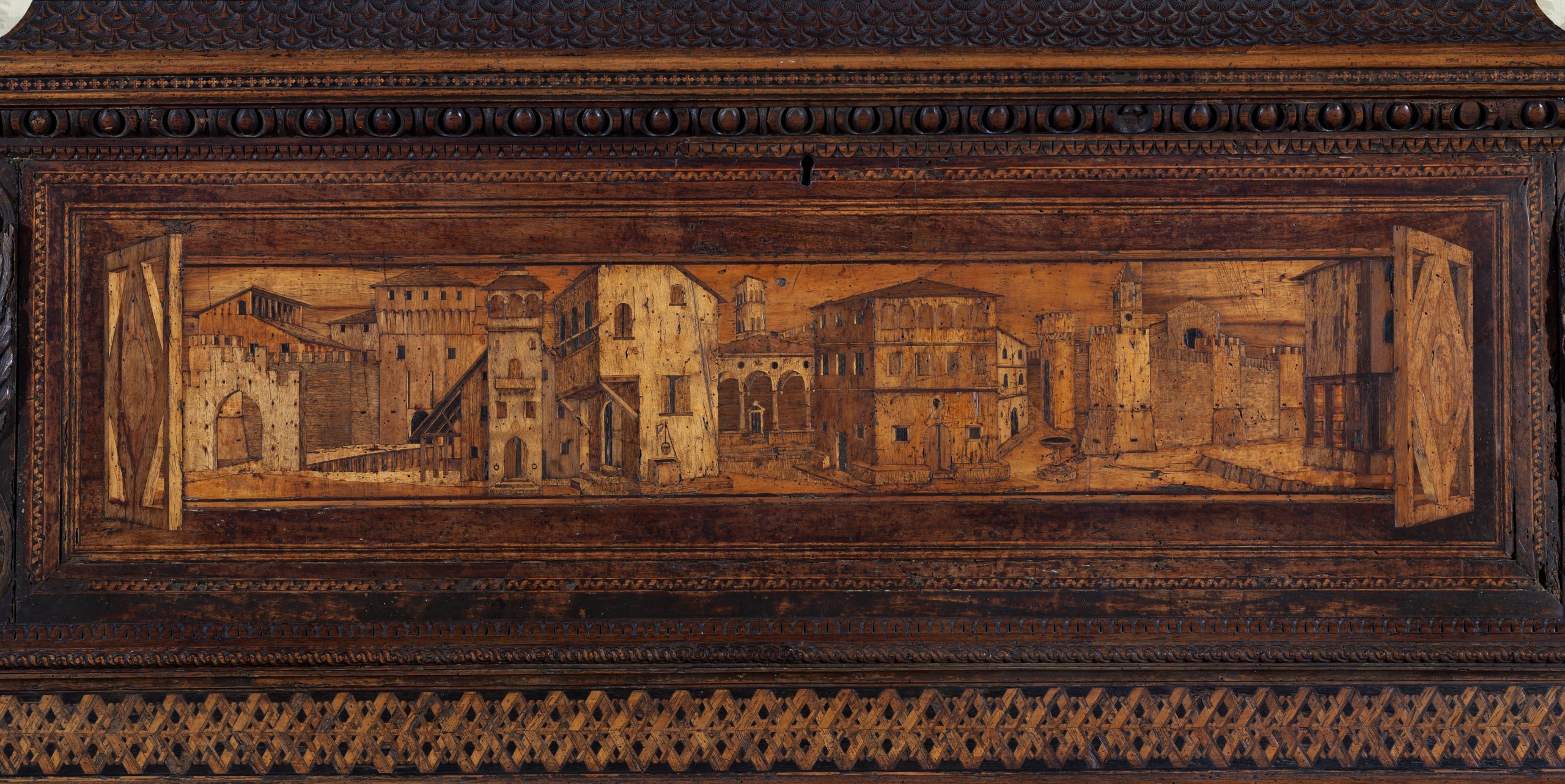
    The Galleria of Palazzo Cini, a refined house-museum in San Vio, Dorsoduro, was reopened in 2014 and hosts exhibitions of ancient and contemporary art. Founded in 1984, it preserves a precious nucleus of the antique art collection of one of the most important collectors of the 20th century in Italy: the entrepreneur and philanthropist Vittorio Cini (1885-1977).

    Institute of Art History

    DIRECTOR
    Luca Massimo Barbero

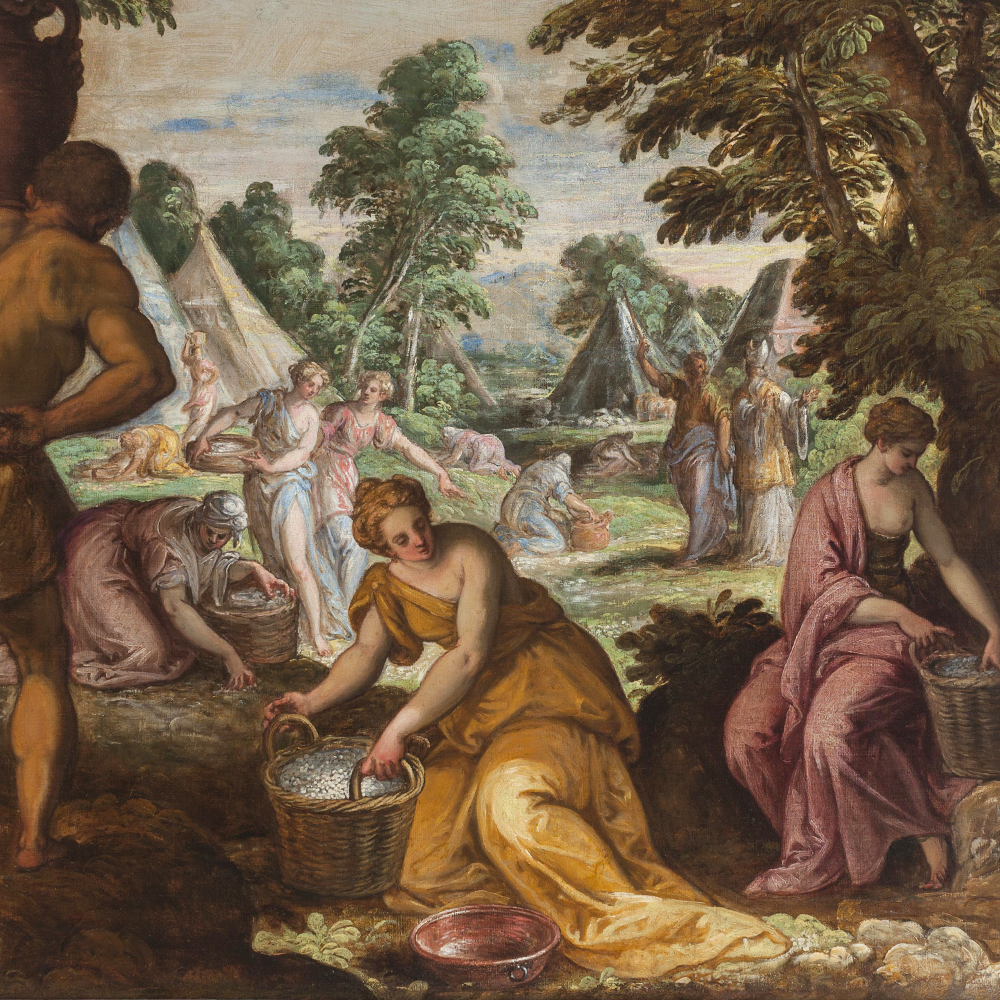
    A Guest at the Castle. The Gathering of the Manna by Pauwels Franck (Paolo Fiammingo)

    The annual programme of joint initiatives with the Veneto Regional Council concerning Monselice Castle was inaugurated with the conference held in the ancient manor house on 27 June 2023 entitled ‘The Monselice armoury, one of the finest collections of weaponry in Italy’, during which the new portal for online consultation of the Regional Photo Library was presented, of which the photographs of the castle armoury – a collection of no fewer than 904 weapons, second in the Veneto region only to that of the Armoury of the Doge’s Palace in Venice – constitute one of the most interesting and articulated sections. This first initiative is followed by a second major event: from 12 October 2023 one of the most valuable paintings owned by the Fondazione Giorgio Cini, from the collections of Vittorio Cini and once housed in his residence in Monselice, will be displayed in the rooms of Monselice Castle: The Gathering of Manna by Pauwels Franck.
    This is a mature work by Pauwels Franck or Francken (better known in Italy as Paolo Fiammingo), a master from Antwerp and pupil and collaborator of Tintoretto, who specialised in Venice with a prolific workshop and a genre production oriented towards landscape, where the Flemish and Venetian traditions come together.


    The exhibition at Monselice Castle offers an opportunity to admire and introduce to the public the painting which is already part of the Vittorio Cini Collection, fully restored to its former glory thanks to the restoration work carried out in 2011.


    This activity is realised with the contribution of the Veneto Region.

    A Guest at the Palace | “Warsaw, church of the Holy Cross” by Bernardo Bellotto

    The Guest at the Palace initiative, promoted by the Art History Institute of the Fondazione Giorgio Cini, was created through collaborations with some of the most prestigious Italian and international museum institutions. Conceived to temporarily enrich the museum holdings of Galleria di Palazzo Cini, the project features the exhibition of particularly important artworks granted on extraordinary loan and hosted for several months in the historic residence of Vittorio Cini, which houses the masterpieces of his remarkable art collection.

    The season at the Galleria di Palazzo Cini in San Vio continues with the arrival of a new special guest. It is the unique painting by Bernardo Bellotto (Venice, 30 January 1721 – Warsaw, 17 October 1780), entitled Warsaw, Church of the Holy Cross, dated 1778, on loan from the Royal Castle Museum in Warsaw. The work will be on display in the Gallery’s rooms from 15 July to 15 October 2023 as part of the exhibition.

    [accordion][/accordion]
    [accordion_entry title=”Warsaw, church of the Holy Cross”]

    The painting Warsaw, Church of the Holy Cross by Bernardo Bellotto depicts the imposing Baroque façade of the Church of the Holy Cross – one of Warsaw’s most important churches and the venue for state ceremonies – which dominates Krakowskie Przedmieście (the Krakow Suburb), a bustling thoroughfare and the final stretch of the road connecting the two royal residences, Wilanów Palace and the castle in the Old Town.


    The church was built between 1725 and 1737 to a design by the Ticino architect Giuseppe Fontana; it was severely damaged during the 1944 uprising and rebuilt between 1945 and 1953, partly thanks to this very painting by Bellotto.


    A dense row of noble palaces lines the street, with, on the right, the façade of St. Roch’s Hospital, founded in 1707. Among the illuminated buildings opposite the church, the entrance gate to the courtyard of Kazimierz Palace stands out; since 1816, with its ups and downs, it has been the seat of the University of Warsaw. The neighbouring palace, with a balcony, belonged to King Poniatowski’s father; further on, where the street narrows, the boundary wall of the Lubomirski Palace and the scaffolding on the façade of the Carmelite church, then under construction.

    [/accordion_entry]
    [accordion][/accordion]
    [accordion][/accordion]
    [accordion_entry title=”Opening hours and access procedures”]

    Open daily from 11am to 7pm, closed on Tuesdays.

    [/accordion_entry]
    [accordion][/accordion]
    [accordion][/accordion]
    [accordion_entry title=”All editions”]

    May 24 – July 21, 2014

    Portrait of a Young Man with a Lute by Agnolo Bronzino


    September 5 – November 2, 2014

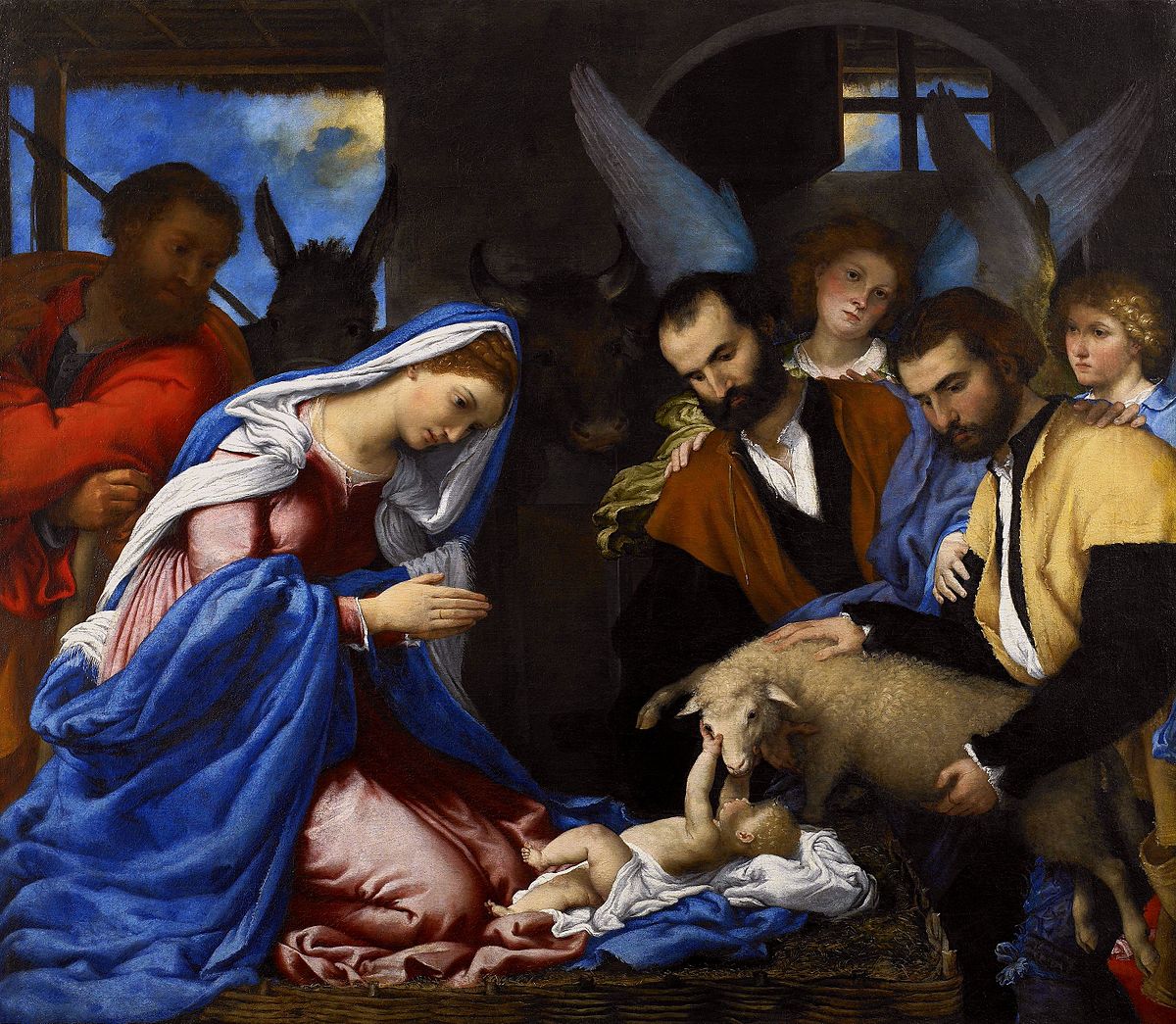
    Adoration of the Shepherds by Lorenzo Lotto 


    June 17 – September 28, 2015

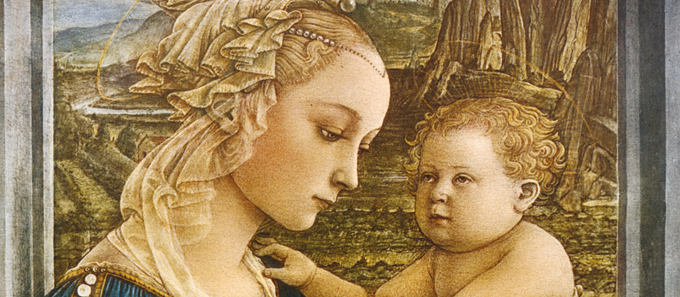
    The Madonna of Pontassieve by Beato Angelico


    September 19 – November 15, 2015

    Capriccio with a Small Square by Francesco Guardi  


    April 8 – June 6, 2016

    Saint Mark by Andrea Mantegna


    May 28 – November 1, 2021

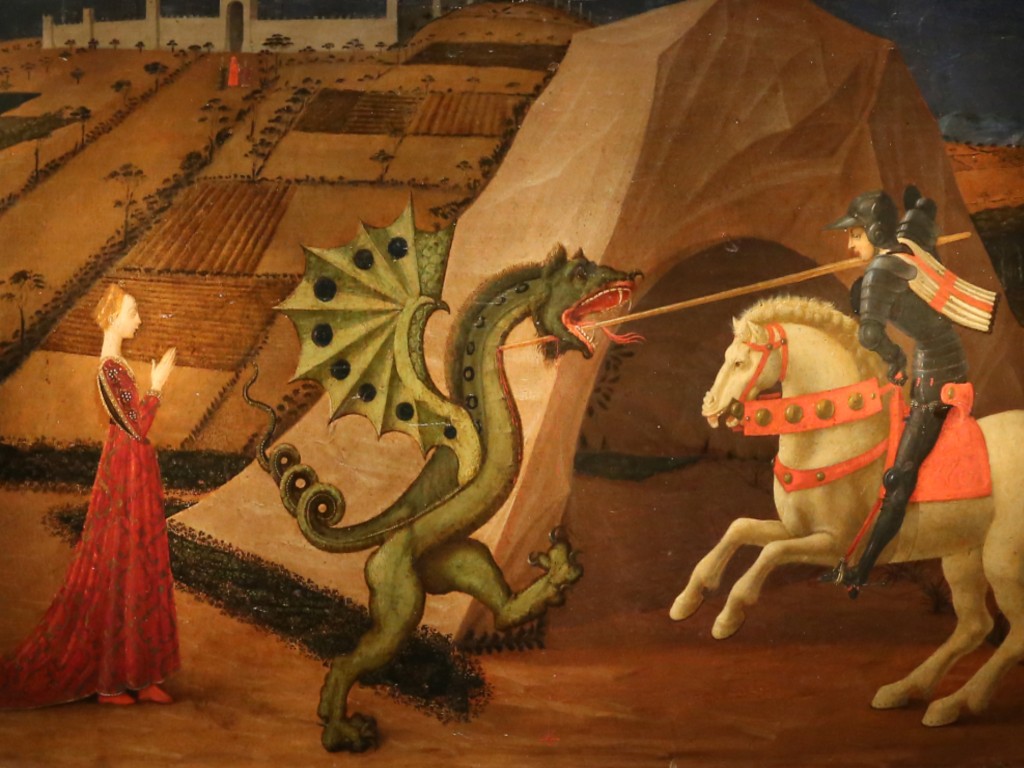
    Saint George and the Dragon by Paolo Uccello


    July 15 – October 15, 2023

    Warsaw, Church of the Holy Cross by Bernardo Bellotto


    May 11 – July 16, 2023

    Cleopatra by Artemisia Gentileschi


    May 14 – September 8, 2025

    The Crucified Christ by Antoon van Dyck


    June 18  — September 27, 2026

    Minerva Infuses the Soul into the Human Figure Modeled in Clay by Prometheus
    [/accordion_entry]
    [accordion][/accordion]

    A Guest at the Palace | “Cleopatra” by Artemisia Gentileschi

    The Guest at the Palace initiative, promoted by the Art History Institute of the Fondazione Giorgio Cini, was created through collaborations with some of the most prestigious Italian and international museum institutions. Conceived to temporarily enrich the museum holdings of Galleria di Palazzo Cini, the project features the exhibition of particularly important artworks granted on extraordinary loan and hosted for several months in the historic residence of Vittorio Cini, which houses the masterpieces of his remarkable art collection.

    From 11 May to 16 July, the Gallery will host a painting by Artemisia Gentileschi (Rome 1593 – Naples 1652/1653) depicting Cleopatra, from the Cavallini Sgarbi Collection: the work by the famous painter, whose activity in Venice is documented from 1626 to 1630, will be on display in the Gallery’s rooms to coincide with the loan of a group of paintings from Ferrara, from the Palazzo Cini collection, to the exhibition ‘Ercole de’ Roberti and Lorenzo Costa’, which will be held in Ferrara in early 2023.

    [accordion][/accordion]
    [accordion_entry title=”Cleopatra”]

    Artemisia Gentileschi’s painting  Cleopatra – depicting one of the most fascinating figures of antiquity – embodies the theme of the exemplum virtutis of the heroine who chose death by the lethal bite of an asp rather than suffer public humiliation.

    Portrayed in three-quarter profile, with her right arm stretched forward, the protagonist melodramatically displays her voluptuous nakedness, so that within this visually striking depiction, a sense of pain and heroism is overlaid with an irrepressible erotic charge.

    The vigorous and sensual Cleopatra – in whose face one has thought to recognise the features of Artemisia herself – is seated upon a red drape which, as has been noted, is beautifully harmonised with the ivory glow of her flesh and the dark shadow of her belly, left boldly exposed.

    The Egyptian queen’s tragic end is captured on the canvas with a theatrical gesture: in a mixture of suffering and languor, the woman brings the snake to her breast, parting her lips and raising her eyes to the sky as the beauty of her face gives way to a grimace.

    [/accordion_entry]
    [accordion][/accordion]
    [accordion][/accordion]
    [accordion_entry title=”Opening hours and access procedures”]

    Open daily from 11am to 7pm, closed on Tuesdays.

    [/accordion_entry]
    [accordion][/accordion]
    [accordion][/accordion]
    [accordion_entry title=”All editions”]

    May 24 – July 21, 2014

    Portrait of a Young Man with a Lute by Agnolo Bronzino


    September 5 – November 2, 2014

    Adoration of the Shepherds by Lorenzo Lotto 


    June 17 – September 28, 2015

    The Madonna of Pontassieve by Beato Angelico


    September 19 – November 15, 2015

    Capriccio with a Small Square by Francesco Guardi  


    April 8 – June 6, 2016

    Saint Mark by Andrea Mantegna


    May 28 – November 1, 2021

    Saint George and the Dragon by Paolo Uccello


    July 15 – October 15, 2023

    Warsaw, Church of the Holy Cross by Bernardo Bellotto


    May 11 – July 16, 2023

    Cleopatra by Artemisia Gentileschi


    May 14 – September 8, 2025

    The Crucified Christ by Antoon van Dyck


    June 18  — September 27, 2026

    Minerva Infuses the Soul into the Human Figure Modeled in Clay by Prometheus
    [/accordion_entry]
    [accordion][/accordion]