Istituto di Storia dell’Arte Archives - Page 3 of 5 - Fondazione Giorgio Cini

«Saggi e Memorie di storia dell’arte» 45

• Chiara Paniccia, Scolpire l’Exultet, istoriare la colonna. Il programma figurativo del candelabro pasquale tra riforma della Chiesa e imitatio imperii

• Francesco Fratta de Tomas, Pagine di legno: animali fantastici, miti e citazioni arcaiche negli arredi a intaglio piatto del primo Quattrocento

• Fernando Rigon, Ercole in villa. La ‘Virtù heroica

• Francesco Saracino, Allori, Bronzino e la Vergine Incoronata dal Bambino

• Martina Lorenzoni, Federico Zuccari e la serie degli Uomini illustri: un gruppo di disegni inediti

• Enrico Ghetti, Per il problema di Lorenzo Gennari, tra il Guercino, Matteo Loves e Benedetto Zalone

• Sarah Ferrari, Le infinite vie del mercato dell’arte: note a margine di una ricerca sulla dispersione della collezione di Silvio Valenti Gonzaga (1690-1756) tra Svezia e Danimarca

• Orfeo Cellura, Disegni di paesaggio a Bologna fra Sette e Ottocento. Novità dal fondo Certani

• Simona Larghi, La fornace Seguso Vetri d’Arte diretta da Flavio Poli (1937-1963): il settore dell’illuminazione attraverso le testimonianze d’archivio

• Irene Quarantini & Ernesto Damiani, Arte Italiana Contemporanea 1955: filologia di una mostra itinerante

• Elisa Prete, Find some friend of Italian art in America. Le relazioni internazionali della Galleria dell’Ariete di Milano

«Saggi e Memorie di storia dell’arte» 44 (2020

• Francesca Girelli, Il Maestro delle Virtù di sant’Ansovino: sei nuove statue in Romania e alcune riflessioni su uno scultore del Trecento adriatico


• Lorenzo Principi, Una predella per il Sant’Andrea di Andrea Ferrucci nella cattedrale di Firenze


• Francesco Saracino, Isabella d’Este e il “presepio con santo Zoanne Baptista”


• Antonella Chiodo, Il testamento artistico di Orsola Maddalena Caccia e il ruolo delle sorelle Bottero pittrici nel monastero di Moncalvo


• Simone Guerriero, “Sa temprar col scalpel anco la penna”: per il profilo di Bernardo Falconi


• Gianpasquale Greco, “Assai più credeva egli di sapere di quello che effettivamente sapesse”: Oronzo Malinconico (1661-1709), pittore napoletano
nella scia di Luca Giordano


• Enrico Noè, Gli altari della demolita chiesa di Santa Lucia


• Antonella Bellin, Elena Catra, Anticipando Ruskin. Considerazioni sulla rivalutazione della Presentazione di Gesù al Tempio di Carpaccio nelle prime decadi dell’Ottocento


• Stefania Portinari, “Oh Venezia!”. Le intermittenze del cuore di Filippo de Pisis e i cieli alati di nuvole


• Ambra Cascone, Un poeta alla Biennale: Attilio Bertolucci a Venezia nel 1948 e le cronache per la “Gazzetta di Parma”

Return to Monselice

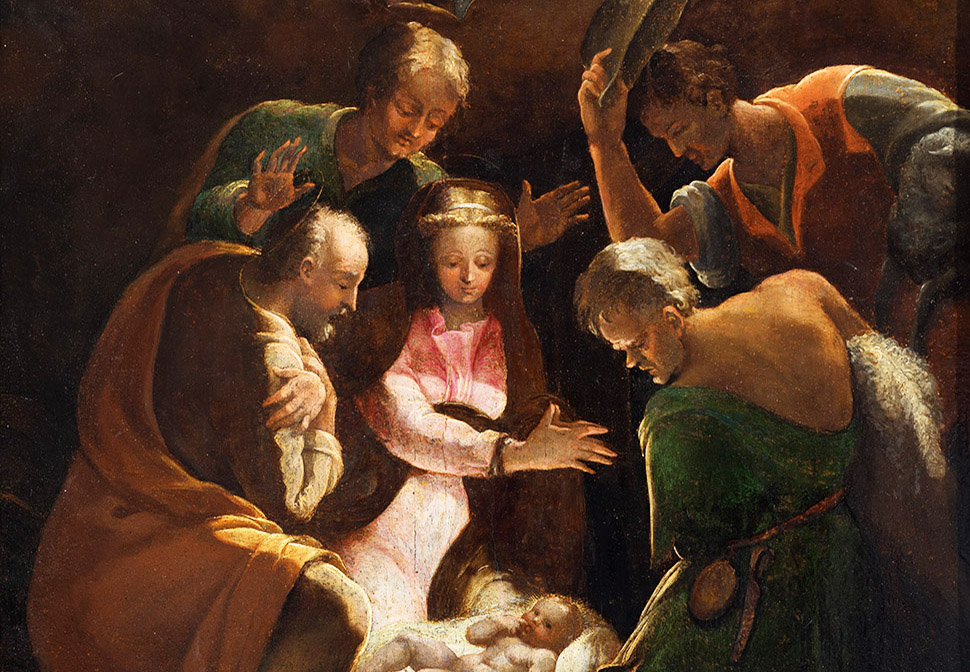
In 1979, over forty works of art were stolen from Monselice Castle, a residence where Vittorio Cini used to enjoy leisure activities and house part of his historic art collection. Thanks to investigations by the Venice Carabinieri Cultural Heritage Protection Unit, three of these works were fortunately recovered and, between 2001 and 2015, returned to the Fondazione Giorgio Cini, which owned the castle at the time of the theft. The works are: a Po Valley artist (Cremona ?) from the last quarter of the 16th century Adoration of the Shepherds, a 17th-century St Luke the Evangelist attributed to Pietro Bellotti, both oil on panel, and a late 15th-century Lombard School polychrome wood bas-relief with the Adoration of the Child. Thanks to an agreement between the Veneto Region, which now owns Monselice Castle, and the Fondazione Giorgio Cini, the works recovered by the Carabinieri will be returned to the splendid setting chosen for them by Vittorio Cini.

The three works will be handed over at an official ceremony with the following speakers:


Francesco Calzavara

Councillor for Planning, Programme Implementation, Relations with the Regional Council, Budget and Heritage, General Affairs, Local Agencies, Veneto Region


Francesca Scatto

Chairman of the Sixth Standing Council Committee (Education, Training and Labour Policies; Research Policies; Culture, Tourism and Sports Policies), Veneto Regional Council


Cristiano Corazzari

Councillor for Territory, Culture, Security, Migratory Flows, Hunting and Fishing, Veneto Region


Giorgia Bedin

Mayor of Monselice 


Aldo Rozzi Marin

Sole Director, Marco Polo Ltd.


Renata Codello

General Secretary, Fondazione Giorgio Cini 


Christian Costantini

Commander, Venice Carabinieri Cultural Heritage Protection Unit


Luca Massimo Barbero

Director, Fondazione Giorgio Cini Institute of Art History

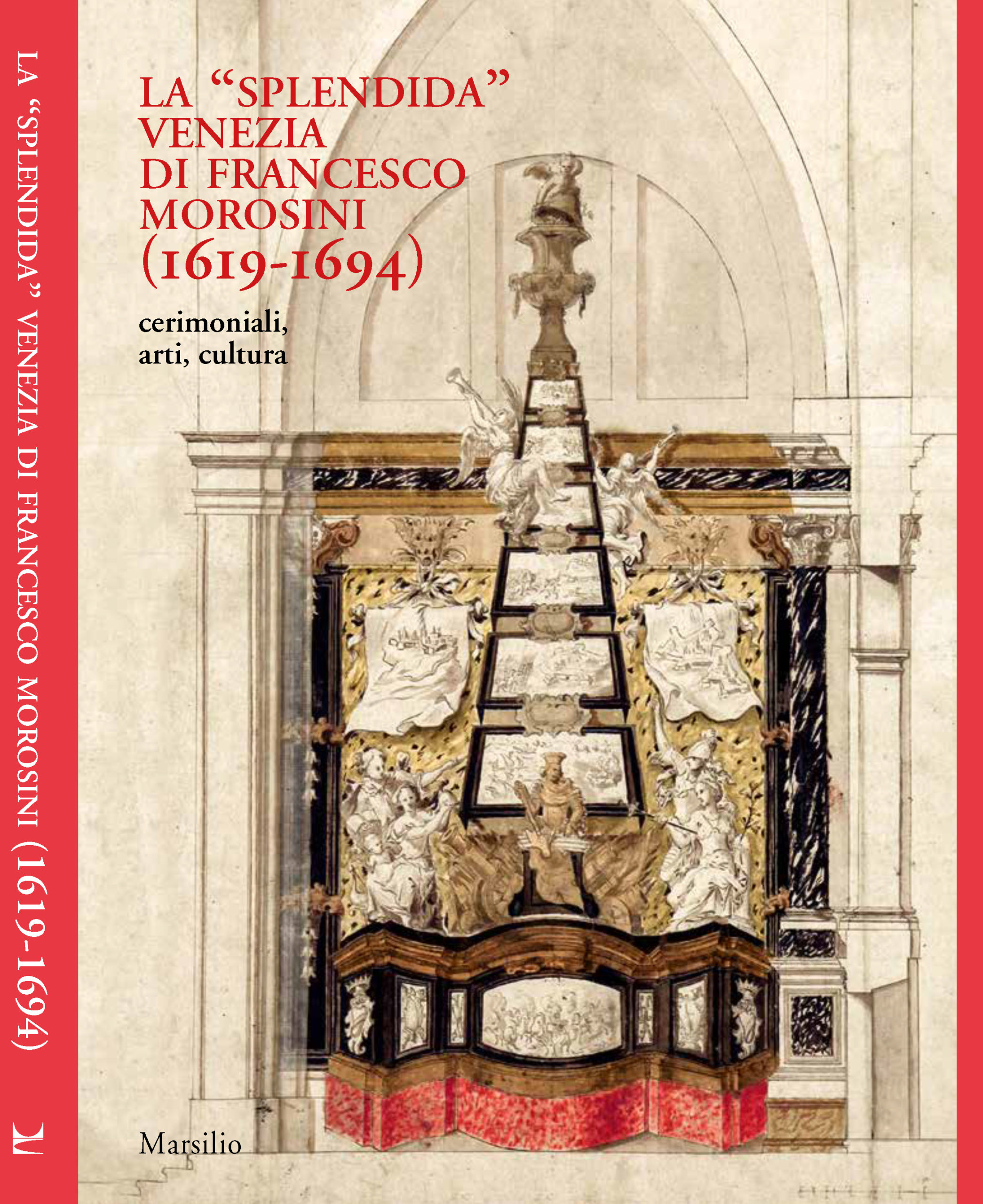
La “splendida” Venezia di Francesco Morosini 1619-1694: cerimoniali, arti, cultura

Edited by Matteo Casini, Simone Guerriero and Vincenzo Mancini

Fondazione Giorgio Cini / Marsilio, Venice 2022

This book brings together the proceedings of the international conference on Francesco Morosini, known as the Peloponnesian (1619-1694), organ- ised by the Institute of Art History as part of the events promoted by the Committee for the Celebrations of the 400th Anniversary of the Birth of Francesco Morosini and held at the Fondazione Giorgio Cini. An admiral, diplomat and then doge, Morosini was the last of the illustrious patricians who made the Serenissima Republic great. He restored some of its former political influence on the international stage and revived the Venetians’ dream of possessing a maritime empire.

The book presents the results of the individual papers, arranged ac- cording to the thematic lines addressed during the two days in Venice. Among the topics examined and illustrated by speakers selected from

Arte Veneta 77 (2020)

CONTENTS

  • Mauro Minardi, Un Arcangelo per gli inizi guarienteschi di Lorenzo Veneziano
  • Davide Civettini, Un’alternativa per il San Michele Arcangelo in San Michele Extra a Verona
  • Michele Guida Conte, L’esordio dell’antico nella Vicenza pre-palladiana? L’altare Velo nella chiesa di Santa Maria in Foro
  • Wolfgang Wolters, Jacopo Tintoretto dipinge per le sale di Palazzo Ducale. Il contributo del pittore all’immagine della Repubblica veneziana
  • Vincenzo Mancini, Luca Ferrari nel Veneto. Precisazioni e addenda
  • Monica De Vincenti, Simone Guerriero, Per Antonio Corradini, “Prometeo Tritoniano” della scultura veneziana
  • Olga Piccolo, Giovanni Battista Cavalcaselle ‘agente’ per la National Gallery di Londra (1855-1869)? Il caso dei dipinti veneti e “veneto-bergamaschi”

NOTICES

  • Beatrice Alai, Ritagli “cortesi” a Norimberga, Stoccarda e Philadelphia
  • Denis Morganti, Un inedito disegno di Vittore Carpaccio nella Galleria Nazionale delle Marche
  • Francesco Saracino, I fiori di Giovannino: Jacopo Bassano e l’immaginazione agiografica
  • Giuseppe Sava, Ritrovamenti e novità per Federico Cervelli e Angelo Trevisani
  • Damir Tulić, Tre nuove opere di Giovanni Marchiori
  • Bernardina Sani, Un oggetto curioso di Horace Walpole. Un rame di Filippo Lauri racchiude una misteriosa miniatura di Marianna Carlevarijs
  • Francesco Baccanelli, Dalla satira alle scene di vita veneziana: il Rutzvanscad il giovine illustrato da Gaetano Zompini
  • Mario Pintarić, Il corredo scultoreo della chiesa parrocchiale di Santa Lucia a Vascon: proposte per Alvise Tagliapietra e Antonio Gai
  • Stefano Aloisi, Non è Palko, ma Zugno
  • Enrico Lucchese, Il ritorno del figliuol prodigo di Pietro Antonio Novelli per il concorso della Scuola della Carità
  • Alessio Costarelli, Per la fortuna del Rinascimento veneziano nell’Inghilterra del XIX secolo: Antonio Canova, George Hayter e un’incisione poco nota dell’Assunta di Tiziano

ARCHIVE PAPERS

  • Matteo Ceriana, Anna Pizzati, Un nuovo documento per Antonio Rizzo nella chiesa olivetana di Sant’Elena a Venezia
  • Georgios E. Markou, An early owner of a Virgin and Child by Giovanni Bellini: the testament of Hieremia Voltera
  • Giordana Mariani Canova, La quadreria dell’appartamento abbaziale di Santa Giustina in Padova nel Settecento attraverso un nuovo inventario (1729)

«Saggi e Memorie di storia dell’arte» 44 (2020)

Edited by the Istituto di Storia dell’Arte


  • Francesca Girelli, Il Maestro delle Virtù di sant’Ansovino: sei nuove statue in Romania e alcune riflessioni su uno scultore del Trecento adriatico
  • Lorenzo Principi, Una predella per il Sant’Andrea di Andrea Ferrucci nella cattedrale di Firenze
  • Francesco Saracino, Isabella d’Este e il “presepio con santo Zoanne Baptista”
  • Antonella Chiodo, Il testamento artistico di Orsola Maddalena Caccia e il ruolo delle sorelle Bottero pittrici nel monastero di Moncalvo
  • Simone Guerriero, “Sa temprar col scalpel anco la penna”: per il profilo di Bernardo Falconi
  • Gianpasquale Greco, “Assai più credeva egli di sapere di quello che effettivamente sapesse”: Oronzo Malinconico (1661-1709), pittore napoletano nella scia di Luca Giordano
  • Enrico Noè, Gli altari della demolita chiesa di Santa Lucia
  • Antonella Bellin, Elena Catra, Anticipando Ruskin. Considerazioni sullarivalutazione della Presentazione di Gesù al Tempio di Carpaccio nelleprime decadi dell’Ottocento
  • Stefania Portinari, “Oh Venezia!”. Le intermittenze del cuore di Filippode Pisis e i cieli alati di nuvole
  • Ambra Cascone, Un poeta alla Biennale: Attilio Bertolucci a Venezianel 1948 e le cronache per la “Gazzetta di Parma”

Arturo Martini, Giorgio Morandi, Filippo de Pisis. The Franca Fenga Malabotta Bequest

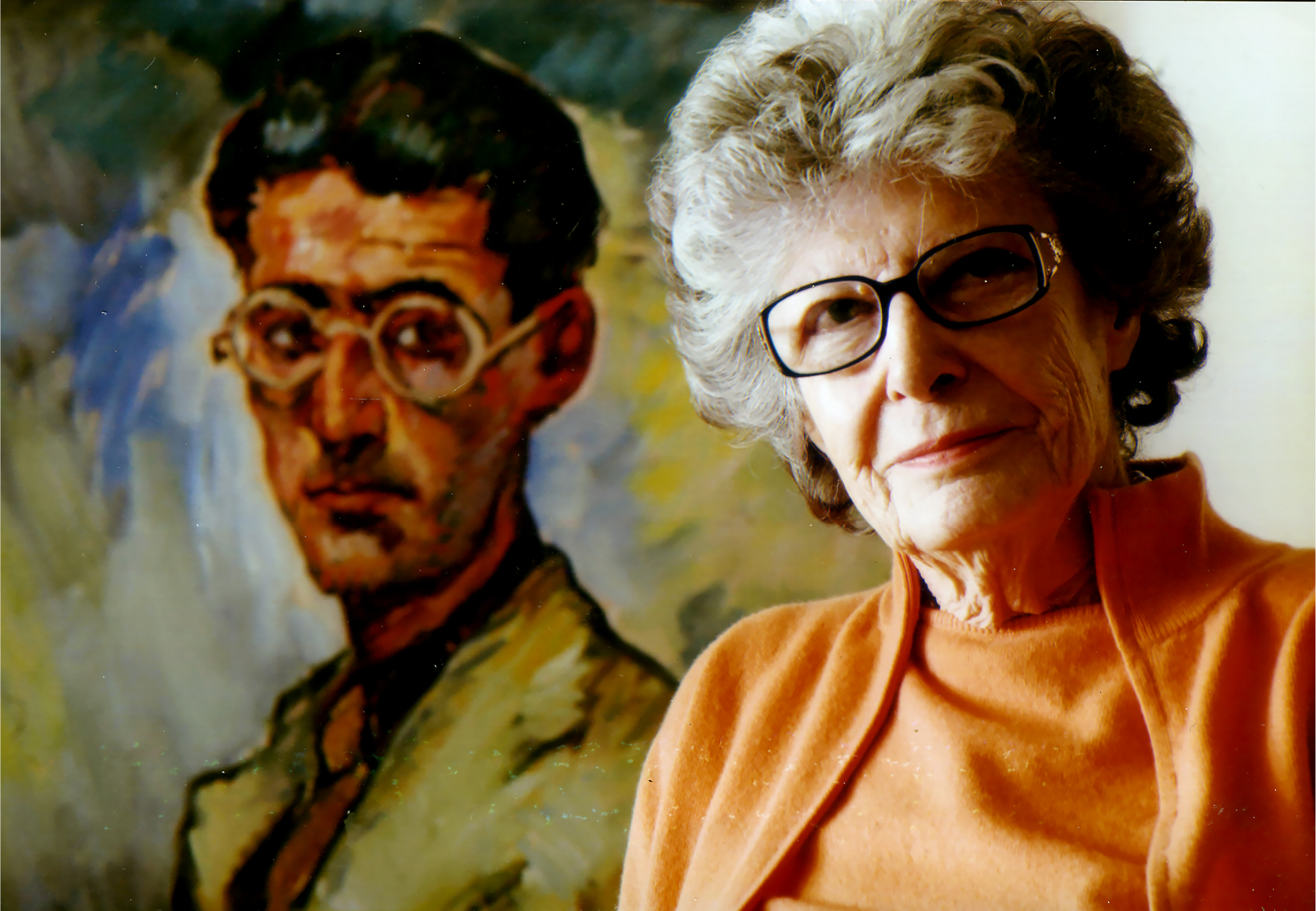
In 2020 the Fondazione Giorgio Cini’s art collections were greatly enhanced thanks to a large bequest made by Franca Fenga Malabotta, widow of the well-known art critic, poet and collector from Trieste Manlio Malabotta (1907-1975), also renowned for his rich collection of paintings and graphic works by Filippo de Pisis, now in the Galleria d’Arte Moderna e Contemporanea, Ferrara.


The bequest includes a sizeable group of graphic works and books illustrated by major 20th-century Italian and Julian artists. Highlights include a watercolour and two etchings by Giorgio Morandi and a fine group of works by Arturo Martini, such as the splendid terracotta Ophelia (1932), a bronze Woman by the Sea (1932), the plaster cast Thirst (a bozzetto for the Finale stone sculpture of the same name, 1934), and a Still Life (oil on cardboard, 1945). The bequest presented to the Fondazione Giorgio Cini is the last step in a far-sighted strategy to find institutional homes for Malabotta’s important collection, which in 2015 had seen the donation of a large group of Triestine and Julian works to the Museo Revoltella, Trieste. One of the most important acquisitions in recent years for the Cini Institute of Art History, the bequest has considerable enriched its collection of 20th-century graphic works.

Specifically conceived for the first floor of the Palazzo Cini Gallery, the exhibition features the works of three artists who are most representative of Malabotta’s taste and collecting preferences. The exhibition is also a tribute to Franca Fenga Malabotta, who recently passed

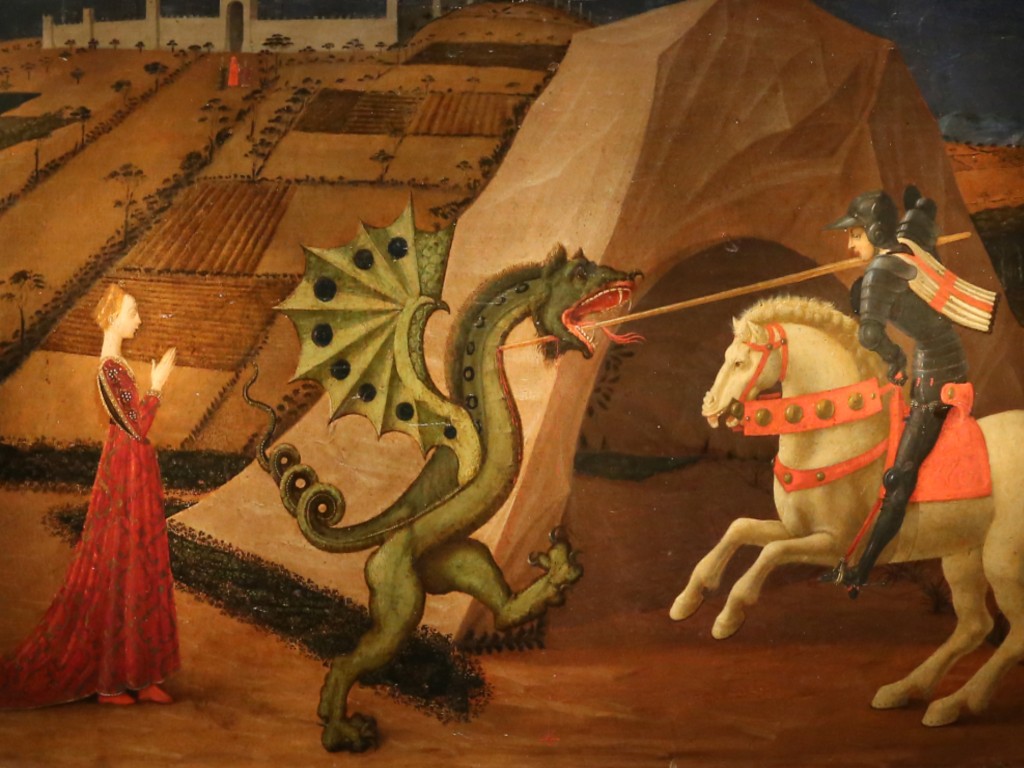
A Guest at the Palace | “Saint George and the Dragon” by Paolo Uccello

The Guest at the Palace initiative, promoted by the Art History Institute of the Fondazione Giorgio Cini, was created through collaborations with some of the most prestigious Italian and international museum institutions. Conceived to temporarily enrich the museum holdings of Galleria di Palazzo Cini, the project features the exhibition of particularly important artworks granted on extraordinary loan and hosted for several months in the historic residence of Vittorio Cini, which houses the masterpieces of his remarkable art collection.

From 28 May to 1 November 2021, to mark the 70th anniversary of the Giorgio Cini Foundation (1951–2021), one of the most remarkable works by the celebrated Florentine Renaissance artist Paolo Uccello is on display: the panel depicting St George and the Dragon, generously loaned by the Musée Jacquemart-André in Paris to coincide with the loan of Botticelli’s The Judgement of Paris from the Cini collection for the exhibition Botticelli. Un laboratoire de la Renaissance (11 September 2020 – 25 January 2021). The presence of this Parisian masterpiece enriches the core of the Florentine 15th-century section of the permanent collection, creating new resonances; and symbolically evokes the miles christianus that features prominently in the logo of the institution founded on the island of San Giorgio Maggiore in 1951, at the behest of Vittorio Cini in memory of his son Giorgio.

[accordion][/accordion]
[accordion_entry title=”Saint George and the Dragon by Paolo Uccello”]
The painting of St George and the Dragon was purchased by Nélie Jacquemart at the Stevens auction in London in 1899; it had previously been in the collection of the Florentine antiquarian Stefano Bardini.


The painting is characterised by an elegant heraldic-chivalric composition that captures the climactic moment of the action: St George, lance at the ready, has just pierced the monster’s jaws, piercing its three-pronged tongue; the surcoat bearing the cross banner (the Cross of St George) rises above the armour in the heat of the assault, whilst the horse rears up; balancing the dynamism of the struggle is the silhouette of the princess, cloaked in a precious floral-patterned robe of embossed velvet.


The rural landscape is not reduced to a single vanishing point, but consists of two sections conceived from different angles of view: the ploughed fields stretch out before us, with the path coming to life with figures and leading straight to the white, turreted walls; to the right, the bird’s-eye view, amidst the gentle slopes, widens and compels us to look up.

[/accordion_entry]
[accordion][/accordion]
[accordion][/accordion]
[accordion_entry title=”Opening hours and access procedures”]

Open daily from 11am to 7pm, closed on Tuesdays.

[/accordion_entry]
[accordion][/accordion]
[accordion][/accordion]
[accordion_entry title=”All editions”]

May 24 – July 21, 2014

Portrait of a Young Man with a Lute by Agnolo Bronzino


September 5 – November 2, 2014

Adoration of the Shepherds by Lorenzo Lotto 


June 17 – September 28, 2015

The Madonna of Pontassieve by Beato Angelico


September 19 – November 15, 2015

Capriccio with a Small Square by Francesco Guardi  


April 8 – June 6, 2016

Saint Mark by Andrea Mantegna


May 28 – November 1, 2021

Saint George and the Dragon by Paolo Uccello


July 15 – October 15, 2023

Warsaw, Church of the Holy Cross by Bernardo Bellotto


May 11 – July 16, 2023

Cleopatra by Artemisia Gentileschi


May 14 – September 8, 2025

The Crucified Christ by Antoon van Dyck


June 18  — September 27, 2026

Minerva Infuses the Soul into the Human Figure Modeled in Clay by Prometheus

[/accordion_entry]
[accordion][/accordion]
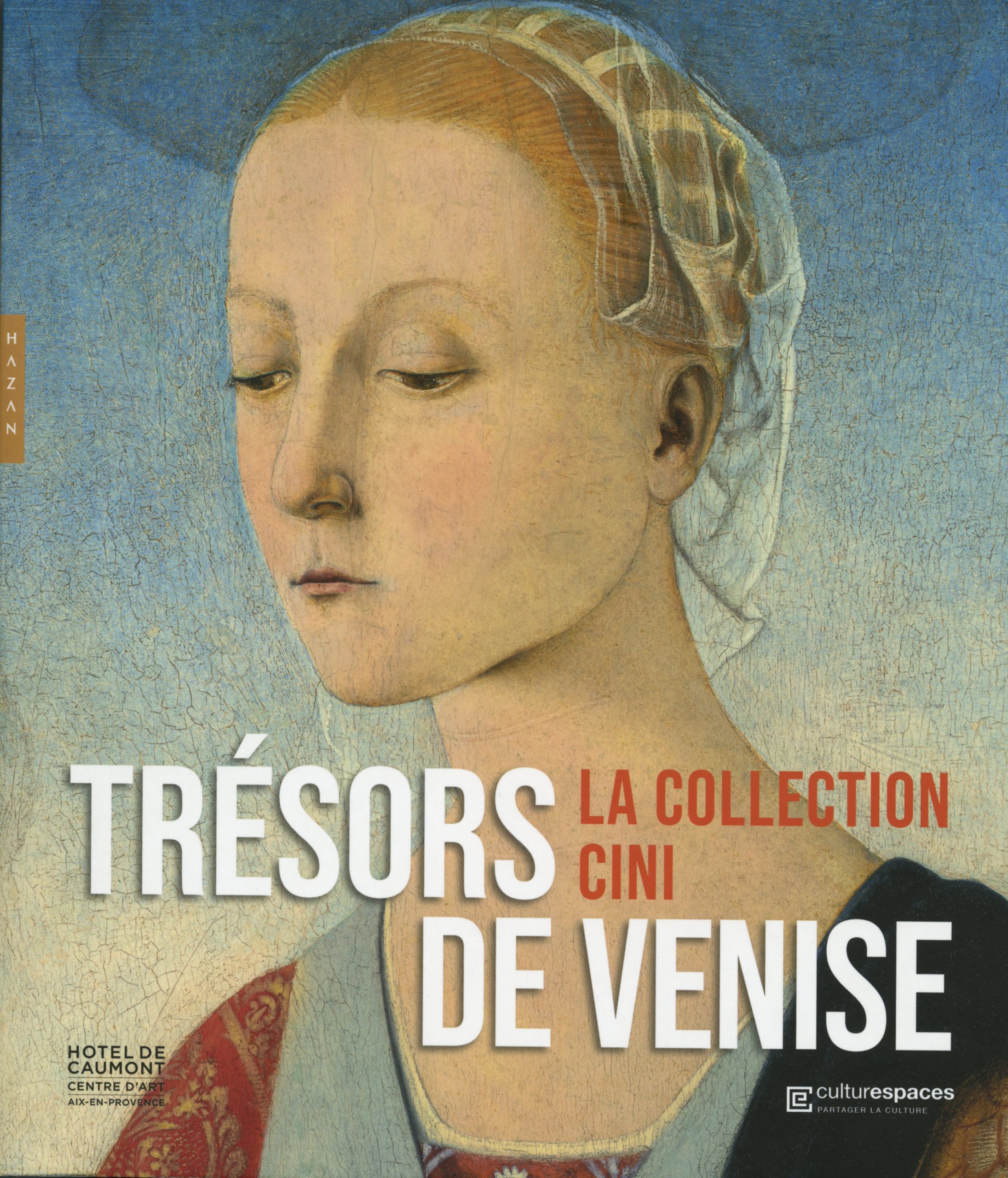
Trésors de Venise. La collection Cini

In 2021 the Fondazione Giorgio Cini celebrated its seventieth anniversary with a series of events dedicated to its founder, Vittorio Cini. His collections and role as a patron of the arts, a “humanist and philanthropist”, were the subject of the exhibition Trésors de Venise. La Collection Cini (19 November 2021 – 27 March 2022), jointly organised by the Foundation and the Parisien cultural institution Culturespaces at the Hôtel de Cau- mont-Centre d’Art, an 18th-century hôtel particulier in Aix-en-Provence. The exhibition featured a highly varied array of ninety-five works: paintings (including masterpieces from the Palazzo Cini Gallery by artists such as Lippi, Botticelli, Fra Angelico, Piero di Cosimo and Pontormo), sculptures, objets d’art, drawings, prints, miniatures, illuminated manuscripts and illustrated books. The exhibition explored Vittorio Cini’s taste and very diverse interests and influences while reconstructing the social and cultural background to his collecting.

In essays by Luca Massimo Barbero, Daniela Ferretti, Alessandro Martoni and Maurizio Reberschak, this catalogue published by Hazan charts the stages in his long life and his successful career as an entrepreneur in 20th-century Italy. It then focuses on his role from the 1930s to the 1960s

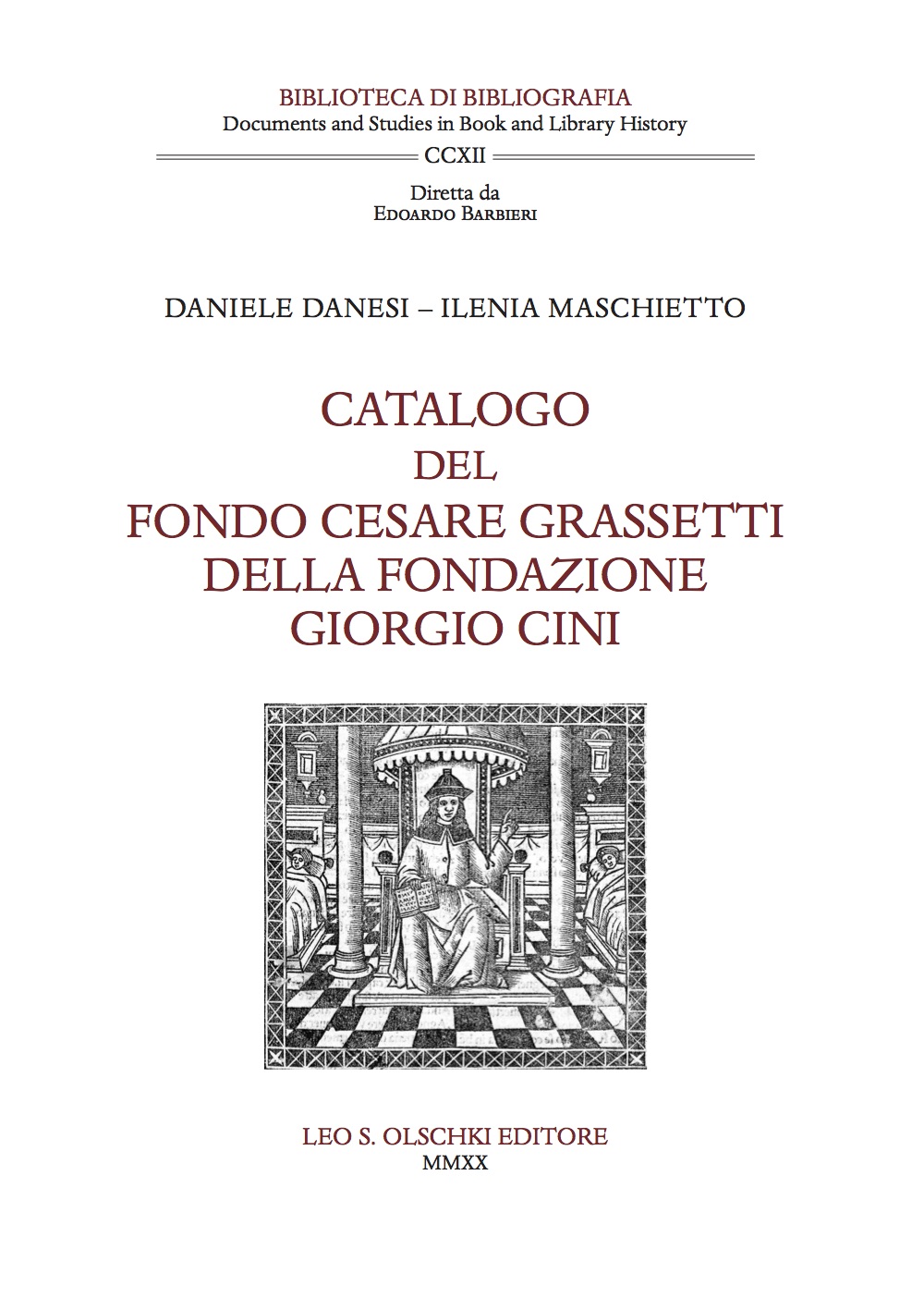
Catalogo del fondo Cesare Grassetti della Fondazione Giorgio Cini

Catalogo del fondo Cesare Grassetti della Fondazione Giorgio Cini

Edited by D. Danesi and I. Maschietto
Leo S. Olschki, Florence, 2020


Following on from the Catalogo del fondo librario antico della Fondazione Giorgio Cini compiled by Dennis E. Rhodes and published by Olschki in 2011, the Catalogo del fondo Cesare Grassetti della Fondazione Giorgio Cini has been published in the same series, entitled “Biblio- teca di Bibliografia”. Put together by the Milanese lawyer Cesare Grassetti from the 1950s to the late 1980s, the collection consists of over 830 15th- and 16th-century editions, already included in the library’s electronic catalogue. Working for this printed catalogue, however, enabled the authors to examine the books in greater depth, with a special focus on the data relating to specific copies. The Grassetti Collection fits in well with the Foundation’s “original” collection, enhancing not only the section of Venetian editions (the library has a remarkable group of them), but also the productions from minor printing centres, thus increasing the number of unique exemplars preserved on San Giorgio.