Fondazione Giorgio Cini, Venice Archives - Fondazione Giorgio Cini

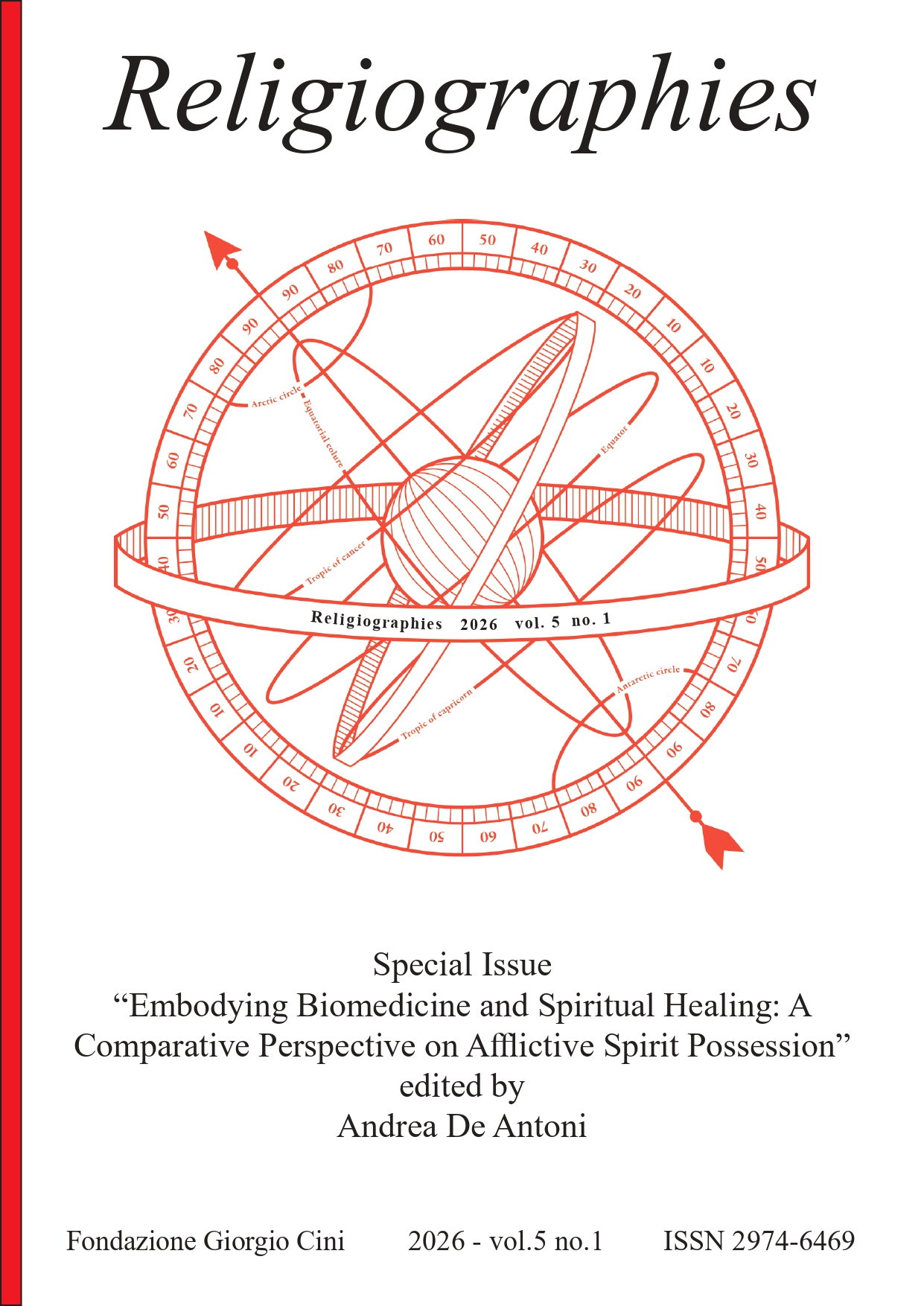
Religiographies vol.5 n.1

Open-access and peer-reviewed journal, curated by the Centre for Comparative Studies of Civilisations and Spiritualities at the Fondazione Giorgio Cini.

Religiographies is dedicated to the study of religious phenomena, fostering an interdisciplinary dialogue among historians, sociologists, anthropologists, philosophers, and psychologists. Mysticism, esotericism, and spirituality are the three main themes of the journal, which are explored within their historical and cultural contexts, challenging traditional categories of religion. The heterographie section, dedicated to artistic and visual works, expands the understanding of the phenomena discussed.

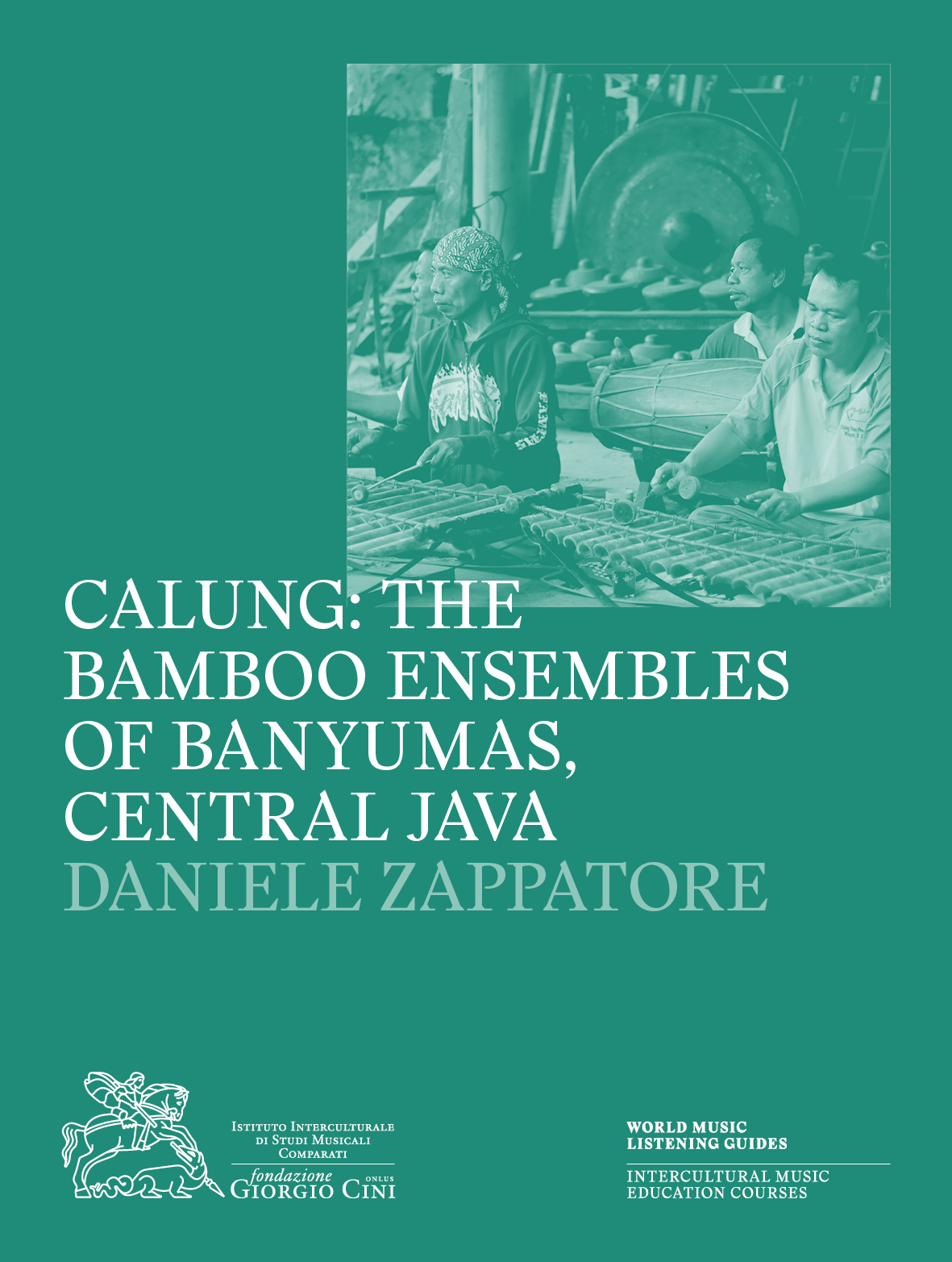
Calung: the Bamboo Ensembles of Banyumas (Central Java)

Fifth edition of the editorial series World Music Listening Guides. Intercultural Music Education Courses, the guide Calung: the Bamboo Ensembles of Banyumas (Central Java), created by Daniele Zappatore, is devoted to the music of Javanese calung ensembles of tuned percussion instruments. The audiovisual materials it presents were collected during the event Music and dance from the borders of Java. Calung-Lénggér Banyumasan, organised by the IISMC in 2024. With the aim of situating the practice of calung music within the broader panorama of Javanese arts, the contents are organised to highlight the distinctive features of this musical tradition – from its close connection with the ritual dance lénggér to a description of the principles that guide its lively and dynamic performance practice. From a perspective that recognises how musical knowledge is grounded in technical and material expertise, the description of the roles of the various instruments in the ensemble is accompanied by a short video documentary – based on field materials collected by the author – which illustrates the processes of constructing and tuning the bamboo instruments. The roles and functions of the instruments in a calung ensemble are illustrated in an first multimedia animation, which demonstrates the musical principles underlying performance through the integration of video and transcriptions in Javanese cipher notation (kepatihan). Two further video animations explore the performance techniques that characterise the sound of the gambang xylophones, the main melodic instruments of the ensemble: through video and real-time transcriptions, they present the workings of rhythmic-melodic interlocking (imbal) and the advanced techniques of melodic ornamentation (gambangan and onelan) on the two xylophones.

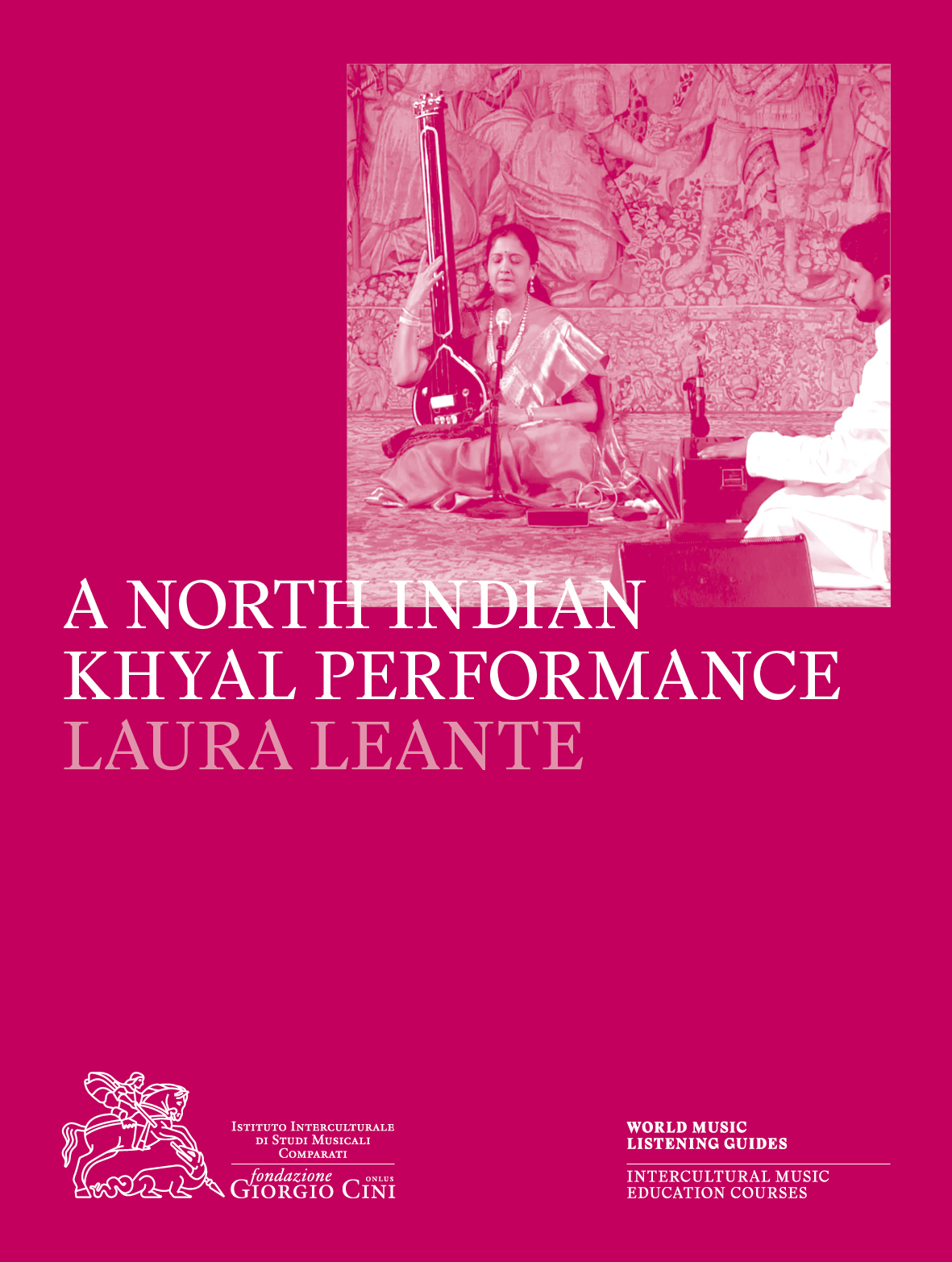
A North Indian Khyal Performance

Fourth edition of the editorial series World Music Listening Guides. Intercultural Music Education Courses, the guide A North Indian Khyal Performance, created by Laura Leante, is dedicated to Hindustani khyal singing and to the music that accompanies its performance. The audiovisual materials presented here were recorded during the event Indian Music with Manjiri Asanare Kelkar: Khyal Singing, organised by the IISMC in 2023. The event featured the internationally renowned khyal singer Manjiri Asanare Kelkar, accompanied by two highly experienced musicians: Nitin Ware on tabla and Dnyaneshwar Sonawane on harmonium. The performance was documented by Simone Tarsitani using a multi-camera setup, synchronised audio recordings, and photographic footage. These materials were later reworked into multimedia animations, forming the core of this guide. Trained by her father, the distinguished tabla player Anand Asanare, by the refined Jaipur gharana exponent Madhusudan Kanetkar, and finally by the celebrated vocalist Kishori Amonkar, Manjiri combines a profound knowledge of the khyal repertoire with rare musical sensitivity and remarkable technical precision. Her melodious voice and creative originality make her one of today’s foremost interpreters of khyal. In order to illustrate the complexity of a khyal performance, the materials are organised to present, step by step, the main features of Hindustani khyal music and singing, starting from its theoretical foundations. After an overview of the historical development of this courtly genre and an introduction to the instruments that make up the ensemble, a series of graphic animations introduces some of the key elements of Hindustani musical theory: scale degrees (svara), melodic structures (raga), and rhythmic cycles (tala). Understanding these concepts is essential to grasp the choices made by musicians as they organise and shape the musical material during performance. Using the rendition of a particular raga as reference, the video animations show how the different members of the ensemble contribute collectively to the unfolding of the piece, highlighting the interdependence between the voice, melodic instruments, and rhythmic parts. Particular attention is devoted to the essential dimension of khyal – the vocal one. Through a series of animations, the melodic development is illustrated, along with the crucial role played by the relationship between text and music in shaping the interpretative decisions that give form to the performance.

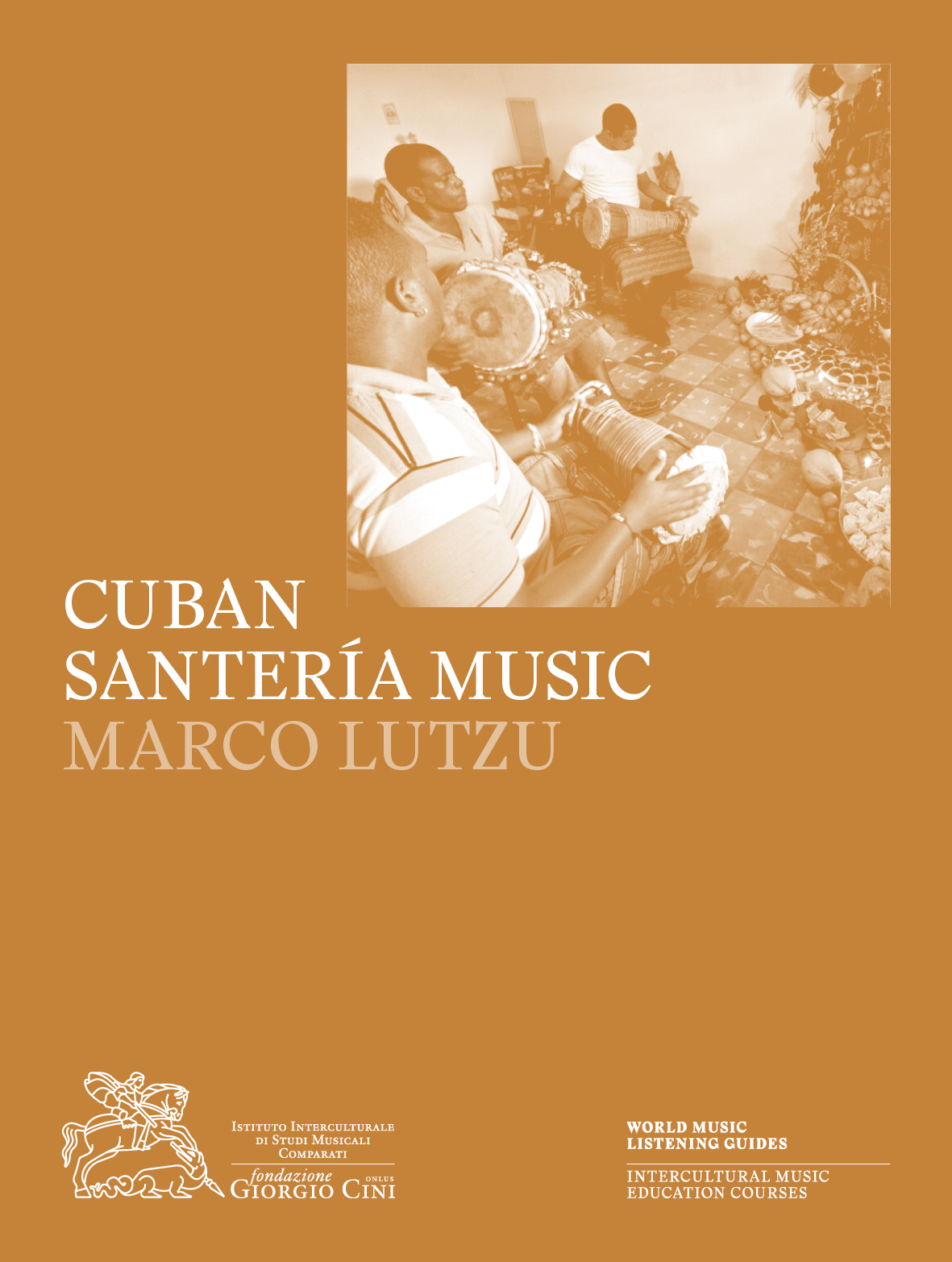
Cuban Santería Music

Third edition of the editorial series World Music Listening Guides. Intercultural Music Education Courses, the guide Cuban Santería Music, created by Marco Lutzu, explores the role of the rhythms of the batá drums in ceremonies for invoking the orichas, the deities of the Santería religion. The audiovisual materials presented in these pages come from recordings made during the event Batá drums in the Cuban Santería, organised by the IISMC in 2016 as part of the series Music and rites, and are supplemented by additional recordings and images collected by the author in the field. These materials are here reorganised and presented in the form of video animations, which constitute the central element of the guide. The materials are arranged to alternate between different perspectives, offering a comprehensive overview of the religious practice, the musical instruments, and the role of music. Following an introductory section, which traces the origins and characteristics of the Afro-Cuban religion of Santería and outlines the main figures of the oricha pantheon, the batá drums immediately take centre stage: a short ethnographic video documentary illustrates the various stages of their construction and the significance they hold in religious practice. In the worship of the orichas, the rhythms of the batá drums are accompanied by singing and dancing, which play a necessary role in the ritual (Toque de santo) to invoke and call upon the deities. Two video animations respectively depict the long introductory instrumental sequence (orun seco), composed of rhythmic formulas performed on the drums and dedicated to the different orichas, and the short songs performed during the central stages of the ceremony (orun cantado). Finally, three multimedia animations analyse the intricate polyrhythmic patterns of the batá drums, describing the transitions between different formulas, the ‘conversations’ between the various instruments, and the improvisatory practice. These aspects are presented using a transcription system that allows the viewer to visualise the development of the rhythmic sequence in its various articulations.

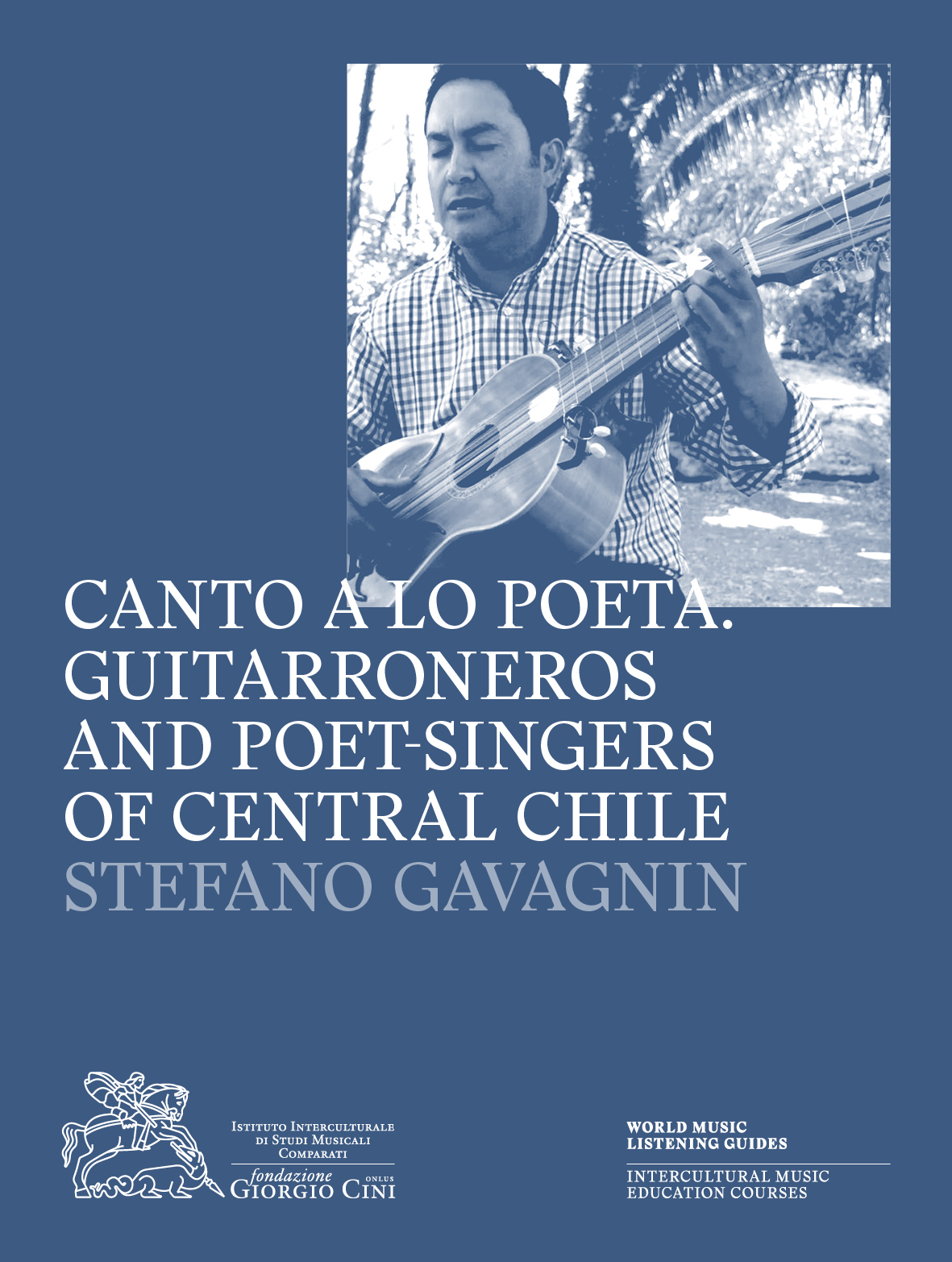
Canto a lo poeta. Guitarroneros and Poet-Singers of Central Cile

The second edition of the editorial series World Music Listening Guides. Intercultural Music Education Courses, the guide Canto a lo poeta. Guitarroneros and Singers from Central Chile, by Stefano Gavagnin, is dedicated to the vocal and instrumental repertoires of Chilean canto a lo poeta. The materials it comprises were collected during the recording for the fourth edition of Zoom in on Masters (IISMC), published online in 2021 and devoted to the guitarroneros and singers of Central Chile. Its realisation was made possible thanks to the valuable contribution and generous collaboration of the singers Erick Gil and Roberto Carreño, as well as the ethnomusicologist Claudio Mercado of the Museo Chileno de Arte Precolombino. The materials presented in this guide are organised so as to provide first a broad contextualisation of the practice of canto a lo poeta, before progressively focusing on aspects concerning the performance practice of music and sung verse. An initial distinction between the two different types of repertoire – canto a lo divino, of a religious nature, and canto a lo humano, secular and profane – is introduced through a video in which the two poet-singers, Roberto Carreño and Erick Gil Cornejo, perform a short example accompanying themselves on the characteristic Chilean guitarrón and on a guitar with specific ‘transposed’ tunings. Particular attention is given to the description of the organological features and cultural meanings associated with these instruments: in a brief video interview, Roberto Carreño discusses the roles and functions of the guitar in rural Chile, while a video animation, created from a live performance by the two musicians, illustrates the main performance techniques of instrumental accompaniment with the guitarrón and the guitarra traspuesta. As is often the case, the practice of canto a lo poeta has not remained static over time. A significant section of the guide compares traditional performance contexts with contemporary transformations.

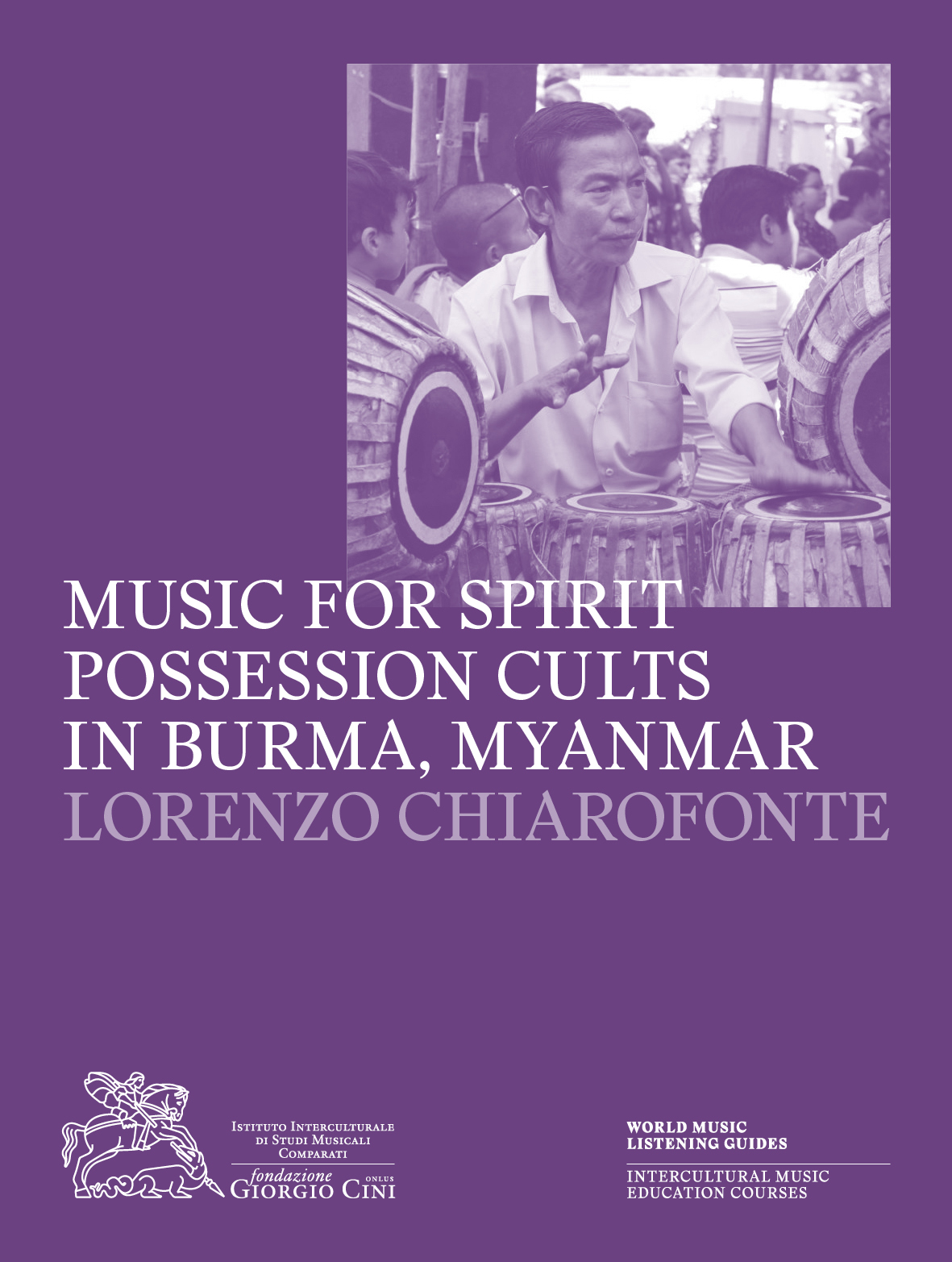
Music for Spirit Possession Cults In Burma, Myanmar

This first number of The World Music Listening Guides. Intercultural Music Education Courses, Music for Spirit Possession Cults in Burma (Myanmar), is devoted to the Burmese hsaing waing ensemble and the role it plays in the spirit possession ceremonies of the nat cult. The contents presented here derive from audiovisual materials collected during the event Nat pwe. Music and dance in spirit worship in Yangon (Myanmar), organised by the IISMC in 2017 as part of the series Music and rites, here reworked and presented in a series of multimedia animations that constitute the core of the guide. To convey the meaning that music assumes within these possession rituals, the contents are arranged to provide a general overview of the cult and its ceremonies before progressively focusing on performative aspects and the sound dimension. The interwoven, driving rhythms of the hsaing waing – an ensemble made up of gongs, tuned drums, oboes and voices, described here through fieldwork images collected by the author – generate the energy that sustains the possession dances of the nat kadaw (mediums), facilitating communication with the spirits. The interaction between the action of the instruments, the movements of the medium, and the participation of the audience is illustrated in an animation that reconstructs the unfolding of the different phases of the possession of the famous Brothers of Taungbyone, highlighting the ritual sequence of invocation, dance, entertainment, and the spirits’ dismissal. A specific section is devoted to the song ‘Shwe Byone Maung’, part of the repertoire of nat thachin (‘songs for the spirits’), in which a video animation highlights the various sections and musical structure of the piece. Finally, particular attention is given to the rhythmic interplay between the two main drums of the ensemble: the pat waing, a circle of drums that leads the performance, and the pat ma, a large suspended drum. Their interaction, one of the most distinctive features of this tradition, is analysed through a combination of diagrams, musical transcriptions, and video animations that demonstrate in detail how the dialogue between the two instruments shapes and energises the performance.
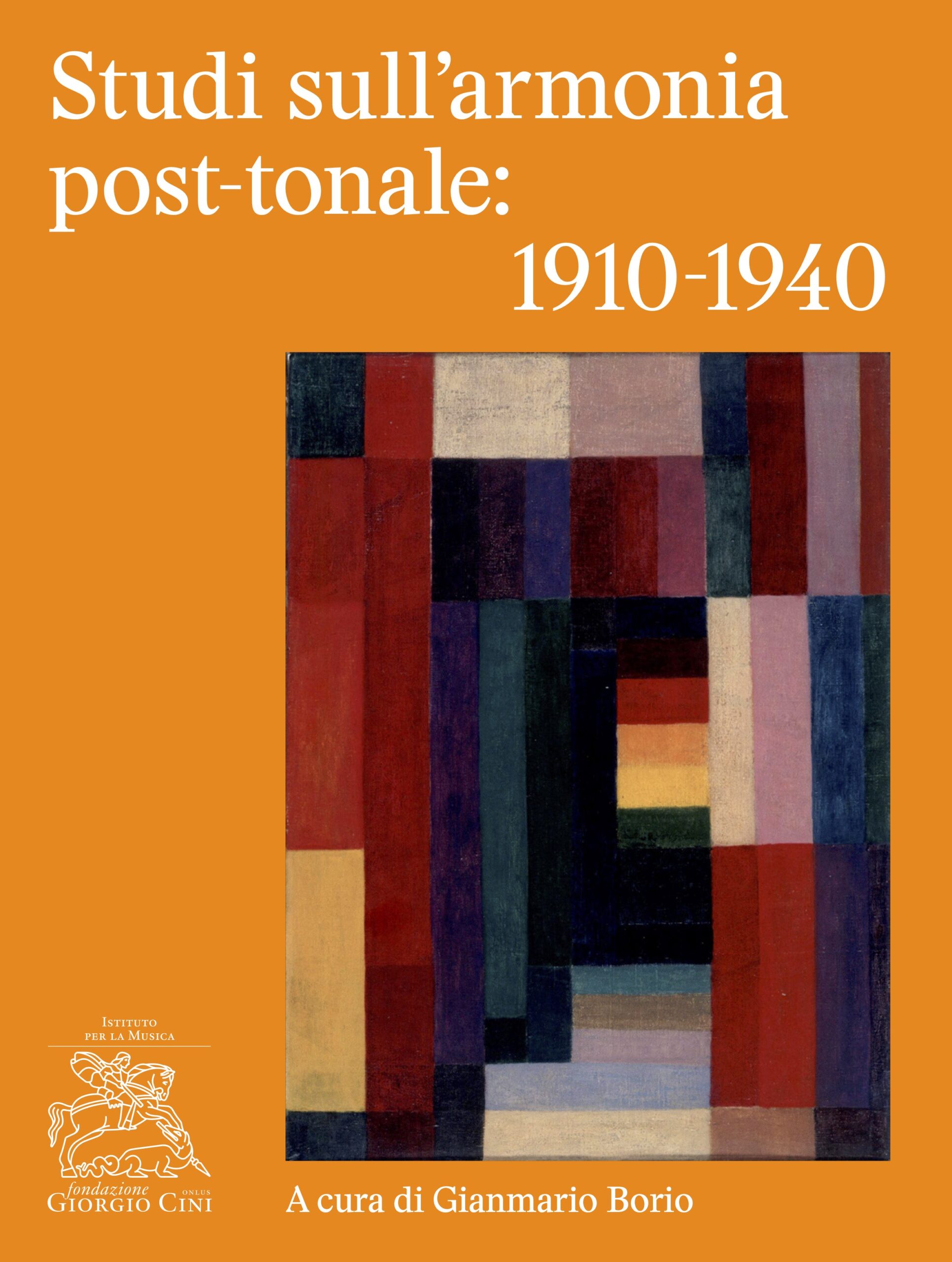
Studi sull’armonia post-tonale: 1910-1940

This volume, arising from the three-year work of a research group funded by the Ernst von Siemens-Musikstiftung, consists of monographic studies on the conception of harmony in the works of Béla Bartók, Claude Debussy, Paul Hindemith, Arnold Schoenberg, Aleksandr Nikolaevič Scriabin, Igor Stravinsky, Edgard Varèse and Anton Webern. The authors focus their attention on one or more works by the composer under consideration, relating harmonic processes to the theoretical issues debated at the time or emerging in the subsequent decades. The structure takes particular account of current developments in international musicology, of the gaps present in Italian scholarship, and of the needs of higher-level teaching in AFAM and university institutions. At the same time, it aims to contribute to contemporary reflection on, and methodology in, music theory. The editor’s introductory essay illustrates the historical methodology adopted in the book: the harmonic techniques of the individual composers are placed within the theoretical horizon of their time and, in certain cases, elucidated in the light of the composers’ own reflections.

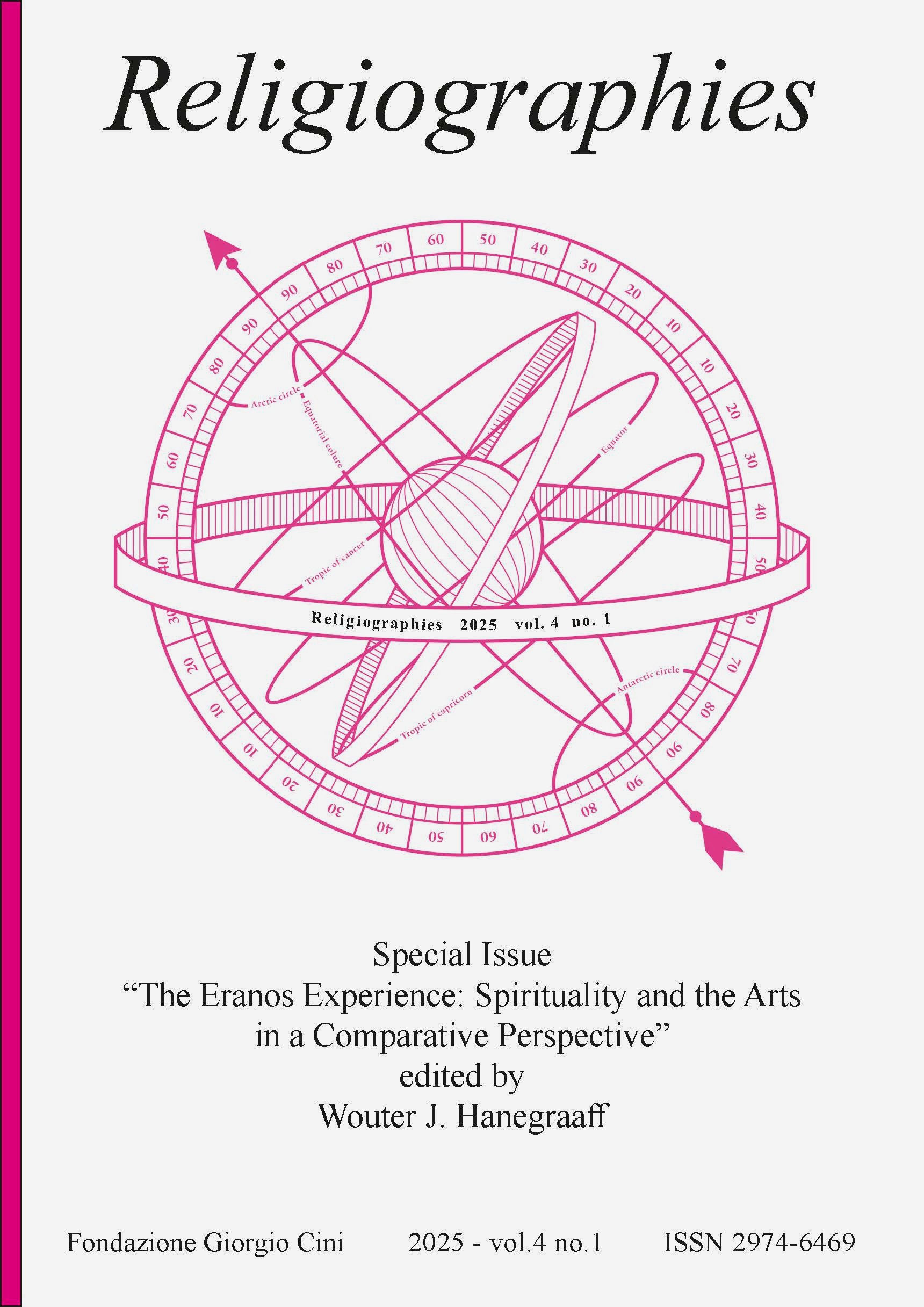
Religiographies, vol.4 n.1

Open-access and peer-reviewed journal, curated by the Centre for Comparative Studies of Civilisations and Spiritualities at the Fondazione Giorgio Cini. With an interdisciplinary approach, Religiographies fosters dialogue between historians, sociologists, anthropologists, philosophers, and psychologists on three main themes: mysticism, esotericism, and spirituality.

This issue of Religiographies offers an excursus into the legacy of Eranos: the series of encounters held in Ascona starting in 1933 that brought together some of the most stimulating minds of the time, organised by the Dutch activist, painter and researcher Olga Fröbe-Kapteyn on the inspiration of Rudolf Otto and Carl Gustav Jung. The articles explore the influence of the meetings on the social sciences, humanities, performing and visual arts, in particular music, dance, theatre and painting.

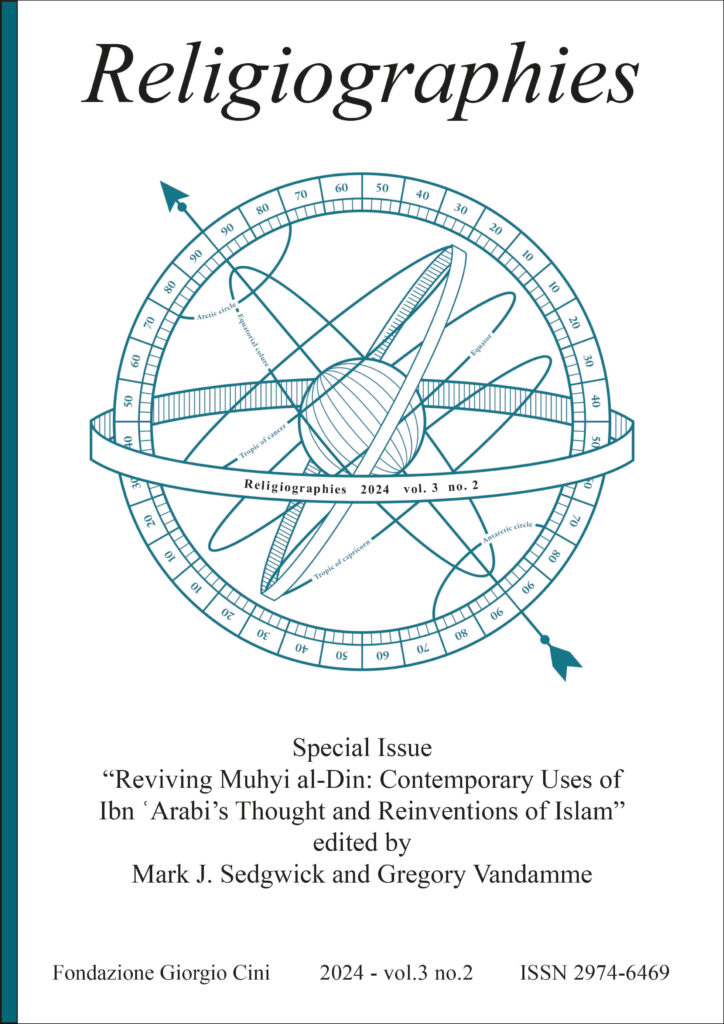
Religiographies vol.3 n.2

Open-access and peer-reviewed journal, curated by the Centre for Comparative Studies of Civilisations and Spiritualities at the Fondazione Giorgio Cini. With an interdisciplinary approach, Religiographies fosters dialogue between historians, sociologists, anthropologists, philosophers, and psychologists on three main themes: mysticism, esotericism, and spirituality.


This special issue of Religiographies aims to explore and analyse contemporary cases of the use of Muḥyiddīn Ibn ʿArabi’s (d. 1240) thought and to shed light on the motivations, dynamics and methods behind his interpretations. In order to improve the understanding and variety of the claims and to distinguish between the common links and the peculiarities of those cases, we would like to answer several questions, including: Which concepts of Ibn ʿArabi are most commonly used to address contemporary issues? How have they changed over the centuries? What aspects of Ibn ʿArabi’s paradoxical thought are emphasised or, on the contrary, downplayed by new exegetes? How is Ibn ʿArabi’s thought integrated or not into the broader spectrum of the Islamic intellectual tradition?

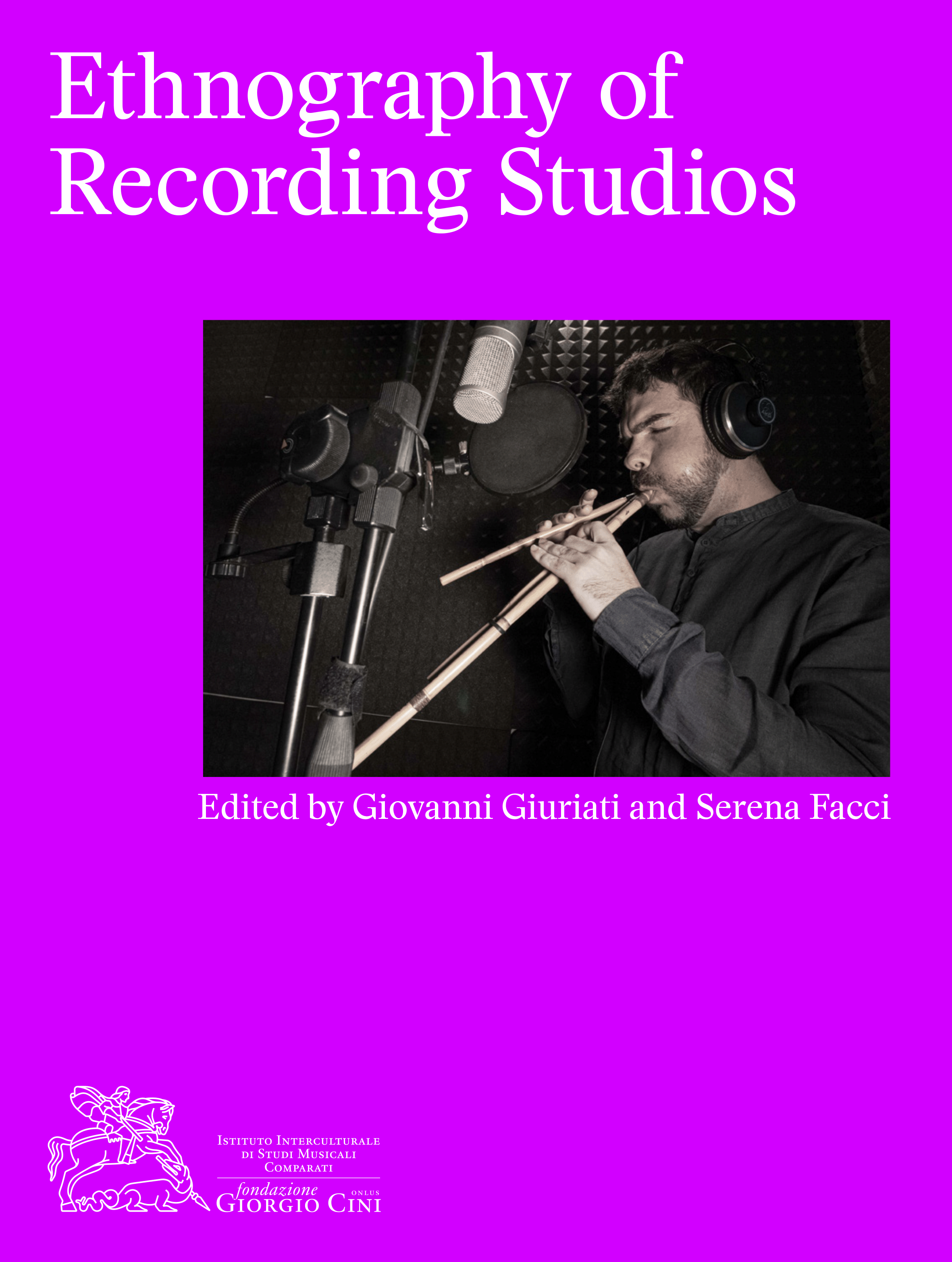
Ethnography of Recording Studios

This volume, the fourth in a series of online publications that the Intercultural Institute of Comparative Music Studies promotes from its international ethnomusicology seminars, stems from the three-year work of a research group funded by the Ernst von Siemens-Musikstiftung and consists of a series of monographic studies on the conception of harmony in Béla Bartók, Claude Debussy, Paul Hindemith, Arnold Schönberg, Alexander Nikolayevich Scriabin, Igor Stravinsky, Edgar Varèse and Anton Webern. The authors focus their attention on one or more works by the composer of reference, relating the harmonic processes to the theoretical issues debated at the time or that emerged in subsequent decades. The approach takes particular account of current developments in international musicology, the gaps in Italian studies and the needs of higher education in AFAM and university venues. At the same time, it aims to make a contribution to the reflection and methodology of music theory in our times.


Learn more